下次不知道 什么时候回来 现在谁还爬山呀 爸
“when you'll be back next time. Who goes hiking nowadays, Dad?”
THE DIALOGUE REEL
你再一走
“I don't know”
下次 不知道 什么时候回来 现在 谁还爬山呀 爸
“when you'll be back next time. Who goes hiking nowadays, Dad?”
“We can take a cable car. What are you talking about?”
“I do not want to hike, and your ideas are out of touch.”
Older Chinese parents often cherish traditional outdoor exercise like morning hill climbing, whereas modern younger adults view it as exhausting and outdated.
LEARNING CHUNKS & PARTICLES
who knows when next time will be
Commonly used to emphasize uncertainty about a future reunion or occasion.
who even does this nowadays
A rhetorical phrase used to brush off an outdated habit or suggestion.
Softens the rhetorical question to avoid sounding overly aggressive toward an elder.
VOCABULARY & EXPRESSIONS
Parallel Spoken Cinema Scenes (语义近邻切片)

“Do you know when will he be back?”

“Who knows when she'll be back next time.”

“not sure when she'll be back.”
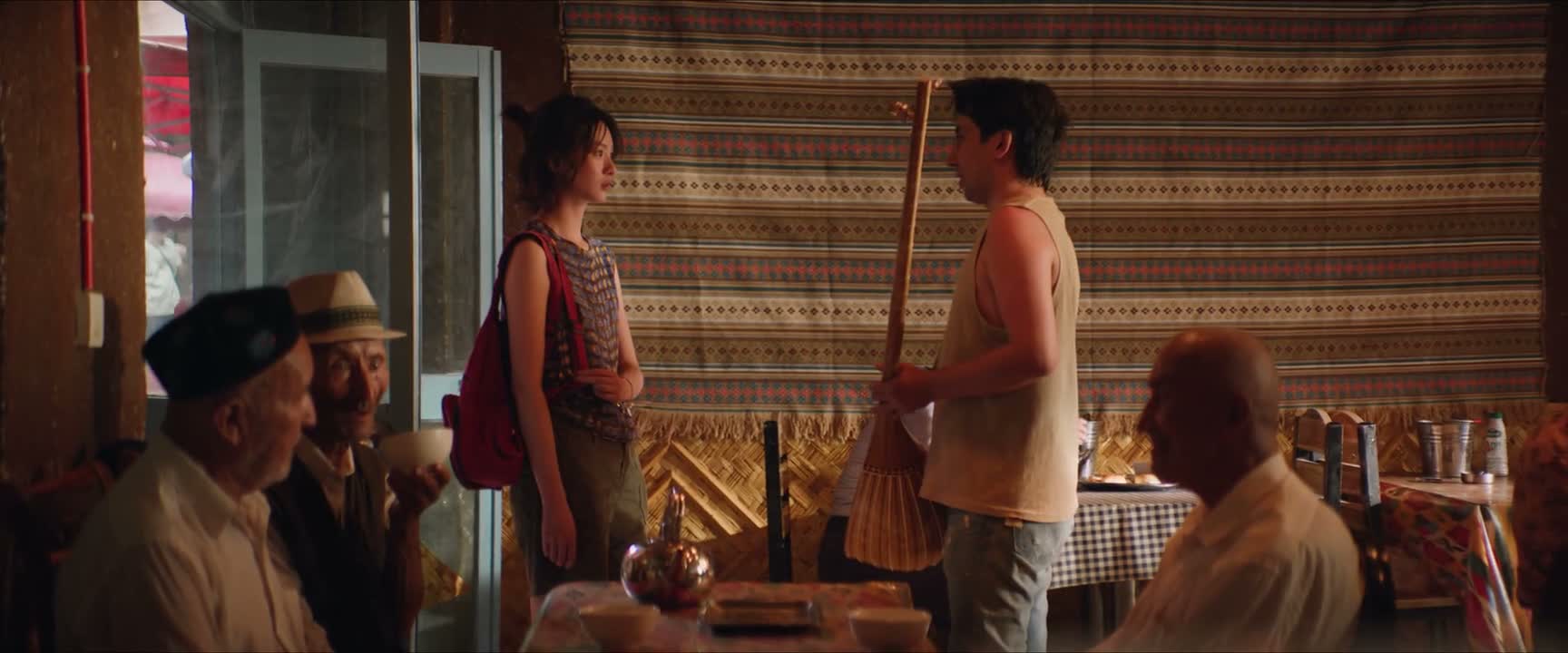
“I don't know when he'll be back.”

“I don’t know when I’ll be back.”

“It's not certain yet when he'll be back.”