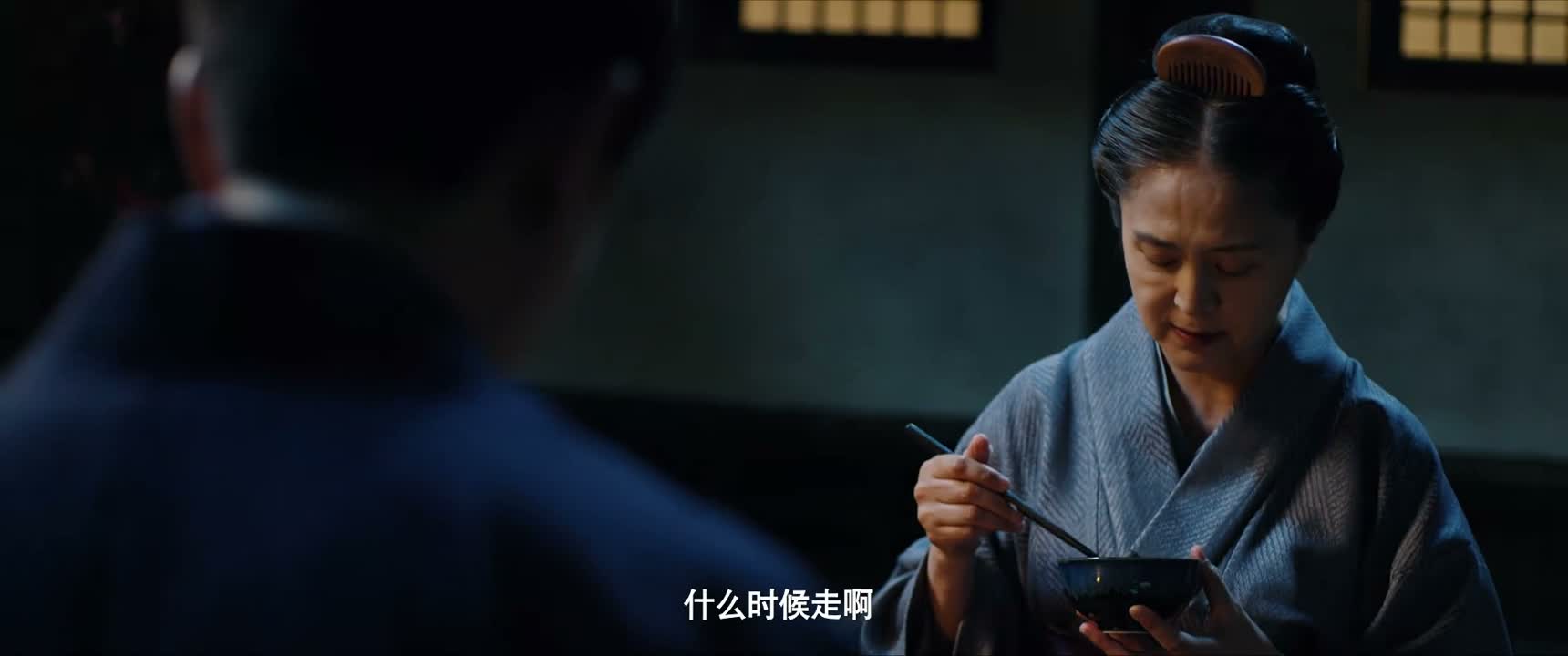
《Pursuit of Jade》 S1·E10 (34:18)
HSK 5
nǐ zǎo wǎn yào zǒu de
你早晚要走的
“You're going to leave sooner or later,”
《Pursuit of Jade》
S1·E10
TIMECODE: 34:18
·
1080P MASTER AUDIO
THE DIALOGUE REEL
[-1] PREVIOUS TURN
jiě fū néng tì sǔn sǔn gēn wǒ lā gōu ma
姐夫能替隼隼跟我拉钩吗
“Can you pinky-promise me for the falcon?”
nǐ zǎo wǎn yào zǒu de
CURRENT FOCUS
你 早晚 要走的
“You're going to leave sooner or later,”
[+1] FOLLOW-UP TURN
duì ma
对吗
“aren't you?”
Subtitles synced to millisecond timecode
Browse Show Clips →
Scene:
Family & Home
Function:
SEEKING CONFIRMATION
Tone:
RESIGNED AND VULNERABLE
Emotion:
SADNESS
WHAT THEY REALLY MEAN (PRAGMATIC SUBTEXT)
“No matter how nice you are now, you won't stay forever, so why make promises?”
💡 Cultural Insight: Emotional Restraint around Impending Separation
Chinese speakers, especially younger dependents, often articulate painful truths bluntly ('早晚要走的') as a protective defense mechanism against the pain of future separation.
INTENT TAGS:
#insecurity
#seeking_truth
#resignation
#fear_of_loss
🧩
1 CHUNKS · 1 PARTICLES
LEARNING CHUNKS & PARTICLES
早晚
SPOKEN CHUNK
sooner or later
Used before a verb phrase to indicate that an event is completely inevitable in due time.
Modal Particle「的」 (de)
CHANGE OF STATE
Placed at the end of the clause to assert certainty and confirm an inevitable outcome.
🏮
1 EXPR · 0 GRAMMAR
VOCABULARY & EXPRESSIONS
COLLOQUIAL EXPRESSIONS:
CROSS-CINEMA CORPUS BOARD · PARALLEL SCENES
EXPLORE BY SEMANTIC SIMILARITY
Parallel Spoken Cinema Scenes (语义近邻切片)


《Pursuit of Jade》 S1·E10 (34:18) · Authentic Cinema Dialogue Corpus