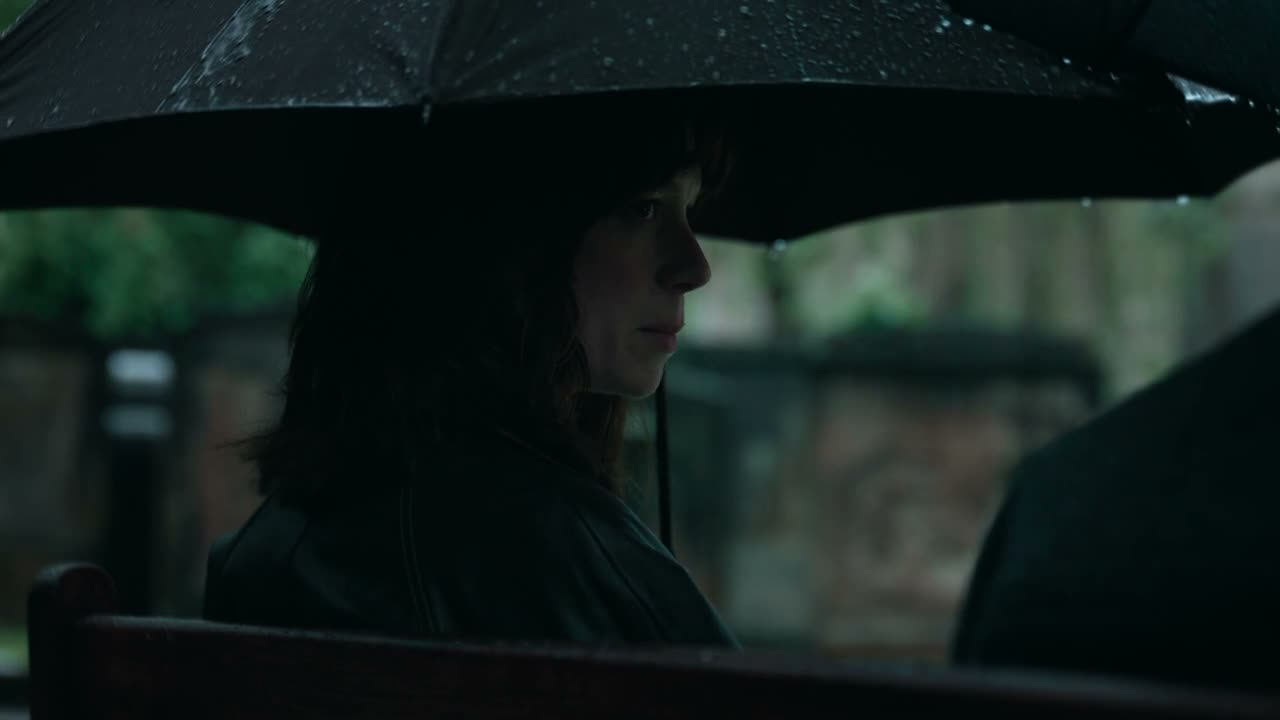
《How Dare You!?》 S1·E7 (28:06)
HSK 1
zán shì bú shì pǎo tí le
咱是不是跑题了
“aren't we getting off topic?”
《How Dare You!?》
S1·E7
TIMECODE: 28:06
·
1080P MASTER AUDIO
THE DIALOGUE REEL
[-1] PREVIOUS TURN
kě shì èr wèi
可是二位
“But gentlemen,”
zán shì bú shì pǎo tí le
CURRENT FOCUS
咱 是不是 跑题 了
“aren't we getting off topic?”
[+1] FOLLOW-UP TURN
zhè tiān xià yóu hé rén lái guǎn yào zěn me guǎn
这天下由何人来管 要怎么管
“Who should govern this country and how it should be governed—”
Subtitles synced to millisecond timecode
Browse Show Clips →
Scene:
Workplace
Function:
REDIRECTING TOPIC
Tone:
HEDGING
Emotion:
MILD_ANNOYANCE
WHAT THEY REALLY MEAN (PRAGMATIC SUBTEXT)
“You two are arguing about something completely irrelevant, please stop.”
💡 Cultural Insight: Hedging to Preserve Face
By framing the interruption as a collaborative rhetorical question using 'we' rather than 'you', Chinese speakers avoid making interlocutors lose face during disagreements.
INTENT TAGS:
#topic_shift
#hedging
#diplomatic_intervention
#polite_critique
🧩
2 CHUNKS · 1 PARTICLES
LEARNING CHUNKS & PARTICLES
是不是
SPOKEN CHUNK
isn't it; wouldn't you say
A classic softening tag question used to offer criticism or an observation without sounding confrontational.
跑题
SPOKEN CHUNK
to stray off topic; to digress
Commonly used in school essays, academic debates, and workplace meetings to call out irrelevance.
Modal Particle「了」 (le)
CHANGE OF STATE
Marks the current status of having deviated from the main point.
🏮
2 EXPR · 1 GRAMMAR
VOCABULARY & EXPRESSIONS
COLLOQUIAL EXPRESSIONS:
GRAMMAR BLUEPRINTS:
CROSS-CINEMA CORPUS BOARD · PARALLEL SCENES
EXPLORE BY SEMANTIC SIMILARITY
Parallel Spoken Cinema Scenes (语义近邻切片)
《How Dare You!?》 S1·E7 (28:06) · Authentic Cinema Dialogue Corpus