怎么大家把骨殖瓮放在这儿之后 就走了呢
“Why are everyone leaving after placing their bone urns here?”
THE DIALOGUE REEL
这些人都是干吗的呀
“what are these people doing?”
怎么 大家把骨殖瓮放 在这 儿之后 就走了呢
“Why are everyone leaving after placing their bone urns here?”
不是应该去洗骨吗
“Aren't they supposed to go wash the bones?”
Direct spoken expression in this communicative setting.
In parts of Southern China and Southeast Asia, traditional secondary burial rituals involve exhuming the remains, cleaning the bones ('洗骨'), and placing them into funerary urns ('骨殖瓮').
LEARNING CHUNKS & PARTICLES
cinerary urn / ossuary jar
A specific cultural and anthropological term for jars used in secondary burials to store cleaned bones.
right after doing... then...
A temporal connective structure showing immediate subsequent action.
Softens the rhetorical or bewildered question, highlighting the speaker's genuine perplexity.
VOCABULARY & EXPRESSIONS
Parallel Spoken Cinema Scenes (语义近邻切片)
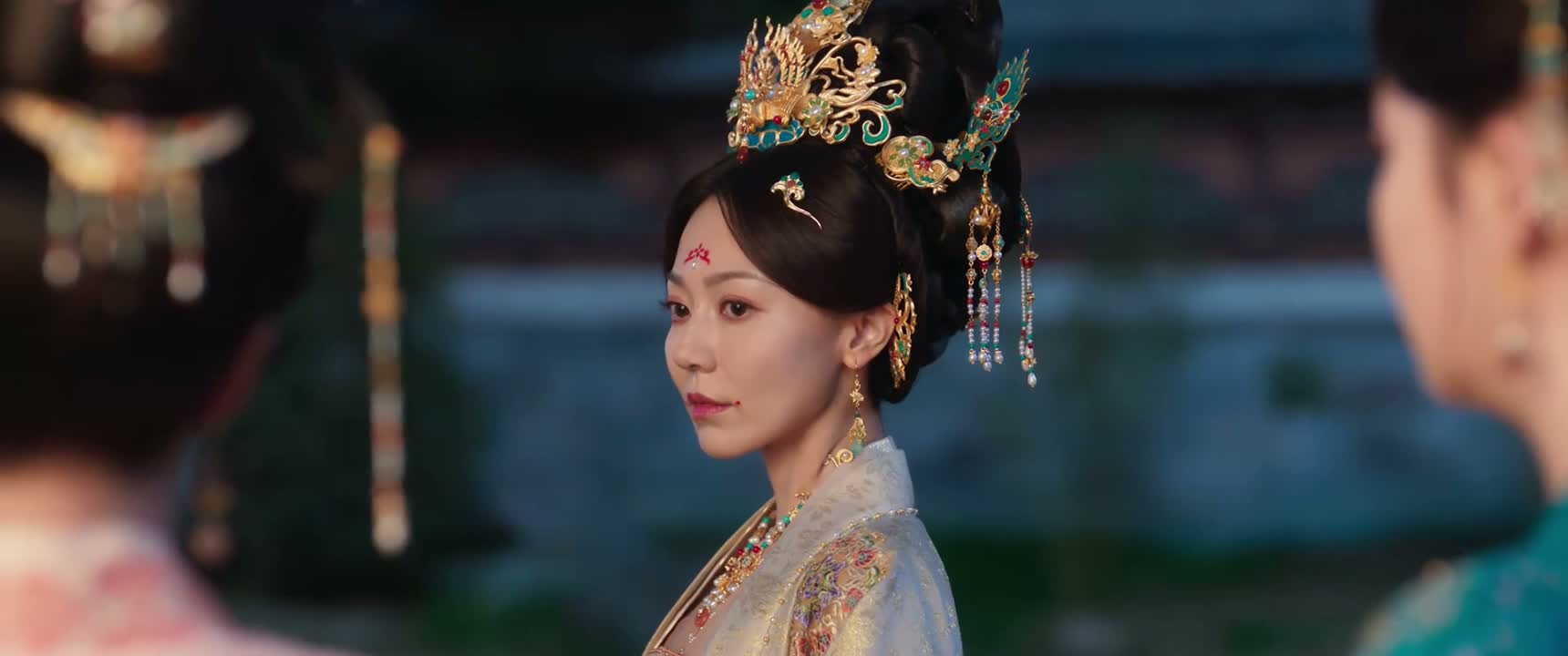
“the rest of the deceased's remains should still be in the pond”
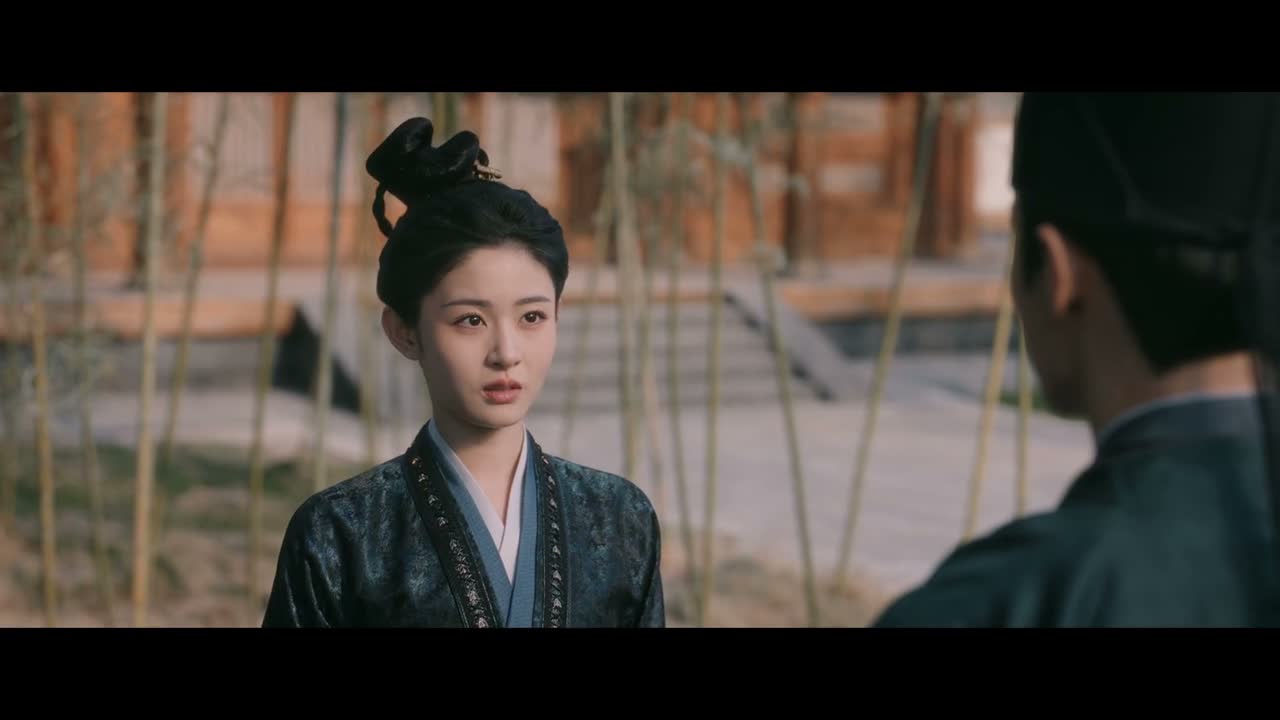
“Why are you moving corpses here?”

“This house is always running out of stuff.”

“Who is the jar and who is the turtle”

“the corpse should have floated in a few days.”

“They mean to trap us like rats. Report!”