就走了
jiù zǒu leCommon spoken expression used by native Chinese speakers in daily life.
[Scene: 社交聚会]
(7 clips) 00:03
 00:02
 00:02
 00:02
 00:03
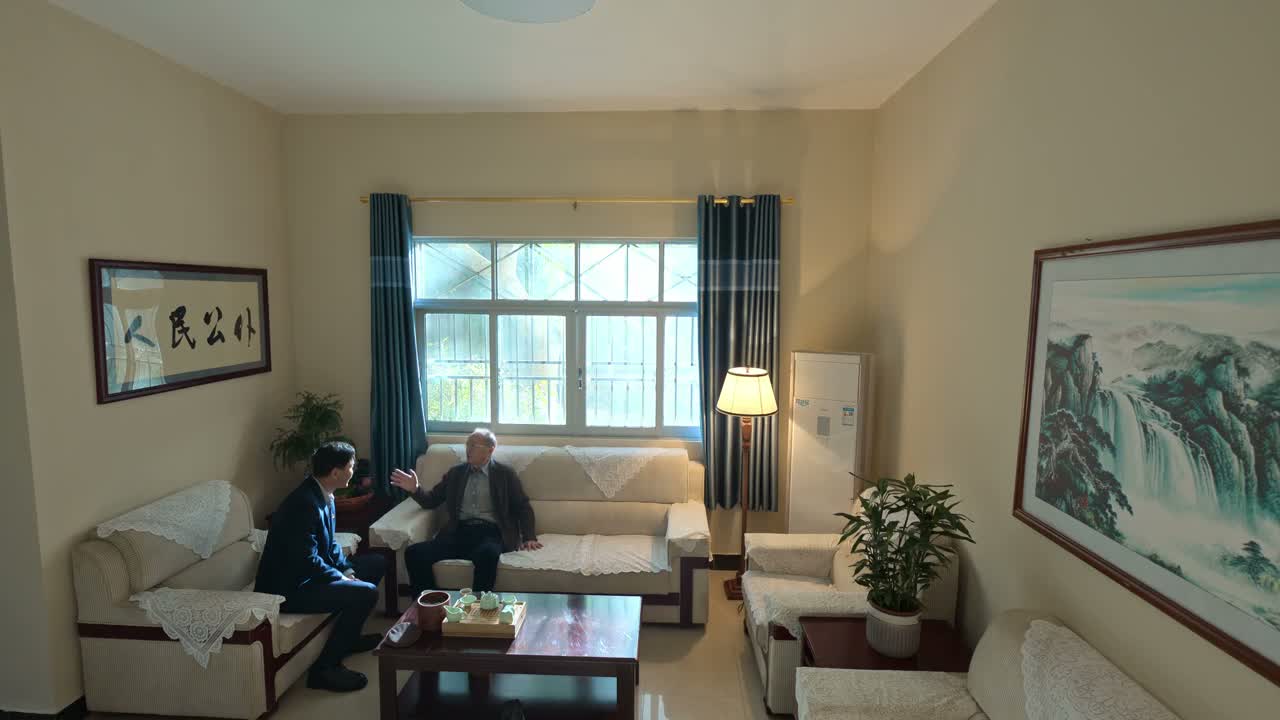
(就一个小时 我就跟他待了一个小时 真的) ── Previous context
“I left right after. Nothing happened. Rest assured.”
 00:02
 00:02
[Scene: 其他场景]
(6 clips) 00:02
 00:02
 00:02
 00:03
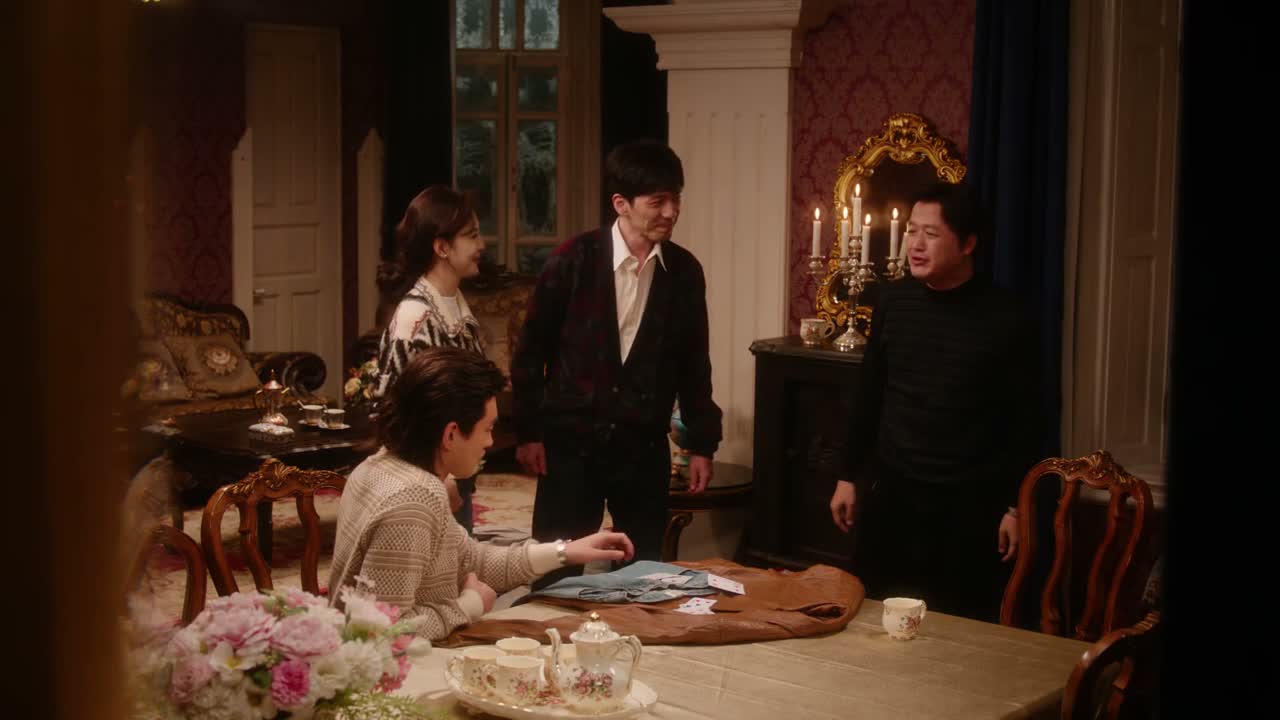
(碰到了我) ── Previous context
“That person stayed at our home for a couple of days, then left without a word.”
 00:02
 00:02
(那早就记挂着要回去 有不少人哪) ── Previous context
“just up and left without so much as a word.”
[Scene: 职场工作]
(6 clips) 00:03
(明天都到厂里上班了啊 好) ── Previous context
“Then, Ms. Lin, I won't trouble you further. I'm leaving. - Bye. - Bye.”
 00:03
(怎么可能) ── Previous context
“If it were true, he'd take me long ago, and would not wait until now.”
 00:03
(这会儿不认了) ── Previous context
“We'll handle this seriously. - We'll be going. - Okay, okay.”
 00:03
(他就剩一个人了) ── Previous context
“Mentor, are you leaving so soon? I'll be waiting for you here.”
 00:03
(人家大笔一挥嘛 就开始签 解春来) ── Previous context
“As soon as he finished writing his name, they just tore up the paper and left.”
 00:03
(就让你开电影院吧 对吧 书记 有地方) ── Previous context
“I was just about to tell you, but then that old lady came in and I left.”
[Scene: 家庭日常]
(5 clips) 00:02
 00:02
 00:02
 00:02
 00:02
[Scene: 其他场景]
(4 clips) 00:03
 00:03
(你不更应该对我和我妈好一点吗) ── Previous context
“That day, you left my house after throwing a tantrum. I didn't say anything about it. I even apologized to you.”
 00:03
(怎么可能有日本人呀 云旗洋行来了几个朋友) ── Previous context
“They're just chatting about something. They'll leave soon. No, I have to go see.”
 00:02
(这些人都是干吗的呀) ── Previous context
“Why are everyone leaving after placing their bone urns here?”
[Scene: 警匪刑侦]
(2 clips) 00:02
(咱要大规模搜索的话 这也太打草惊蛇了) ── Previous context
“They'll definitely run as soon as they catch wind of it.”
 00:02
[Scene: 其他场景]
(1 clips) 00:02
(丁志波怎么不住那病房了 去哪了 他早出院了) ── Previous context
“He left on the day of the accident. Where did he go?”
📌 你说你
→Nuance: 同义表达不打招呼就走
📌 你说你
→Nuance: 核心意图与句式完全一致
📌 别生气了
→Nuance: 同为劝慰平息怒气的表达
📌 没事
→Nuance: 同为劝慰平息怒气的表达
📌 走走走
→Nuance: 同向近义词根配对: [我们 ↔ 咱们]
📌 没几句
→Nuance: 同样表达话没多说就离开
📌 在家
→Nuance: 核心表述暂住不久便离去
📌 我先走了
→Nuance: 同向近义词根配对: [如果 ↔ 要是]