说不定哪天就走了
“Who knows when I'll be gone?”
THE DIALOGUE REEL
爸妈又走得早 我又这么大年纪了
“His parents passed away early. I'm getting old myself.”
说不定 哪天 就走了
“Who knows when I'll be gone?”
所以
“So,”
“I don't have much time left, so don't make me wait or worry.”
In Chinese culture, directly uttering 'die' (死) in casual conversation is often considered taboo or ominous, so people commonly use 'leave' (走) as a gentle euphemism.
LEARNING CHUNKS & PARTICLES
perhaps; maybe; who knows
Use this spoken adverb to express uncertainty or hypothesize about possible future occurrences.
one of these days; some day
A colloquial way to refer to an unspecified future date.
Indicates a potential change of state, reinforcing the transition from life to death.
VOCABULARY & EXPRESSIONS
Parallel Spoken Cinema Scenes (语义近邻切片)

“I didn't expect to leave tomorrow”

“doesn't have many days left.”

“he'd leave sooner or later.”

“But when on earth can I walk?”
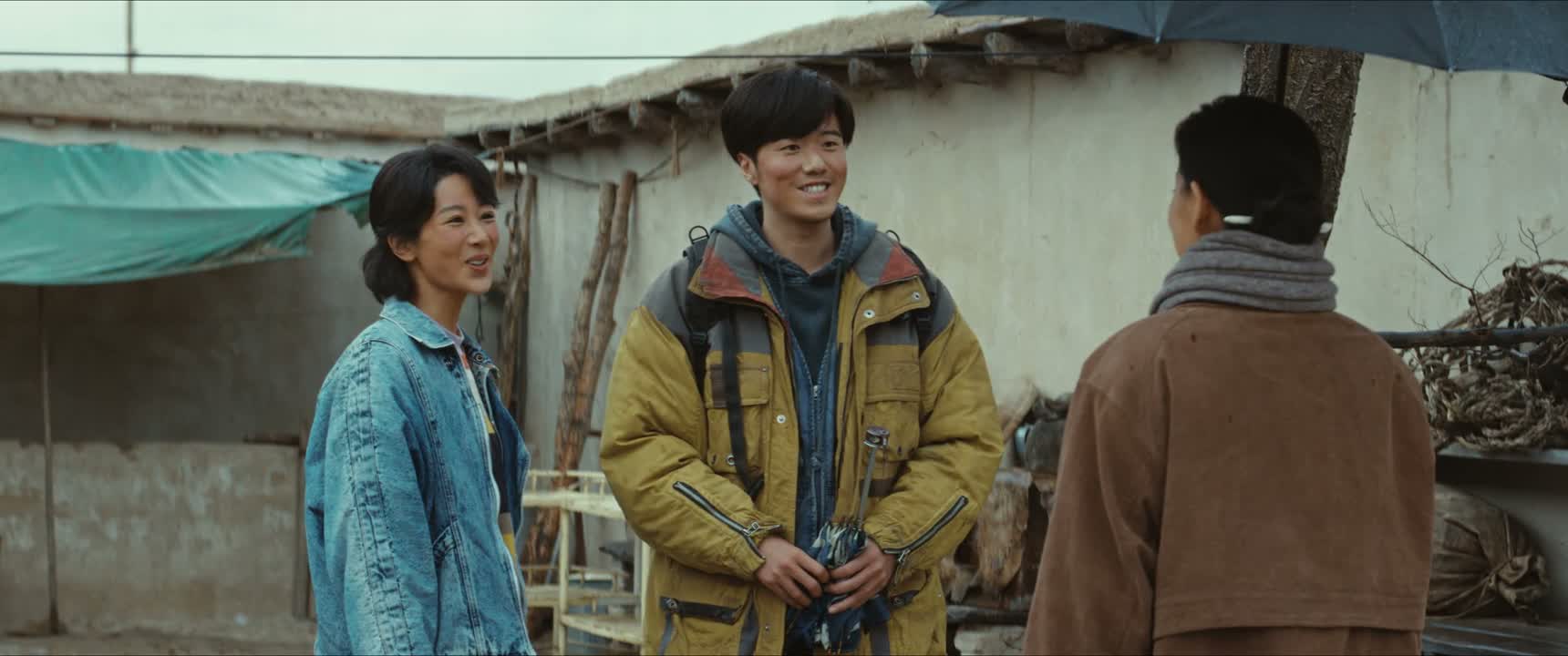
“And he's leaving now. No wonder.”

“we might have to leave tomorrow.”