说不定
shuō bù dìngCommon spoken expression used by native Chinese speakers in daily life.
[Scene: 其他场景]
(18 clips) 00:03
(不过) ── Previous context
“Shi, I think you could give it a shot. You might actually have a chance.”
 00:03
(他不会 只抓一个顾德昭的) ── Previous context
“Perhaps the entire Gu family will be implicated.”
 00:02
 00:02
 00:02
 00:02
 00:02
 00:03
 00:02
 00:03
(就足以让人 吐出来一口血) ── Previous context
“Maybe even kill him. What are you talking about?”
 00:03
(我又没江寒声那么大的气量) ── Previous context
“I might not be able to stop myself from punching his smug face. Don't you dare.”
 00:02
(你的江教授 说不定在外面 假装晃悠了好几趟) ── Previous context
“If I stay any longer, we might actually end up fighting.”
 00:02
 00:02
(我们找条河 把她放了吧) ── Previous context
“Maybe in a few hundred years, we'll meet her again.”
 00:03
(早就应该滚出咱这西固巷) ── Previous context
“Who knows when their enemies will come looking for them.”
 00:02
 00:02
 00:02
[Scene: 其他场景]
(16 clips) 00:02
 00:02
 00:02
 00:02
 00:03
 00:02
 00:03
(希望《六州破》不要断更) ── Previous context
“or rushed to an ending. Maybe that'll move him.”
 00:02
(也是没有办法的事啊 我觉得也不一定) ── Previous context
“Maybe, with this weather, the rain will stop in a while.”
 00:03
“Maybe some rare treasures will be on display.”
 00:03
 00:02
 00:02
 00:02
 00:02
 00:02
(我要是还留在 那个工地上 等你走了以后) ── Previous context
“maybe Mr. Zhou would be interested in me.”
 00:02
(谁知道呢) ── Previous context
“Maybe after staying here for a long time, he wouldn't want to leave.”
[Scene: 家庭日常]
(3 clips) 00:02
 00:03
(没有外人打扰) ── Previous context
“Perhaps after relaxing for a while, her mind will change.”
 00:02
[Scene: 餐饮美食]
(2 clips) 00:03
(来来来 吃饭 吃饭 不要老说我们焰焰) ── Previous context
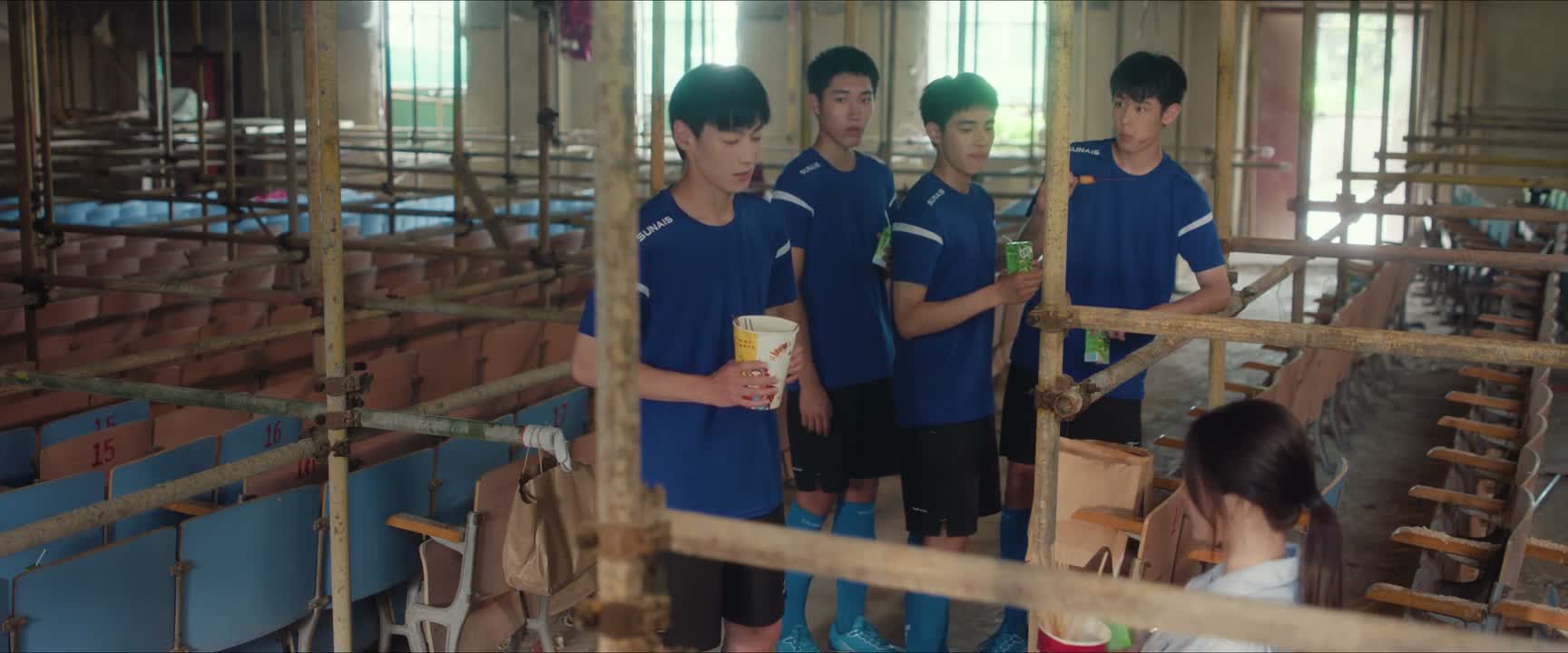
“Yan looks great. Maybe in the future, she'll become a star.”
 00:03
[Scene: 商务沟通]
(1 clips) 00:03
(老太太忘了也是有的) ── Previous context
“Take a look at the IOU. You might just remember it.”
📌 没事
→Nuance: 同为宽慰他人会好起来
📌 意外
→Nuance: 均表达可能会升职晋升
⚡ 你说你
→Contrast: 年纪不小与适合年纪小对立
⚡ 看一看
→Contrast: 极性反义对撞: [能 ↔ 不能]
⚡ 怎么办
→Contrast: 极性反义对撞: [对方 ↔ 别人]
⚡ 一个人
→Contrast: 极性反义对撞: [能 ↔ 不能]
⚡ 得了
→Contrast: 极性反义对撞: [不定 ↔ 未必]
⚡ 见义勇为
→Contrast: 极性反义对撞: [对方 ↔ 别人]
⚡ 直说
→Contrast: 提倡直说与建议委婉对立
⚡ 不知道
→Contrast: 极性反义对撞: [能 ↔ 不能]