你那天在我家发完脾气就走了 我什么都没说
“That day, you left my house after throwing a tantrum. I didn't say anything about it. I even apologized to you.”
THE DIALOGUE REEL
“don't you think you should treat my mom and me better?”
你那天在 我家 发完脾气就走了 我 什么都没说
“That day, you left my house after throwing a tantrum. I didn't say anything about it. I even apologized to you.”
“I didn't say anything about it. I even apologized to you. But look at you.”
“I tolerated your terrible behavior and kept my mouth shut, so stop acting like you are the victim here.”
In personal disputes, Chinese speakers often recount past instances where they endured humiliation or held back their temper to gain moral leverage.
LEARNING CHUNKS & PARTICLES
to lose one's temper / throw a tantrum
Used to describe an outburst of anger or irritation directed at someone.
didn't say a single thing / refrained from complaining
Often used in arguments to emphasize one's patience, tolerance, or perceived victimhood.
VOCABULARY & EXPRESSIONS
Parallel Spoken Cinema Scenes (语义近邻切片)
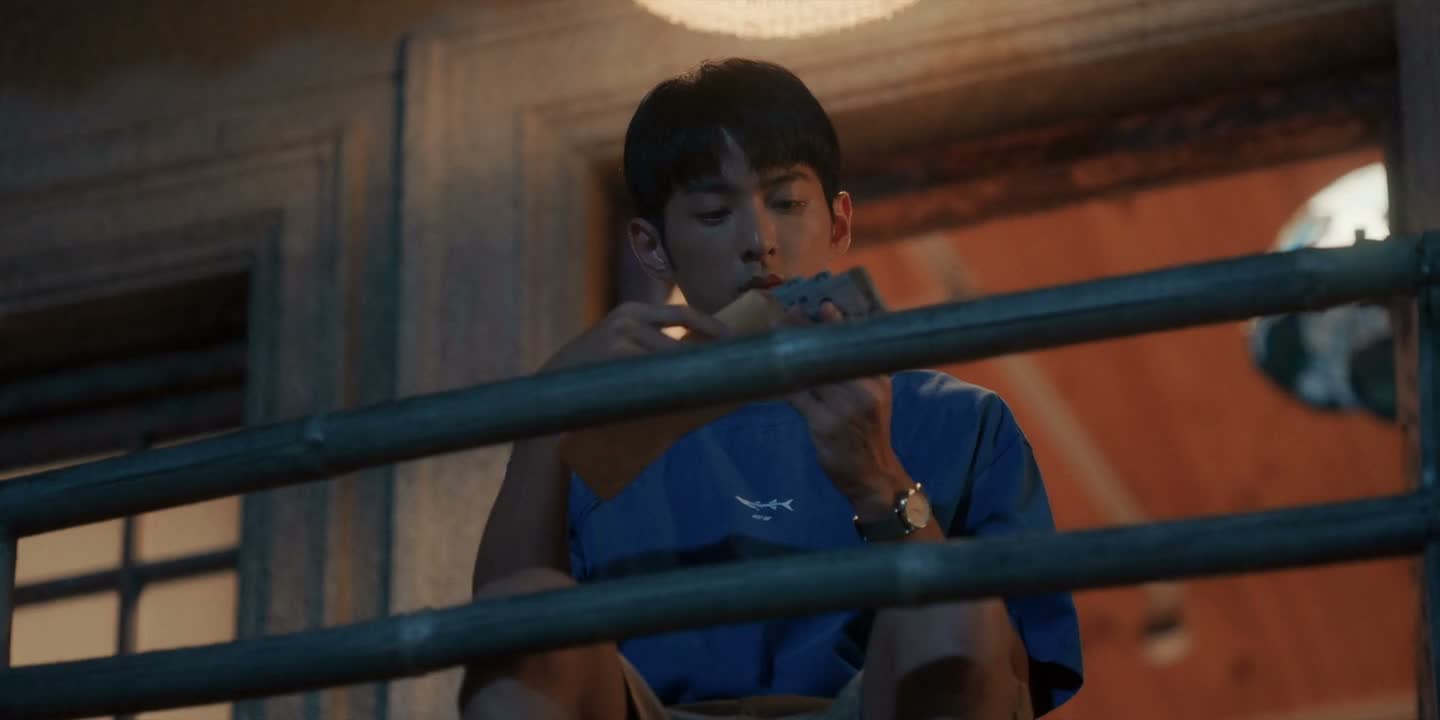
“I said everything that needed to be said.”

“No one leaves until I get an explanation.”
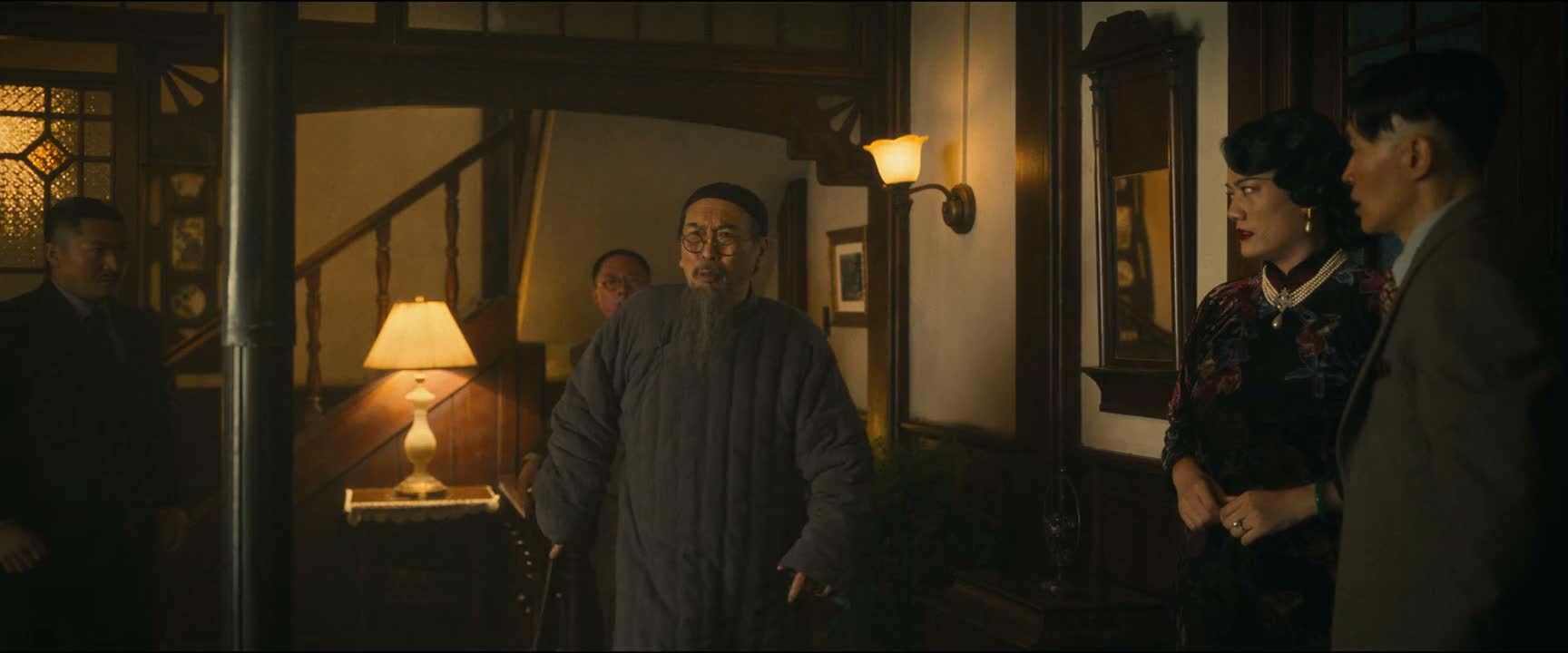
“Coming into my house and telling me to leave, reasoning with me.”

“was brought back to my house,”

“So I left in anger.”

“It's still at home. I haven't dared to touch a single cent.”