妾身自知罪无可恕
“I know my sins are unforgivable.”
THE DIALOGUE REEL
皆因妾身之过而起
“is entirely my fault.”
妾身自 知罪 无可恕
“I know my sins are unforgivable.”
无论打杀发卖
“Whatever punishment you choose— beating, killing,”
“I admit fault fully, so please show mercy instead of executing me.”
In hierarchical traditional settings, exaggerating one's own guilt and total submission is a recognized rhetorical defense to avert extreme wrath from superiors.
LEARNING CHUNKS & PARTICLES
I (humble self-address used by women/concubines in ancient China)
Encountered in historical drama dialogues when a woman addresses a husband or superior.
unforgivable crime / guilty beyond pardon
A formal idiom used to describe grave wrongdoings, often used in self-blame to plead for leniency.
VOCABULARY & EXPRESSIONS
Parallel Spoken Cinema Scenes (语义近邻切片)

“For your deep affection, I am eternally grateful.”

“Commandery Princess Consort An and I are truly fated.”

“How would I dare trouble you, Miss Qin? Just have Physician Qian prepare my medicine.”

“and you're lowering yourself to take me as a concubine,”
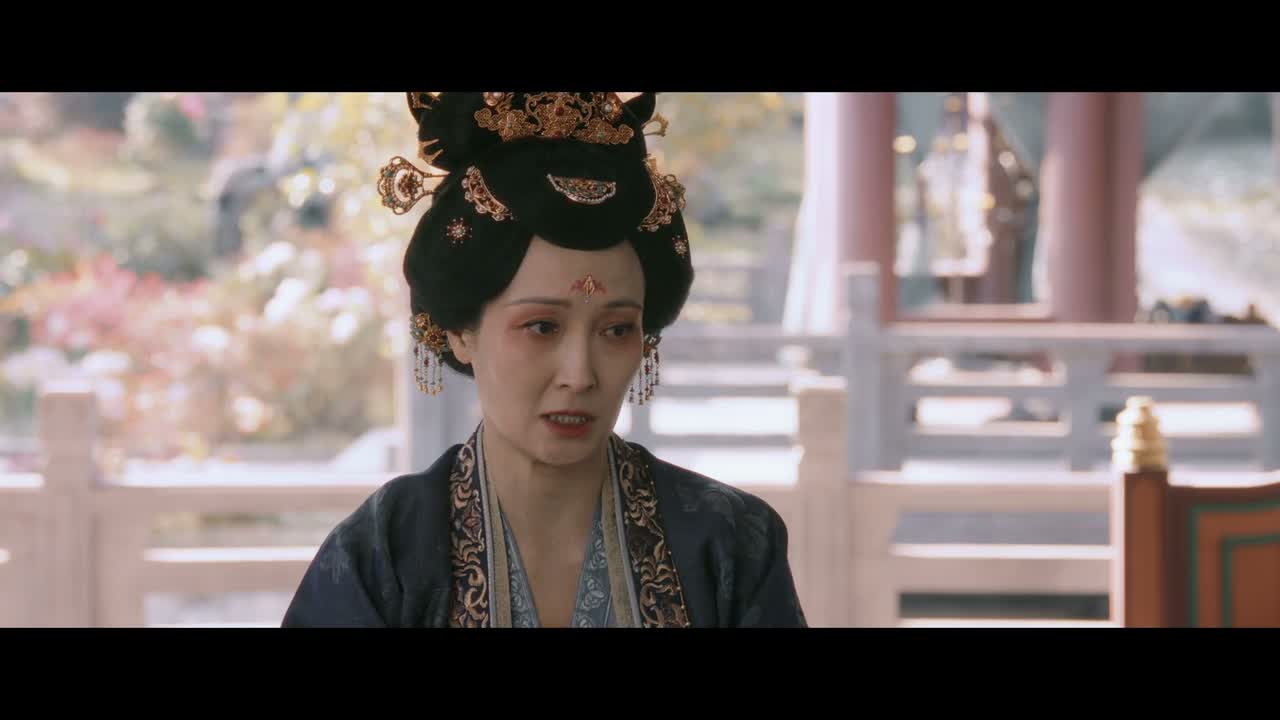
“This concubine lacks ability,”

“know our sins are heavy.”