MC
MandarinClips Cinema Corpus
《Vanished Name》 S1·E5 (31:38) HSK 5
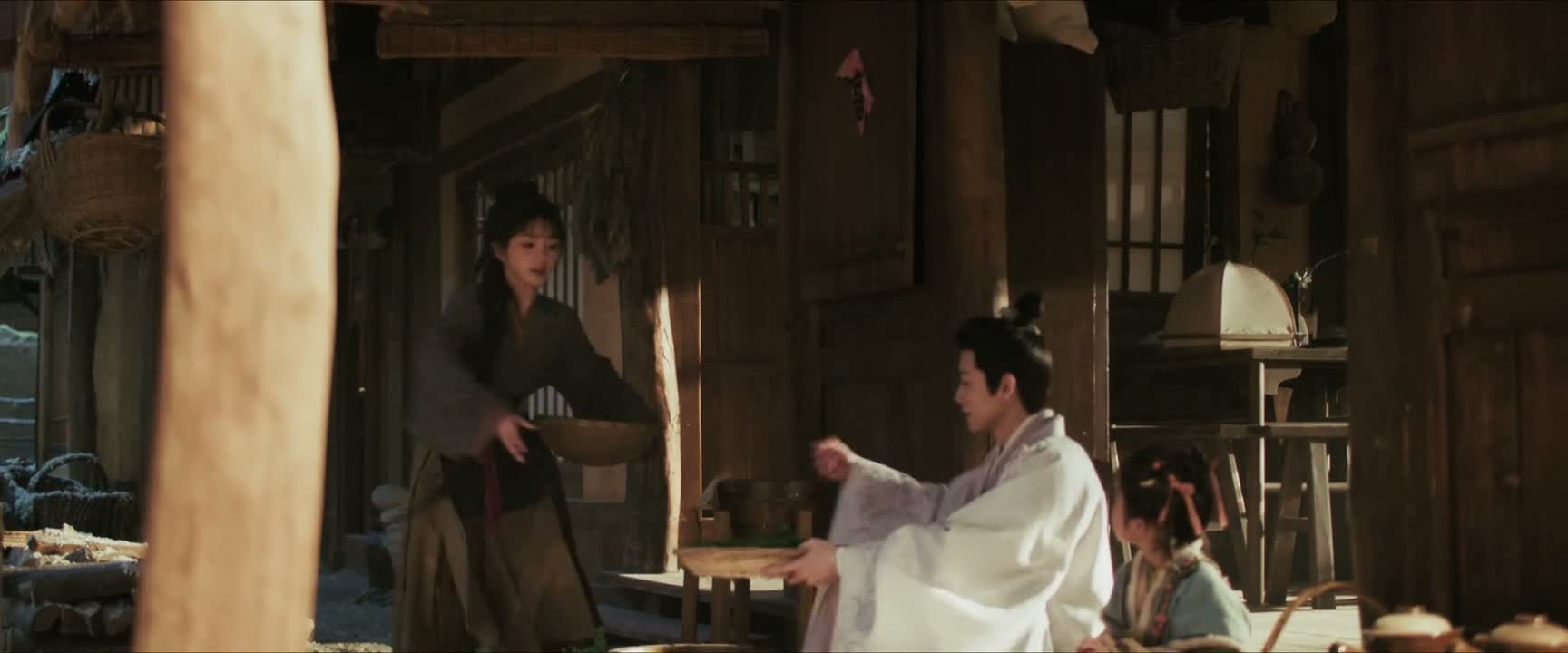
zěn me néng ràng xiǎo kè rén dòng shǒu zuò fàn ne

怎么能让小客人动手做饭呢

“How can we let our guest cook?”

《Vanished Name》 S1·E5
TIMECODE: 31:38 · 1080P MASTER AUDIO

THE DIALOGUE REEL

1+1+1 SPOKEN CONTINUITY
[-1] PREVIOUS TURN ā yí wǒ bāng xiǎo míng zuò ba méi shì zuò zhe

阿姨我帮小名做吧 没事 坐着

“Auntie, let me help her. No need. Sit down.”

zěn me néng ràng xiǎo kè rén dòng shǒu zuò fàn ne CURRENT FOCUS

怎么能 让小客人动手 做饭 呢

“How can we let our guest cook?”

[+1] FOLLOW-UP TURN dōu zuò xià jīn tiān ā yí lái zuò zhēn de ya

“All of you, sit down. I'll cook today. Really?”

Subtitles synced to millisecond timecode Browse Show Clips →
Scene: Dining & Food
Function: HOSPITABLE PROHIBITION
Tone: HOSPITABLE
Emotion: WARMTH
WHAT THEY REALLY MEAN (PRAGMATIC SUBTEXT)

Direct spoken expression in this communicative setting.

💡 Cultural Insight: Host Courtesy and Guest Treat (待客之道)

In Chinese culture, a host loses face if a guest—especially a child or junior guest—is allowed to do manual domestic work like cooking.

INTENT TAGS: #hospitality #polite_refusal #caring #nurturing
🧩

LEARNING CHUNKS & PARTICLES

2 CHUNKS · 1 PARTICLES
怎么能 SPOKEN CHUNK

how can / how could (someone do that)

A rhetorical device used to indicate that an action is culturally or morally inappropriate.

动手做饭 SPOKEN CHUNK

cook food with one's own hands

Common collocation emphasizing physical involvement in cooking.

Modal Particle「呢」 (ne) CHANGE OF STATE

Softens the rhetorical question and adds a warm, affectionate, conversational cadence.
🏮

VOCABULARY & EXPRESSIONS

2 EXPR · 1 GRAMMAR
CROSS-CINEMA CORPUS BOARD · PARALLEL SCENES

Parallel Spoken Cinema Scenes (语义近邻切片)

EXPLORE BY SEMANTIC SIMILARITY
《Vanished Name》 S1·E5 (31:38) · Authentic Cinema Dialogue Corpus