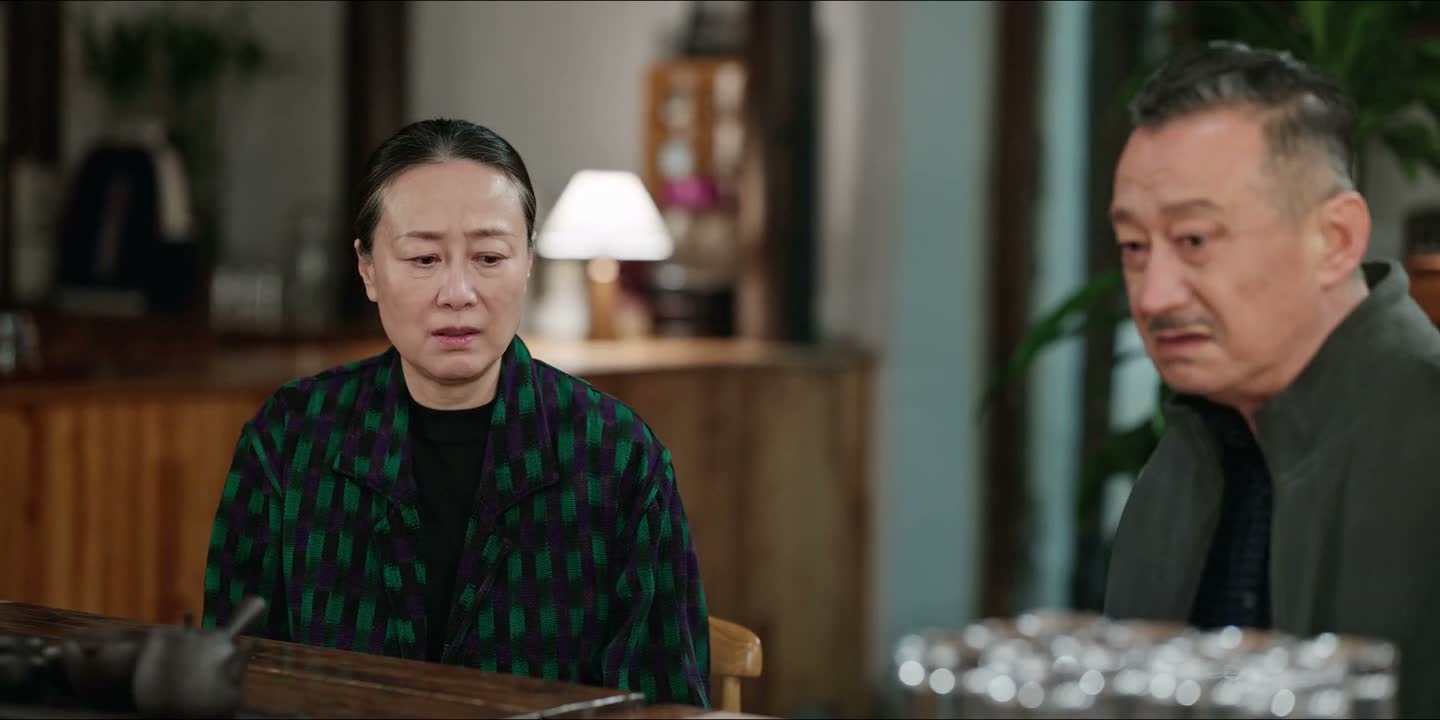
你俩之间也算民事纠纷 我有啥立场
“it is a civil dispute. What grounds do I have to ask Xiaoming to bring it out?”
THE DIALOGUE REEL
“How could I get it back? Besides, even if there really is a diary,”
你俩 之间也算民事纠纷 我 有啥立场
“it is a civil dispute. What grounds do I have to ask Xiaoming to bring it out?”
“it is a civil dispute. What grounds do I have to ask Xiaoming to bring it out?”
“This is your private business, don't drag me into the middle of your mess.”
Invoking formal terms like 'civil dispute' or questioning one's 'standing' (立场) is a common polite tactic to distance oneself from other people's drama without directly offending them.
LEARNING CHUNKS & PARTICLES
civil dispute; private disagreement
Often used colloquially to frame a conflict as private and not warranting outside authority or intervention.
what standing/position do I have (rhetorical: I have none)
A spoken rhetorical phrase used to decline involvement or disclaim authority to intervene.
VOCABULARY & EXPRESSIONS
Parallel Spoken Cinema Scenes (语义近邻切片)

“Since they couldn't reach an agreement, they'll go to court.”

“if it's strangers, that's one thing. But if it's a couple,”
“Are they still having conflicts?”
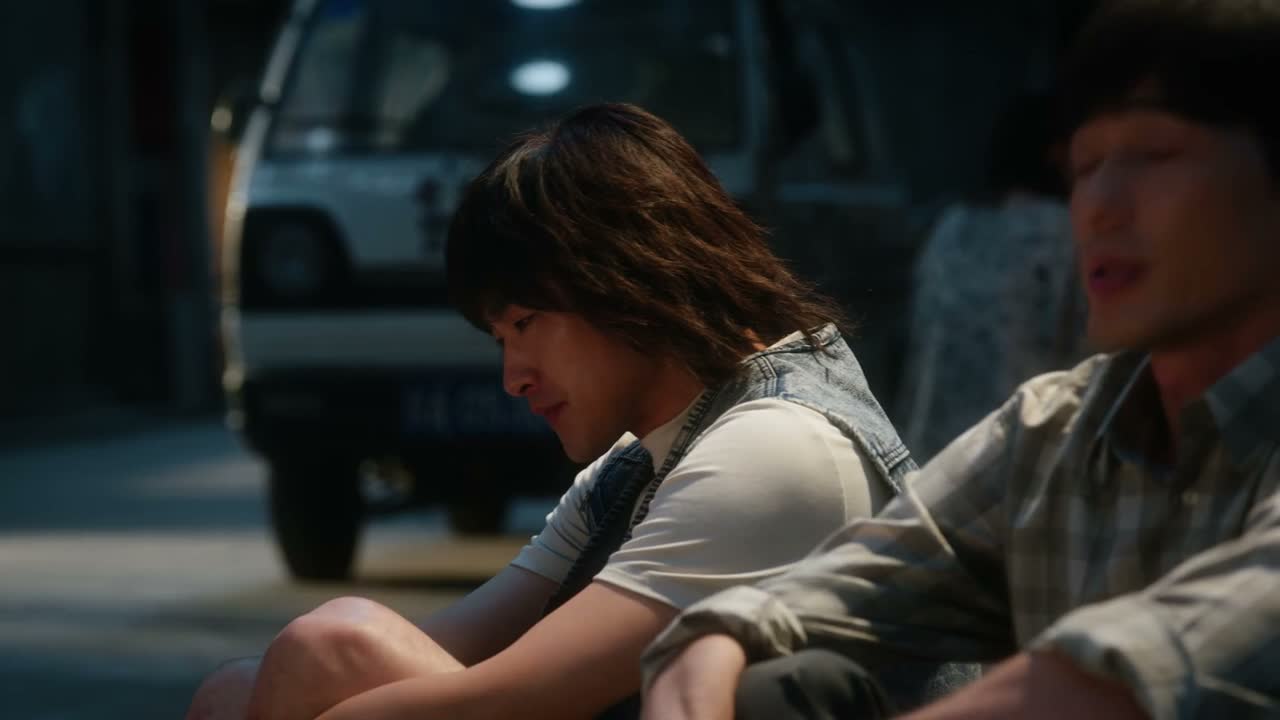
“If you two have any misunderstandings,”

“If anything had escalated, he'd know how to handle it.”

“If we go to court,”