咱四个玩得多好 啥时候能再聚一块啊
“Of course. We had such a great time together. When can we get together again?”
THE DIALOGUE REEL
咱四个玩点啥 咋的你还没玩够啊 那指定的
“What should we do for fun? What, you haven't had enough fun? Of course. We had such a great time together.”
咱四个 玩得多好 啥时候 能 再聚一块 啊
“Of course. We had such a great time together. When can we get together again?”
啥时候
“When?”
Direct spoken expression in this communicative setting.
In Chinese social life, gathering together (聚一块儿) to eat, drink, and chat is central to maintaining interpersonal closeness and reaffirming shared bonds.
LEARNING CHUNKS & PARTICLES
to gather together
A casual Northern Chinese spoken expression for friends or family getting together.
when will it be possible to...
A colloquial alternative to '什么时候能', common in Northern spoken Mandarin.
Softens the question and adds an affectionate, wistful emotional coloring to the inquiry.
VOCABULARY & EXPRESSIONS
Parallel Spoken Cinema Scenes (语义近邻切片)
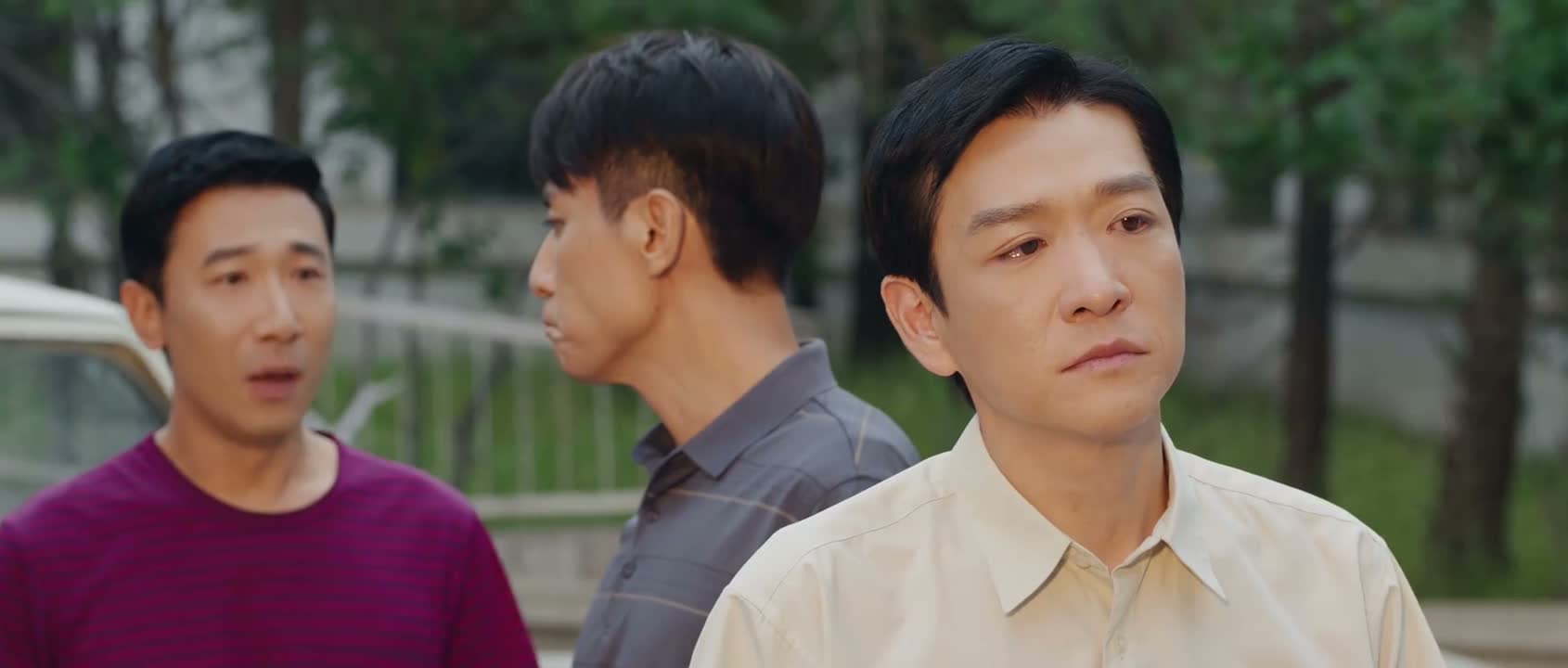
“The bond between the four of us will never change.”
“It's rare for us to get together.”
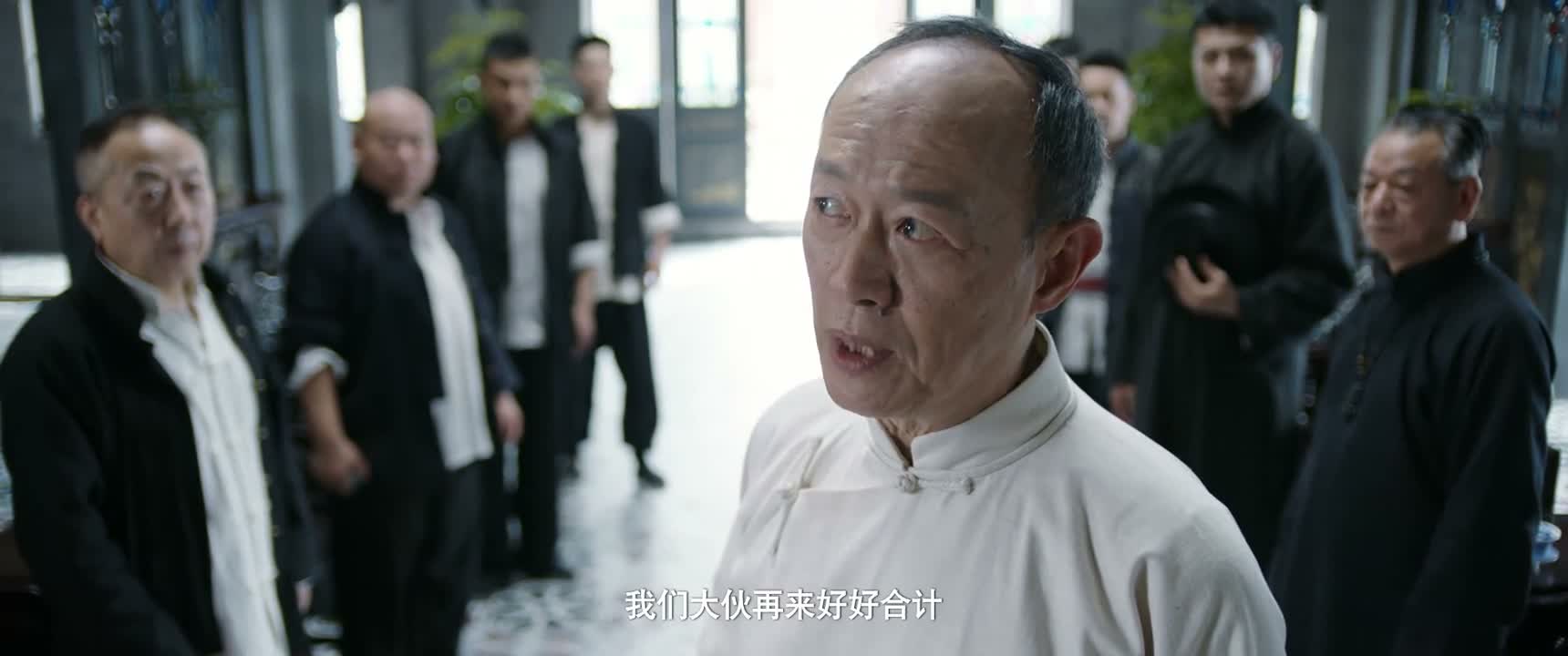
“for us all to plan this out properly.”

“Why not go play with them? I don't know how.”

“There are only four of us. What do you mean by "everyone"?”

“- You came too? - Let's have fun together. Congratulations.”