MC
MandarinClips Cinema Corpus
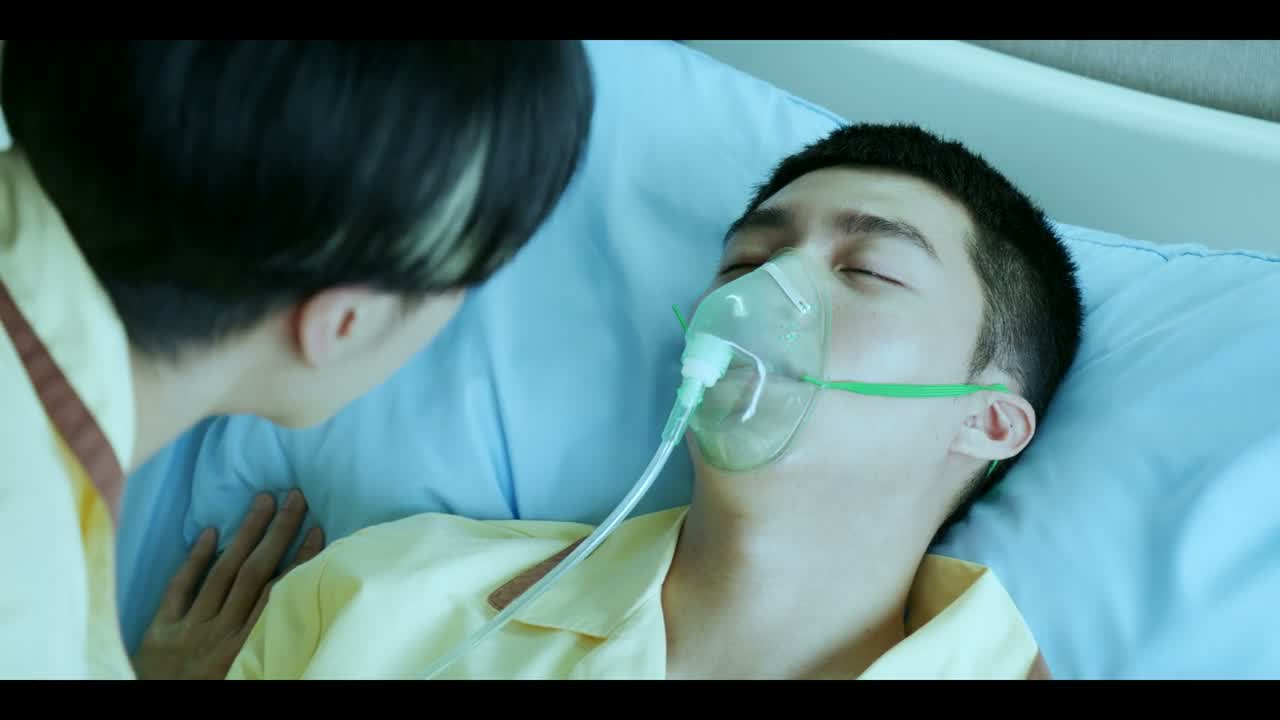
《Vanished Name》 S1·E18 (22:43) HSK 4
shuì dé bǐ shéi dōu sǐ hái shǒu suì ne

睡得比谁都死 还守岁呢

“You slept like the dead, yet you talk about staying up?”

《Vanished Name》 S1·E18
TIMECODE: 22:43 · 1080P MASTER AUDIO

THE DIALOGUE REEL

1+1+1 SPOKEN CONTINUITY
[-1] PREVIOUS TURN shǒu shá suì ya

守啥岁呀

“Staying up for New Year?”

shuì dé bǐ shéi dōu sǐ hái shǒu suì ne CURRENT FOCUS

睡得比谁都死 还守岁呢

“You slept like the dead, yet you talk about staying up?”

[+1] FOLLOW-UP TURN bǎi shù

柏庶

“Bai Shu? Hurry up. My stomach hurts.”

Subtitles synced to millisecond timecode Browse Show Clips →
Scene: Family & Home
Function: TEASING
Tone: TEASING
Emotion: AMUSEMENT
WHAT THEY REALLY MEAN (PRAGMATIC SUBTEXT)
“Stop pretending you stayed up all night—you were knocked out the whole time!”
💡 Cultural Insight: Shousui (Staying up on New Year's Eve)

In Chinese tradition, family members stay awake past midnight on New Year's Eve to bid farewell to the old year and pray for their parents' longevity.

INTENT TAGS: #teasing #mocking #playful_contradiction #informal_chat
🧩

LEARNING CHUNKS & PARTICLES

2 CHUNKS · 1 PARTICLES
睡得比谁都死 SPOKEN CHUNK

slept like a rock / slept more soundly than anyone

A vivid spoken idiom used to describe someone who is in an extremely deep sleep and hard to wake.

守岁 SPOKEN CHUNK

to stay up late or all night on Chinese New Year's Eve

A traditional Chinese custom observed on the eve of the Spring Festival to ward off evil and bring longevity.

Modal Particle「呢」 (ne) CHANGE OF STATE

Highlights the ironic contrast between the person's assertion and reality, adding a lighthearted teasing flavor.
🏮

VOCABULARY & EXPRESSIONS

2 EXPR · 1 GRAMMAR
CROSS-CINEMA CORPUS BOARD · PARALLEL SCENES

Parallel Spoken Cinema Scenes (语义近邻切片)

EXPLORE BY SEMANTIC SIMILARITY
《Vanished Name》 S1·E18 (22:43) · Authentic Cinema Dialogue Corpus