我是顾客 你没时间搭理顾客吗
“I'm a customer. Don't you have time for a customer?”
THE DIALOGUE REEL
“I really need money right now. No time for idle talk.”
我是顾客 你 没时间搭理 顾客吗
“I'm a customer. Don't you have time for a customer?”
“How much are the shoes? Nothing here fits you. Just go.”
“You cannot just ignore me—treat me like a paying customer and face me.”
Invoking the role of 'customer' (顾客) is a standard social tactic to establish legitimate authority and demand immediate attention in retail settings.
LEARNING CHUNKS & PARTICLES
to acknowledge or pay attention to someone
Commonly used in negative or rhetorical contexts when someone ignores or cold-shoulders another person.
have no time
A frequent colloquial excuse or explanation for unavailability or neglect.
Marks a rhetorical question that challenges the listener's neglectful behavior.
VOCABULARY & EXPRESSIONS
Parallel Spoken Cinema Scenes (语义近邻切片)

“is it wrong for me to save money for the customer?”

“Our manager doesn't mean to slight you.”
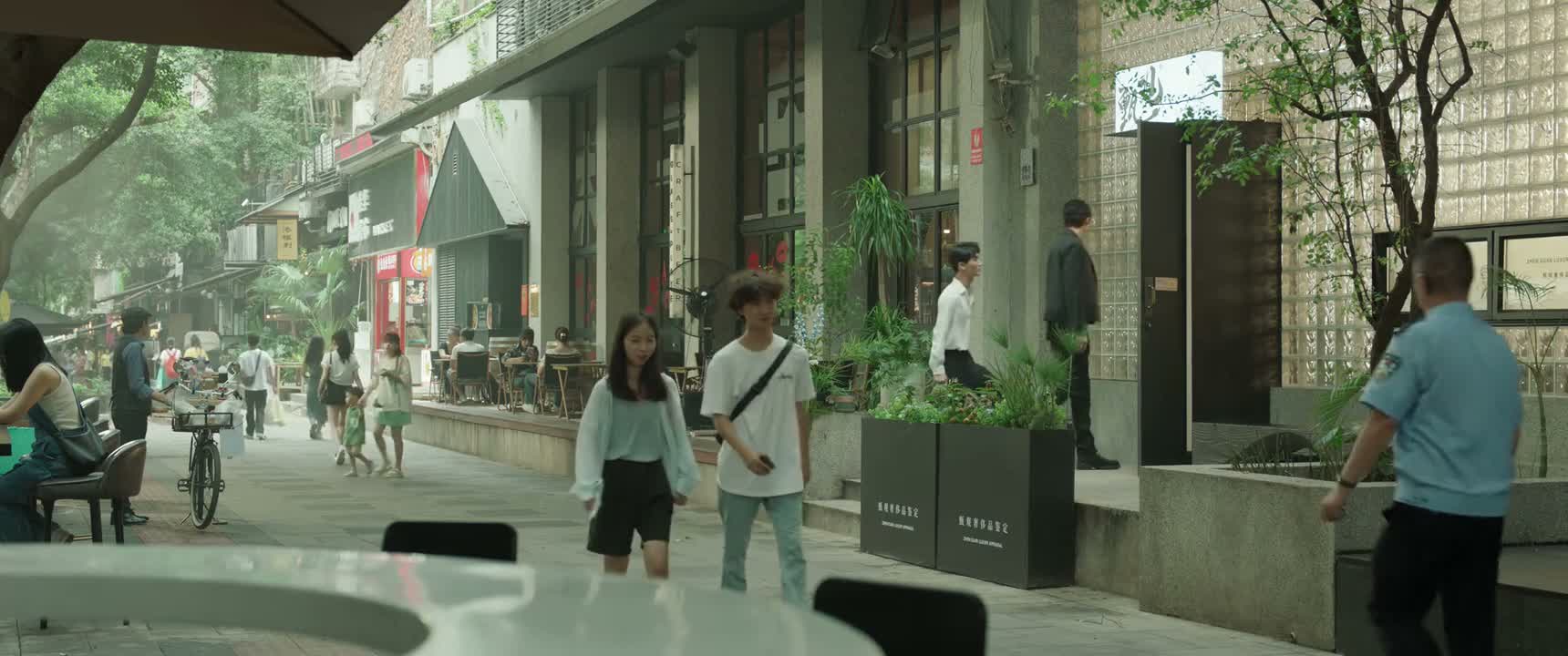
“Otherwise, it's really hard to explain to this kind of customer.”

“I told you. The customer who just bought things.”

“It's pointless to raid this place now. The clerk told the truth about one thing.”

“Treating guests like fools.”