MC
MandarinClips Cinema Corpus
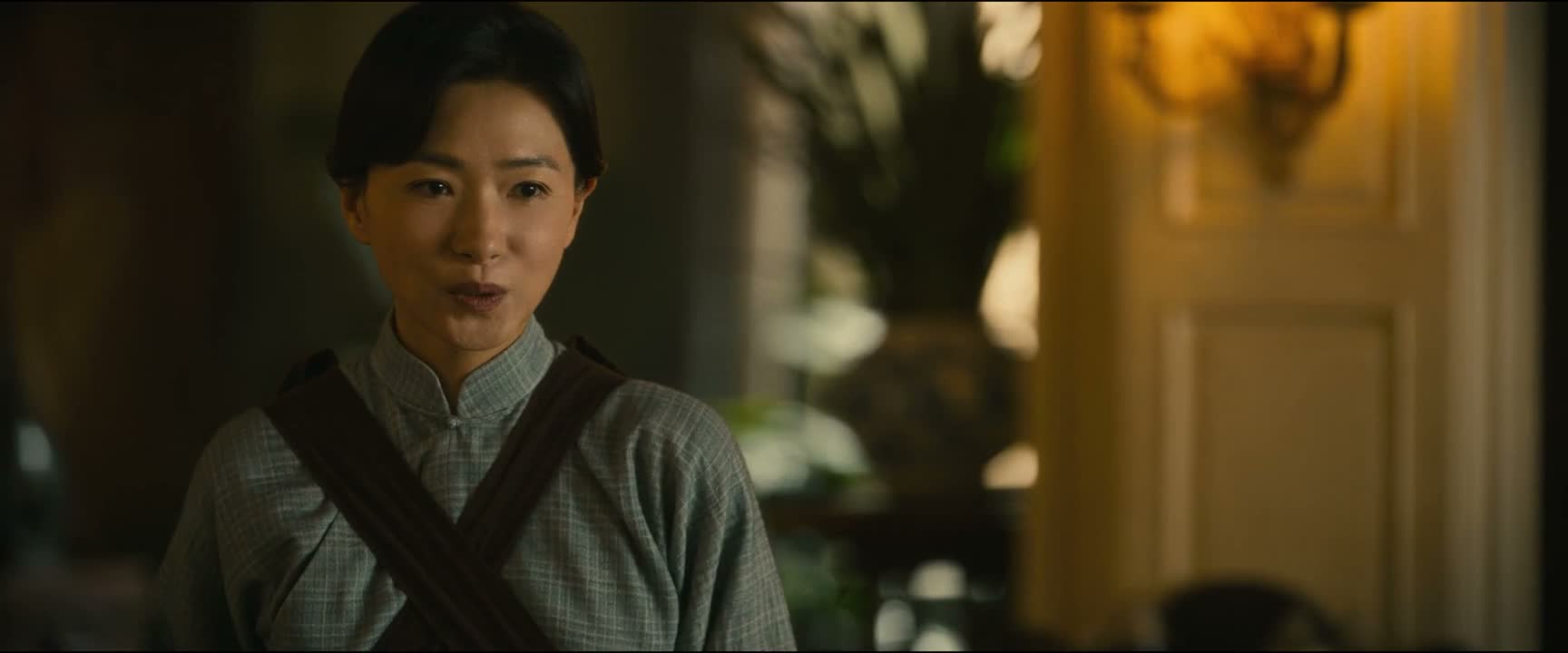
《Go Ahead》 S1·E5 (28:40) HSK 7
xià hǔ hái zi gàn shén me dòu tā wán ma

吓唬孩子干什么 逗他玩嘛

“Why did you scare him? I was teasing him.”

《Go Ahead》 S1·E5
TIMECODE: 28:40 · 1080P MASTER AUDIO

THE DIALOGUE REEL

1+1+1 SPOKEN CONTINUITY
[-1] PREVIOUS TURN zi qiū nǐ kě hǎo hǎo biǎo xiàn nǐ bù tīng huà nǐ bà jiù bǎ nǐ sòng zǒu la

子秋 你可好好表现 你不听话 你爸就把你送走啦

“Ziqiu, you've got to impress them. If you don't behave, your dad will send you away.”

xià hǔ hái zi gàn shén me dòu tā wán ma CURRENT FOCUS

吓唬孩子干什么 逗他玩 嘛

“Why did you scare him? I was teasing him.”

[+1] FOLLOW-UP TURN nín nín bié zhè me gēn hái zi kāi wán xiào

“Please, don't tease a kid like that.”

Subtitles synced to millisecond timecode Browse Show Clips →
Scene: Family & Home
Function: DEFENDING BEHAVIOR
Tone: DISMISSIVE
Emotion: DEFENSIVENESS
WHAT THEY REALLY MEAN (PRAGMATIC SUBTEXT)
“Don't take it so seriously, I'm just joking around with him.”
💡 Cultural Insight: Adult Teasing of Children (逗小孩现象)

A traditional but increasingly criticized social habit where adults joke about abandonment or harsh discipline to elicit emotional reactions from young children.

INTENT TAGS: #deflection #downplaying #excusing_behavior #teasing
🧩

LEARNING CHUNKS & PARTICLES

2 CHUNKS · 1 PARTICLES
吓唬 SPOKEN CHUNK

to scare; to frighten; to intimidate

Commonly used in spoken Chinese to refer to threatening or bluffing someone, especially children.

逗...玩 SPOKEN CHUNK

to tease someone for fun; to joke around with

Used to describe teasing or bantering with children or pets in a lighthearted way.

Modal Particle「嘛」 (ma) CHANGE OF STATE

Asserts that the explanation is obvious and self-evident, trying to dismiss the other party's concern.
🏮

VOCABULARY & EXPRESSIONS

2 EXPR · 0 GRAMMAR
CROSS-CINEMA CORPUS BOARD · PARALLEL SCENES

Parallel Spoken Cinema Scenes (语义近邻切片)

EXPLORE BY SEMANTIC SIMILARITY
《Go Ahead》 S1·E5 (28:40) · Authentic Cinema Dialogue Corpus