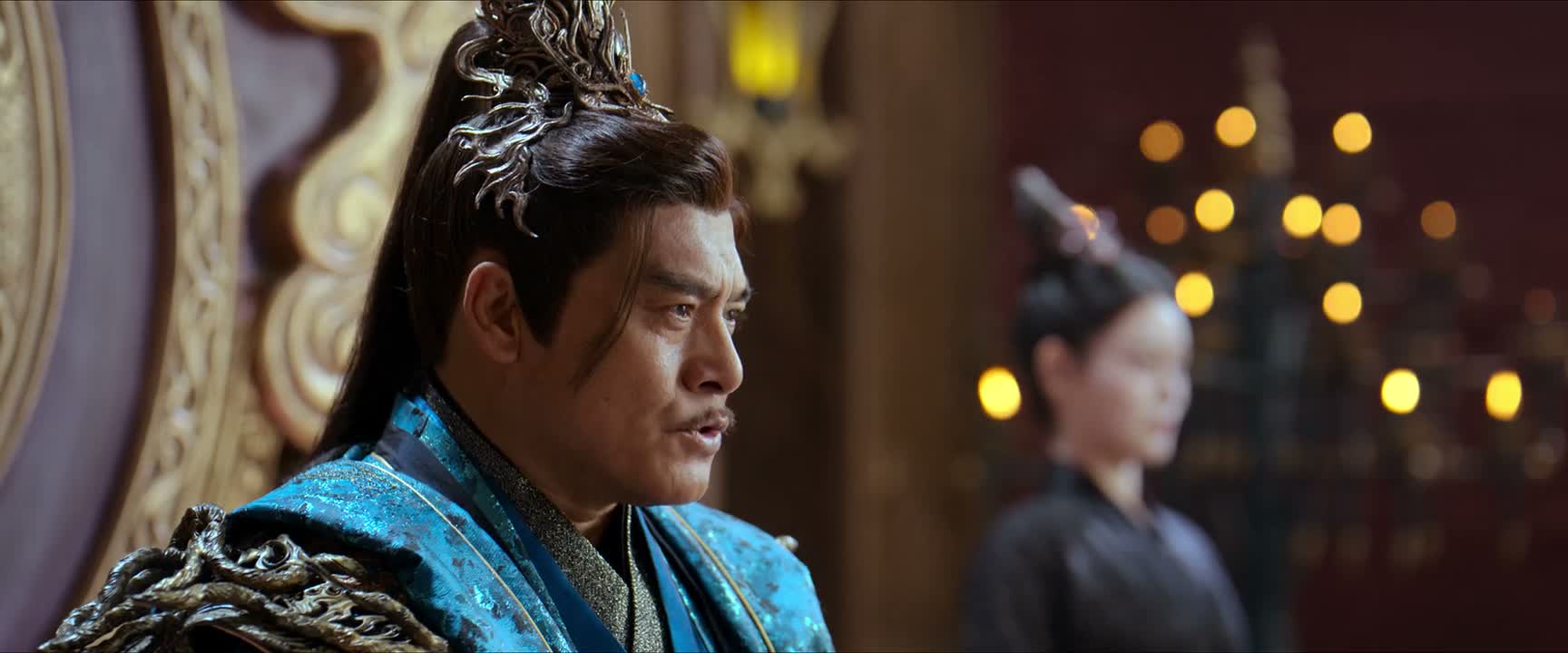
最后都成了能臣呢 那咋办
“who ended up becoming capable ministers. What should we do then?”
THE DIALOGUE REEL
有不少人才
“include many talents”
最后都 成了 能臣呢 那咋办
“who ended up becoming capable ministers. What should we do then?”
抢在他之前
“Beat him to it”
Direct spoken expression in this communicative setting.
In historical Chinese political struggles, winning over competent officials (nengchen) was decisive in establishing power over factional rivals.
LEARNING CHUNKS & PARTICLES
capable minister / efficient official
A classical historical term referring to competent, effective imperial court administrators.
then what should be done?
A very colloquial spoken alternative to '那怎么办', common in Northern Mandarin.
Marks a hypothetical question or conditional dilemma, highlighting the speaker's lingering worry.
VOCABULARY & EXPRESSIONS
Parallel Spoken Cinema Scenes (语义近邻切片)

“The same poison that even ensnared this minister.”

“Who can guess what these powerful officials are thinking?”

“[Action Through Inaction] What would this realm do without me,”

“you must uphold justice for this subject.”

“The court hasn't convicted him yet, and you've already condemned him first.”
“from their immortal perception we dig out today.”