MC
MandarinClips Cinema Corpus
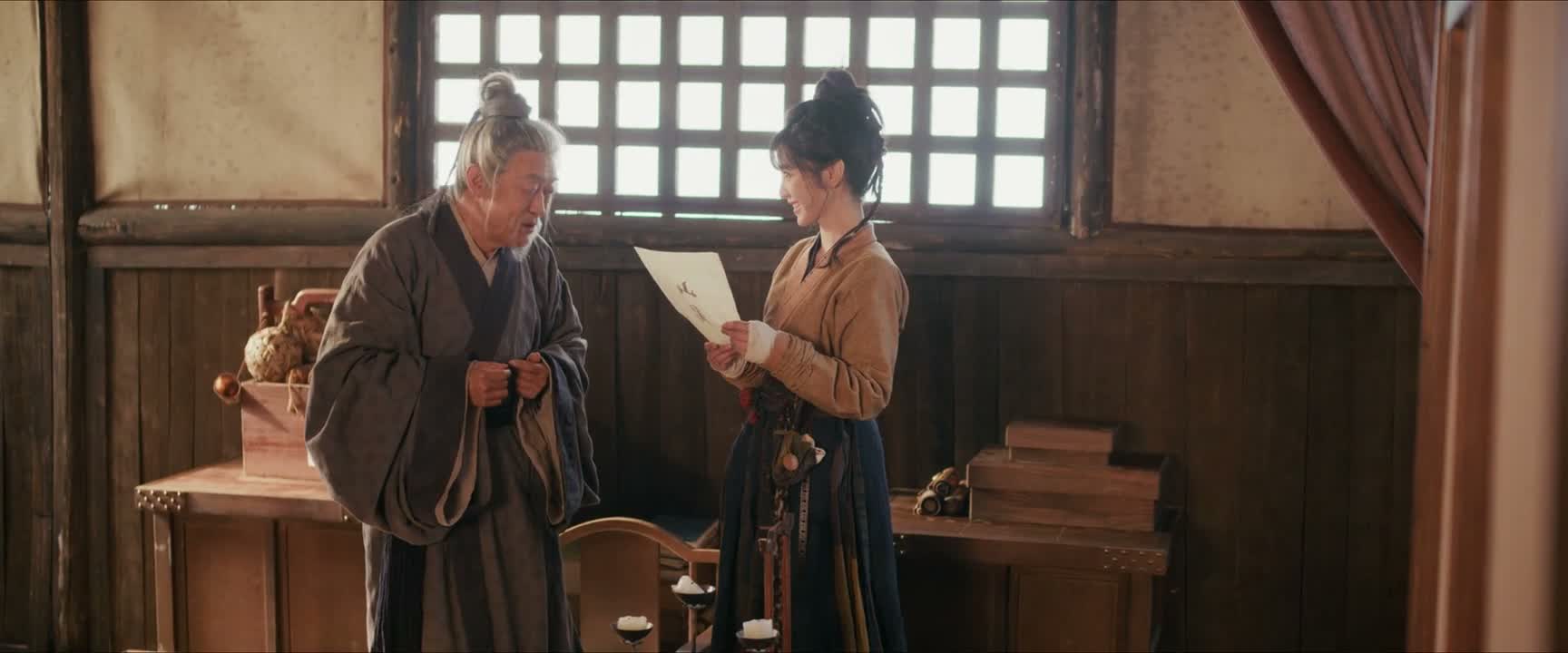
《About Love》 S1·E16 (37:29) HSK 2
nǐ jiù bù néng shuō diǎn hǎo tīng de

你就不能说点好听的

“Can't you say something sweet?”

《About Love》 S1·E16
TIMECODE: 37:29 · 1080P MASTER AUDIO

THE DIALOGUE REEL

1+1+1 SPOKEN CONTINUITY
[-1] PREVIOUS TURN jiù zhè yàng ba

就这样吧

“So be it.”

nǐ jiù bù néng shuō diǎn hǎo tīng de CURRENT FOCUS

你 就不能 说点好听的

“Can't you say something sweet?”

[+1] FOLLOW-UP TURN wǒ gěi nǐ guā gè méi máo ba hǎo ma

我给你刮个眉毛吧 好吗

“Let me trim your eyebrows, okay?”

Subtitles synced to millisecond timecode Browse Show Clips →
Scene: Social & Dating
Function: COMPLAINING
Tone: PETULANT
Emotion: FRUSTRATION
WHAT THEY REALLY MEAN (PRAGMATIC SUBTEXT)
“Stop being so cold and say something sweet to cheer me up.”
💡 Cultural Insight: Coquettish Complaining (Sajiao)

In romantic dynamics, demanding that a partner 'say pleasant things' often functions as a mild form of coquettish pouting (撒娇) to elicit warmth and reassurance rather than an actual hostile fight.

INTENT TAGS: #reproach #seeking_comfort #petulance #demand
🧩

LEARNING CHUNKS & PARTICLES

2 CHUNKS · 1 PARTICLES
就不能 SPOKEN CHUNK

can't you just; couldn't you

Used in rhetorical questions to express irritation or to urge someone to change their behavior.

好听的 SPOKEN CHUNK

pleasant-sounding words; compliments; sweet talk

Nominalization of '好听', commonly used to refer to flattery, reassuring comments, or romantic sweet nothings.

Modal Particle「的」 (de) CHANGE OF STATE

Nominalizes the adjective phrase, referring to pleasant words or remarks.

🏮

VOCABULARY & EXPRESSIONS

2 EXPR · 2 GRAMMAR
CROSS-CINEMA CORPUS BOARD · PARALLEL SCENES

Parallel Spoken Cinema Scenes (语义近邻切片)

EXPLORE BY SEMANTIC SIMILARITY
《About Love》 S1·E16 (37:29) · Authentic Cinema Dialogue Corpus