MC
MandarinClips Cinema Corpus
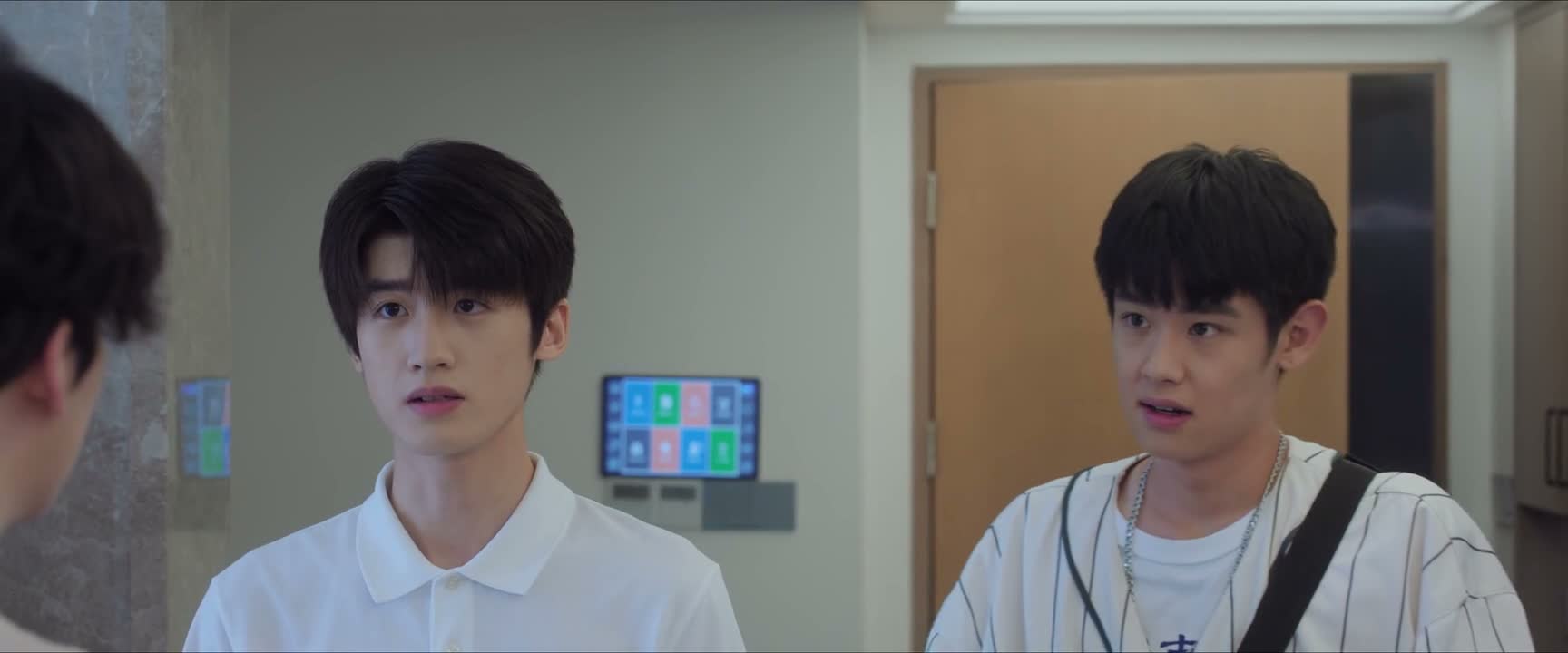
《About Love》 S1·E14 (11:43) HSK 6
suàn le lǎo shī shāng xīn shì ér bù tí le

算了老师 伤心事儿不提了

“Forget it, Sir. No need to talk about sad stuff.”

《About Love》 S1·E14
TIMECODE: 11:43 · 1080P MASTER AUDIO

THE DIALOGUE REEL

1+1+1 SPOKEN CONTINUITY
[-1] PREVIOUS TURN bù hǎo yì sī a

不好意思啊

“Sorry about that.”

suàn le lǎo shī shāng xīn shì ér bù tí le CURRENT FOCUS

算了 老师 伤心 事儿 不提了

“Forget it, Sir. No need to talk about sad stuff.”

[+1] FOLLOW-UP TURN nà ge

那个

“Well,”

Subtitles synced to millisecond timecode Browse Show Clips →
Scene: Daily Life
Function: CHANGING TOPIC
Tone: EVASIVE
Emotion: SADNESS
WHAT THEY REALLY MEAN (PRAGMATIC SUBTEXT)
“Please stop asking; it still hurts to talk about it.”
💡 Cultural Insight: Calling Others 'Teacher' (老师)

In modern Chinese society, 'laoshi' is frequently used as a polite, respectful honorific for professionals, seniors, or skilled mentors even outside school contexts.

INTENT TAGS: #deflection #avoidance #polite_refusal #closure
🧩

LEARNING CHUNKS & PARTICLES

3 CHUNKS · 1 PARTICLES
算了 SPOKEN CHUNK

forget it; let it drop

A very frequent phrase used to dismiss an issue or abandon a train of thought.

伤心事儿 SPOKEN CHUNK

painful or sad memories/events

Casual northern spoken term with the erhua sound referring to sad personal affairs.

不提了 SPOKEN CHUNK

let's not bring it up; drop the subject

A standard conversational way to shut down inquiry into a sensitive or unpleasant topic.

Modal Particle「了」 (le) CHANGE OF STATE

Indicates a change of state, here serving to conclude discussion on the topic.
🏮

VOCABULARY & EXPRESSIONS

3 EXPR · 0 GRAMMAR
CROSS-CINEMA CORPUS BOARD · PARALLEL SCENES

Parallel Spoken Cinema Scenes (语义近邻切片)

EXPLORE BY SEMANTIC SIMILARITY
《About Love》 S1·E14 (11:43) · Authentic Cinema Dialogue Corpus