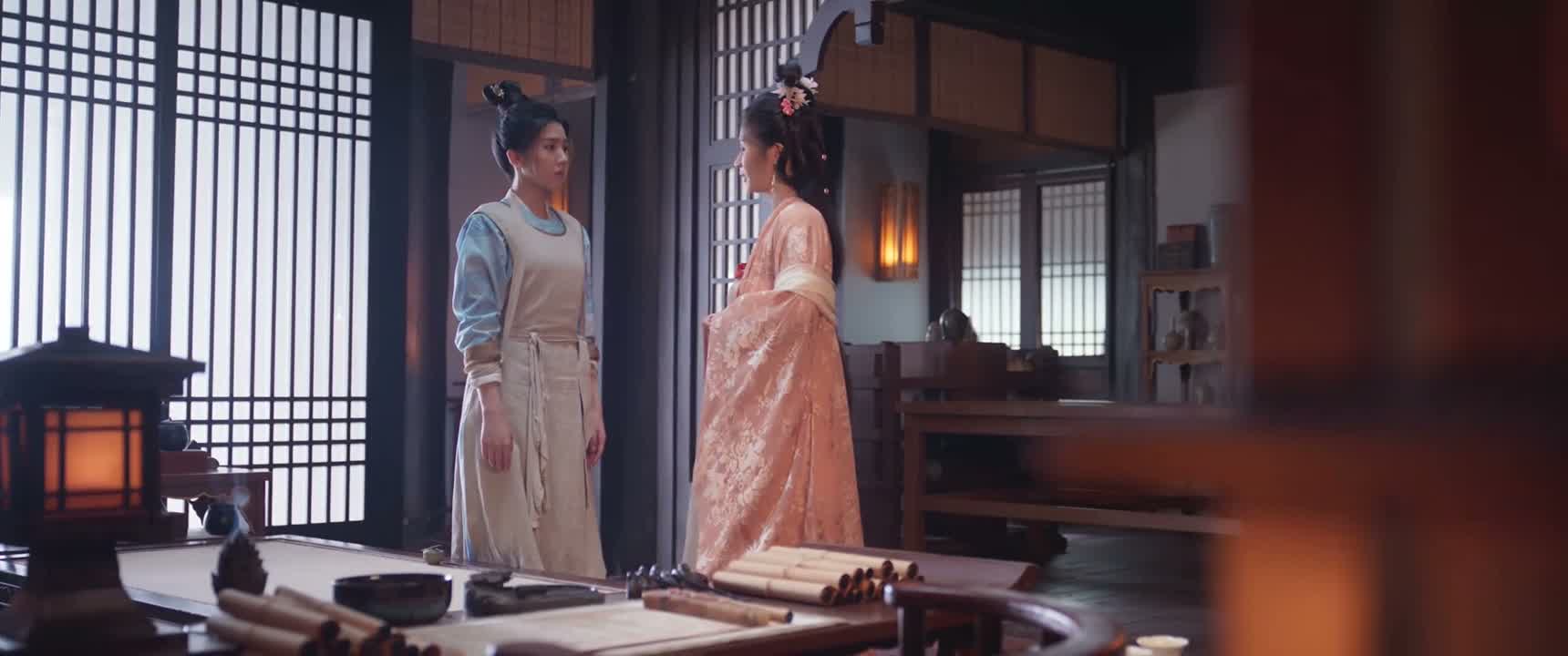
教坊乐人 有伤病不足为奇
“It's common for musicians in the Music Office to have injuries.”
THE DIALOGUE REEL
你受伤了?
“Are you injured?”
教坊乐人 有伤病 不足为奇
“It's common for musicians in the Music Office to have injuries.”
“But how did you end up with bruises from playing the pipa?”
“Do not make a fuss or ask questions; people of my lowly station get battered all the time.”
Historically, court entertainers belonging to the Jiaofang were often classified under the 'debased/mean' social caste (jianmin), subject to systemic abuse and harsh physical punishment.
LEARNING CHUNKS & PARTICLES
not at all surprising / nothing to wonder at
A common four-character idiom (chengyu) used to normalize an unusual situation or dismiss someone's surprise.
musician / court entertainer
A historical term referring to performers and musicians, often belonging to a marginalized social caste in imperial courts.
VOCABULARY & EXPRESSIONS
Parallel Spoken Cinema Scenes (语义近邻切片)
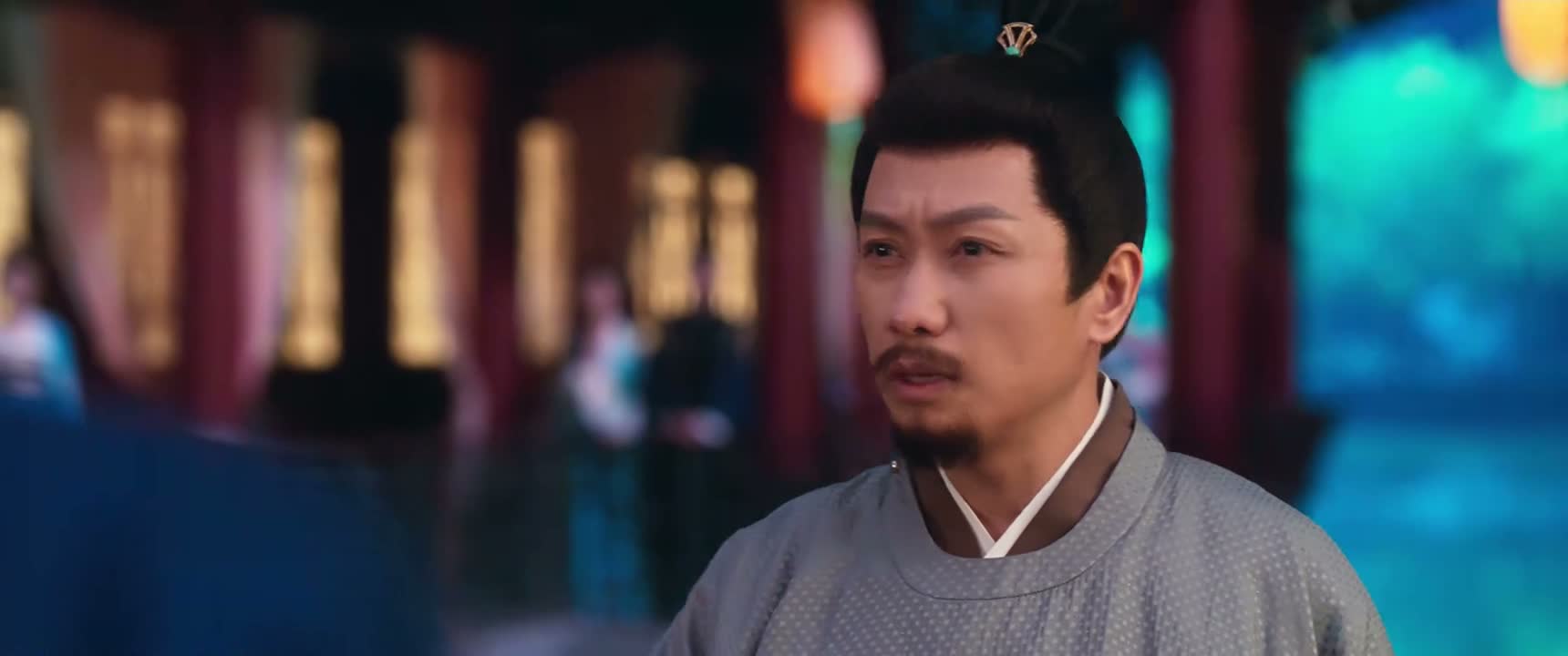
“The Music Office is full of gossip.”
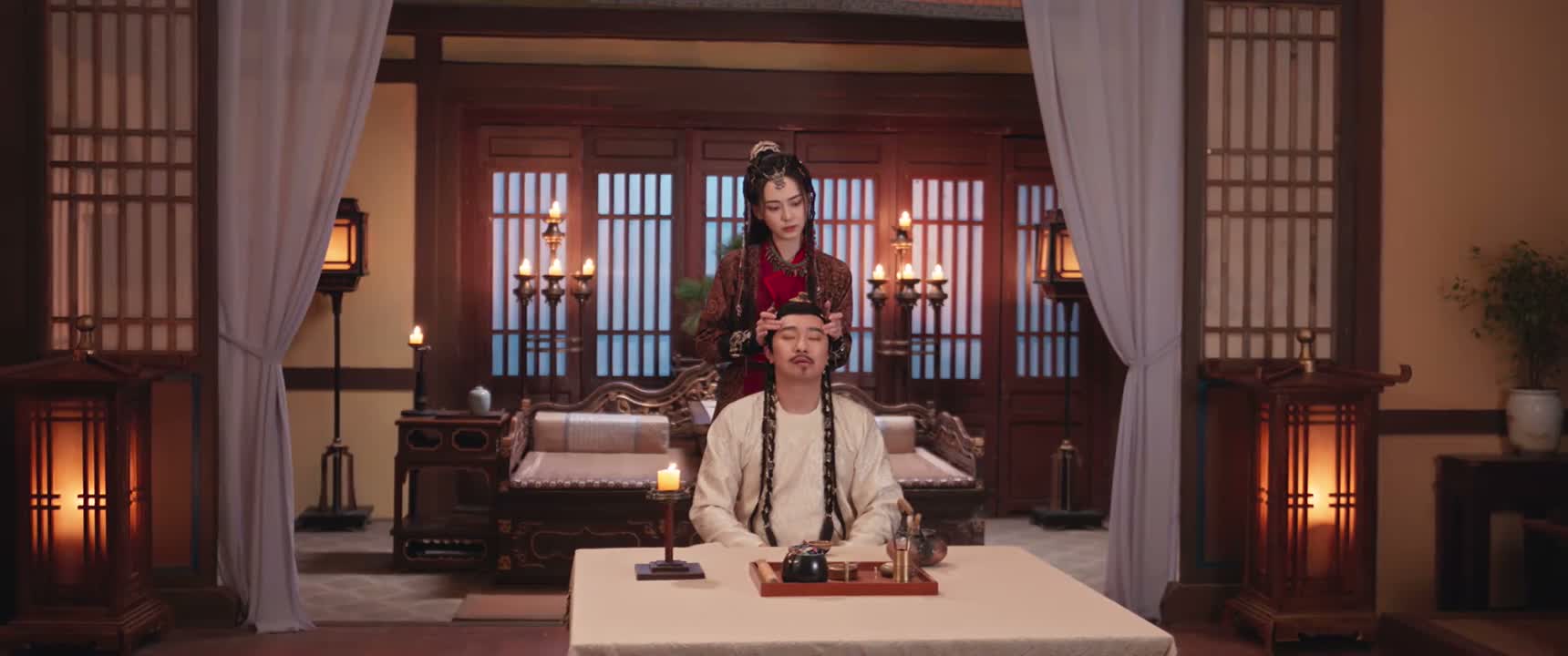
“The one who died at the Music Office”
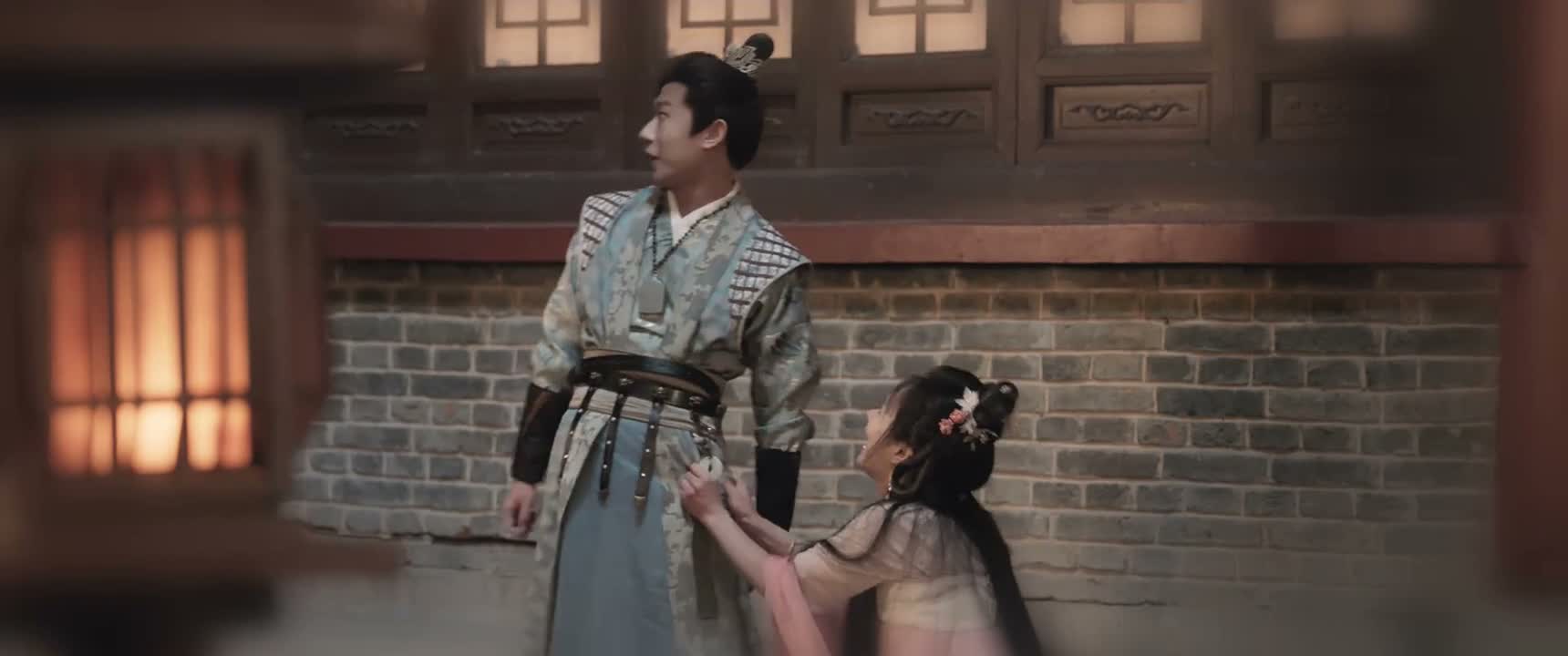
“Qinxiang of the Music Office is infected with syphilis!”
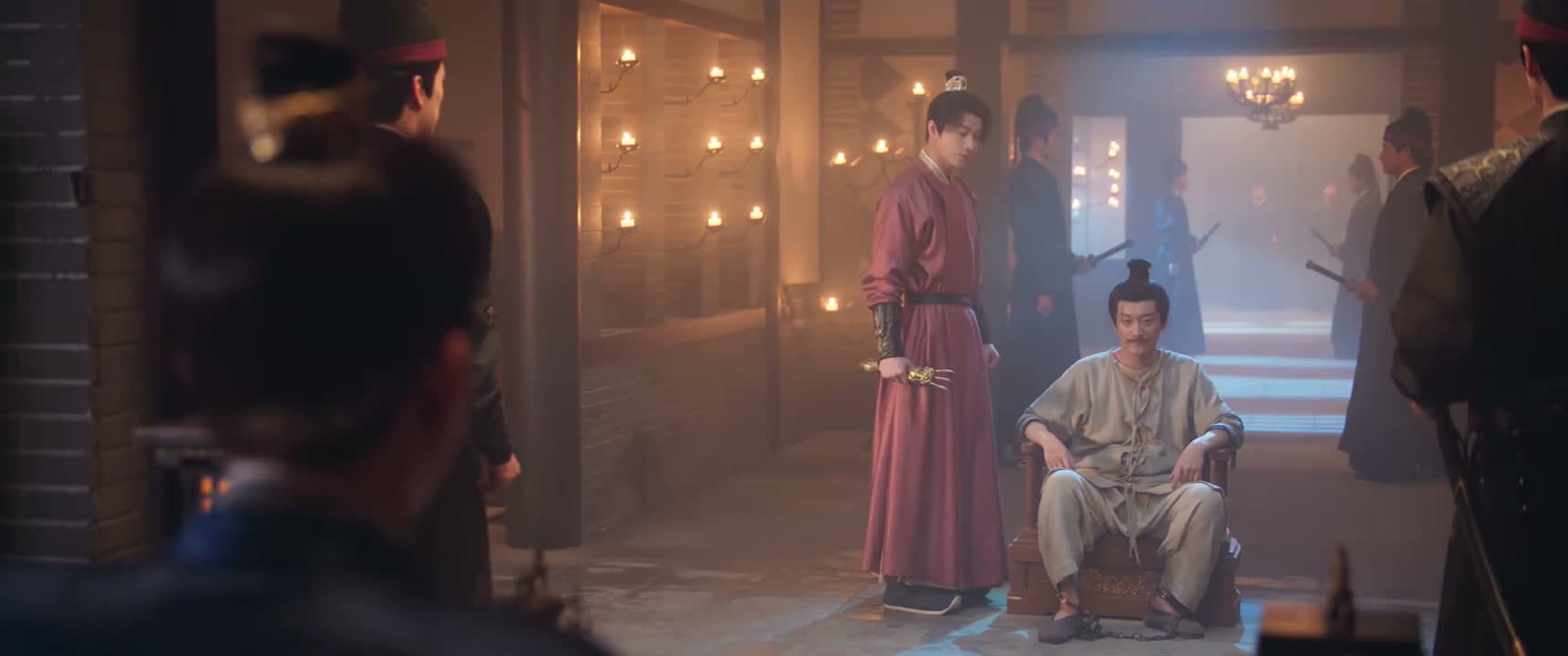
“Miss Hua Mei of the Music Office also contracted the same disease,”
“I endure this life in the Music Office”

“He was the only one she knew outside the Music Office.”