不是说他们有慰问任务吗
“I thought they're visiting workers?”
THE DIALOGUE REEL
宣传科的人早走了
“Everyone has left.”
不是说 他们有 慰问任务 吗
“I thought they're visiting workers?”
“Why would they visit anyone when there's no special occasion?”
“Are they really on duty, or did they just sneak off early?”
In Chinese work units (danwei), departments often had collective tasks like outreach visits ('慰问'), which could also serve as informal excuses for leaving standard posts.
LEARNING CHUNKS & PARTICLES
wasn't it said that... / didn't someone say...
A common conversational starter used to challenge a current situation by citing prior expectations or claims.
to express sympathy or greetings; outreach mission
Commonly used in formal or institutional contexts referring to official goodwill visits to workers or troops.
Marks a rhetorical yes-no question, nudging the listener to confirm or refute the prior premise.
VOCABULARY & EXPRESSIONS
Parallel Spoken Cinema Scenes (语义近邻切片)

“visit those wounded soldiers.”
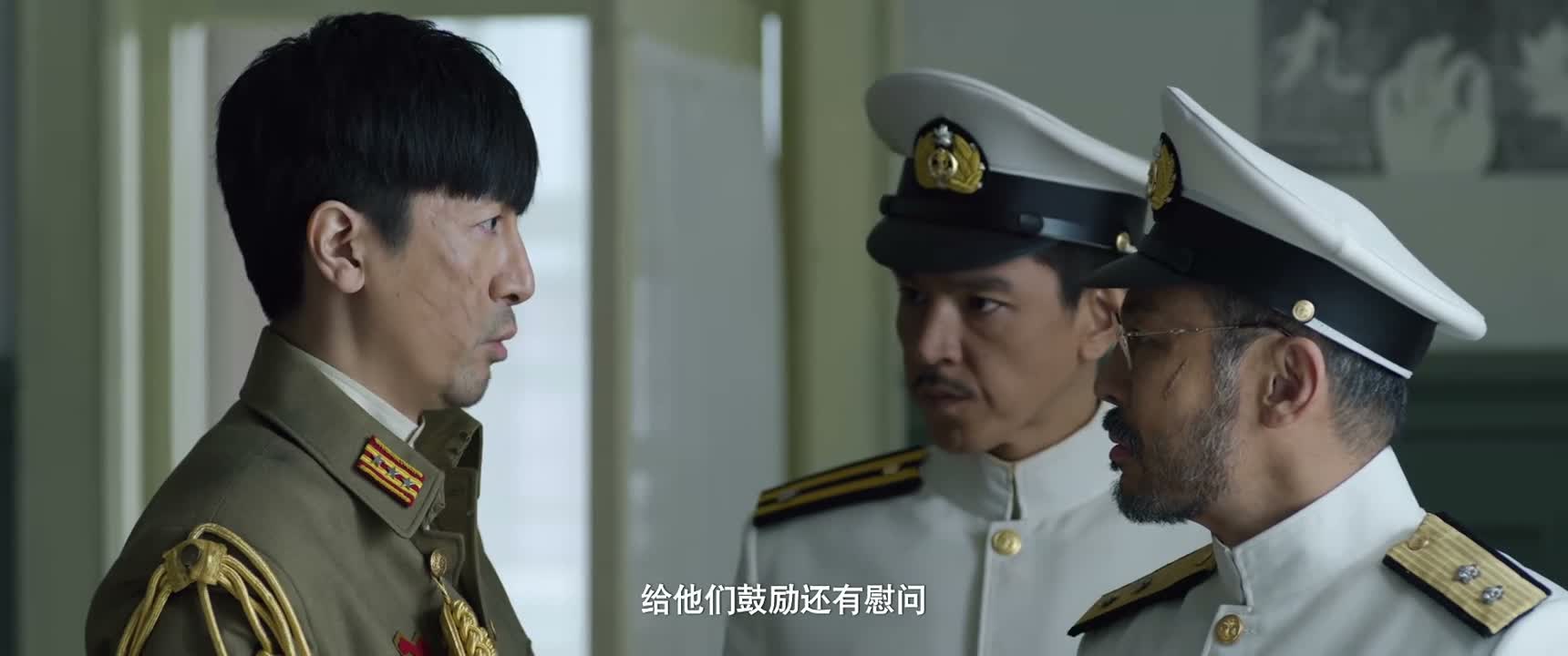
“to encourage and comfort them”

“”

“It's not easy to work in the Criminal Investigation Corps.”

“How is your mission coming along?”

“What mission exactly did he”