《Love Story in the 1970s》 S1·E18 (04:51)
HSK 6
dāng chū běn jiù shì gè yǒu suǒ xū
当初本就是各有所需
“(We married for mutual benefits,)”
《Love Story in the 1970s》
S1·E18
TIMECODE: 04:51
·
1080P MASTER AUDIO
THE DIALOGUE REEL
[-1] PREVIOUS TURN
xiǎng lái wǒ men hái shì lí hūn gèng hǎo
“(I believe it's better we divorce.)”
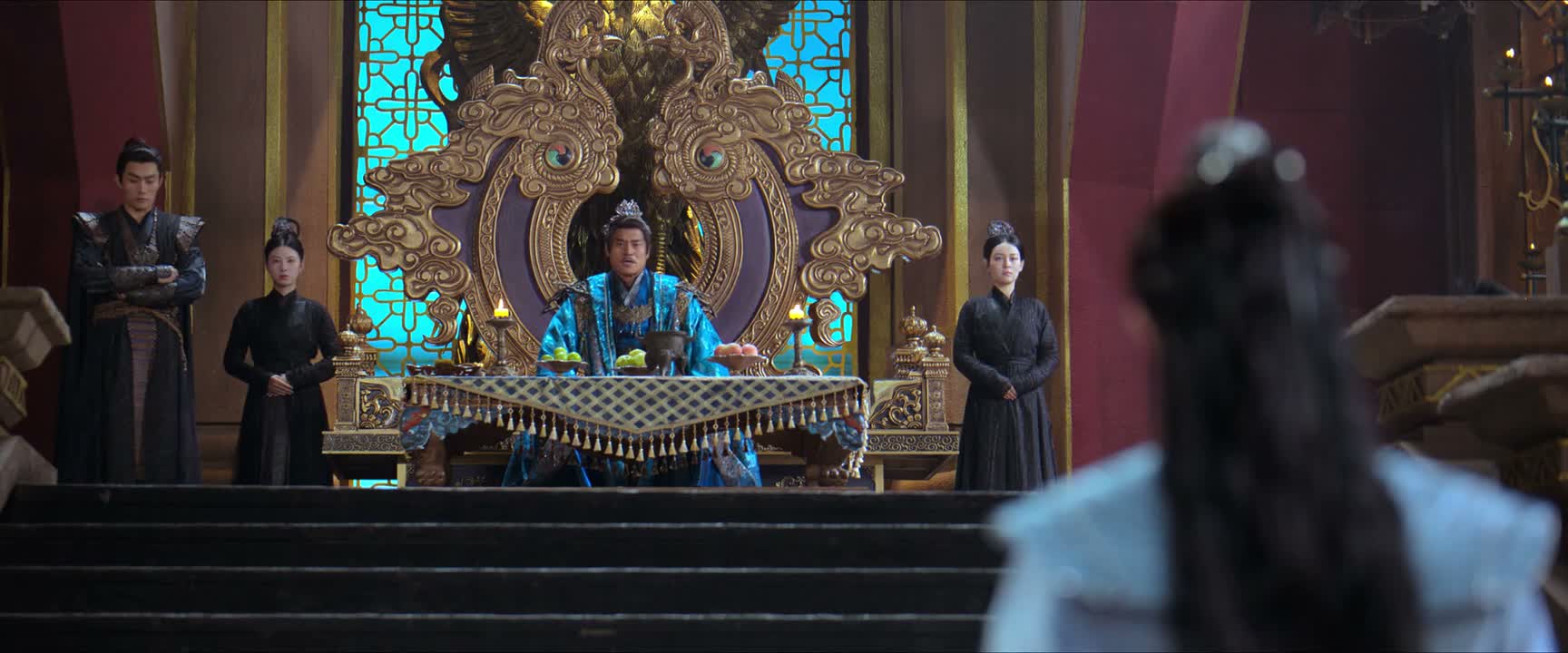
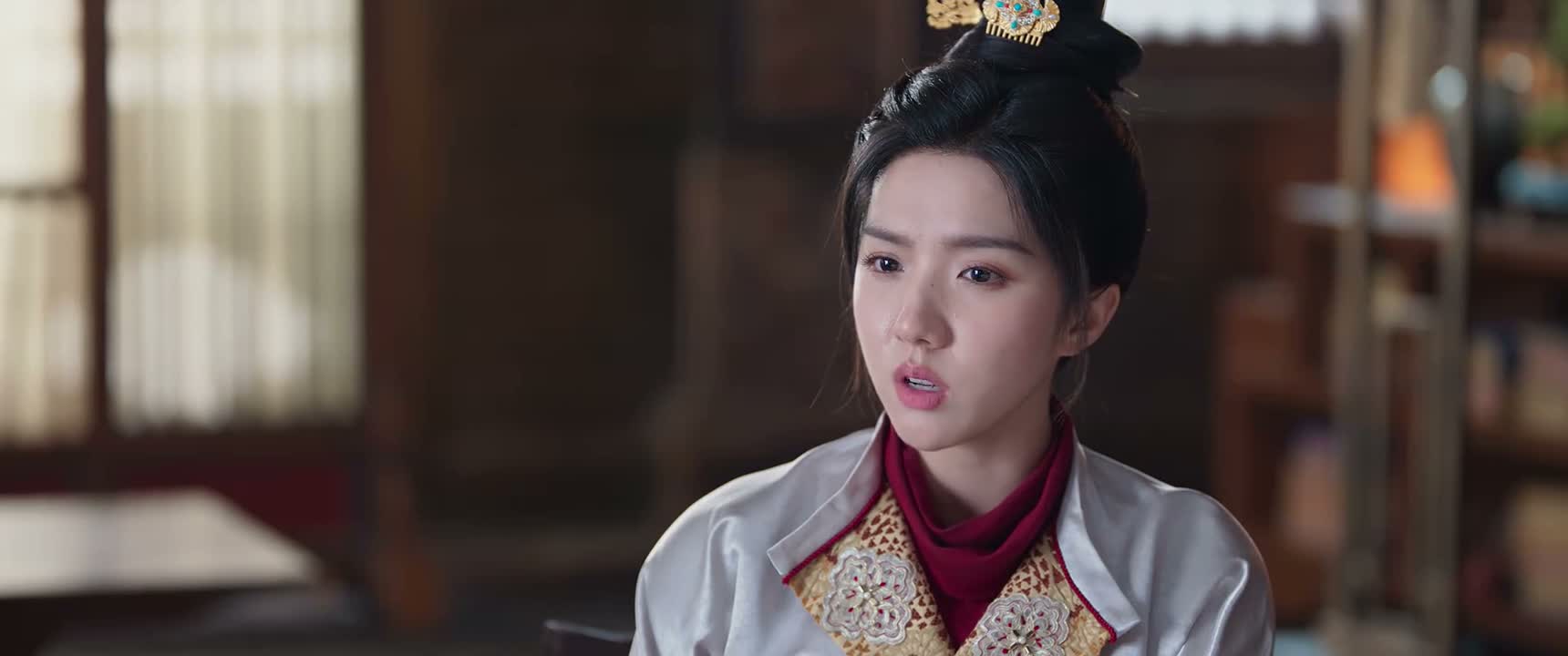
dāng chū běn jiù shì gè yǒu suǒ xū
CURRENT FOCUS
当初 本就是 各有所需
“(We married for mutual benefits,)”
[+1] FOLLOW-UP TURN
xiàn yǐ jù yǒu suǒ de
现已俱有所得
“(and we've gotten what we wanted.)”
Subtitles synced to millisecond timecode
Browse Show Clips →
Scene:
Crisis & Conflict
Function:
JUSTIFYING DECISION
Tone:
COLD
Emotion:
DETACHMENT
WHAT THEY REALLY MEAN (PRAGMATIC SUBTEXT)
“Let's be realistic: we never loved each other, it was just a mutual deal.”
💡 Cultural Insight: Pragmatic Marriages of Convenience
Historically and in certain modern circumstances, marriages in China have sometimes been entered into pragmatically for social or economic security (hukou, housing, family pressure) rather than romantic love.
INTENT TAGS:
#rationalization
#detachment
#transactional
#divorce
🧩
2 CHUNKS · 0 PARTICLES
LEARNING CHUNKS & PARTICLES
各有所需
SPOKEN CHUNK
each having their own needs; mutual utility
A formal four-character phrase used to describe utilitarian partnerships without sentimental commitment.
当初
SPOKEN CHUNK
originally; back then
Used to reflect on the original starting point or premises of a relationship or decision.
🏮
2 EXPR · 0 GRAMMAR
VOCABULARY & EXPRESSIONS
COLLOQUIAL EXPRESSIONS:
CROSS-CINEMA CORPUS BOARD · PARALLEL SCENES
EXPLORE BY SEMANTIC SIMILARITY
Parallel Spoken Cinema Scenes (语义近邻切片)

《Love Story in the 1970s》 S1·E18 (04:51) · Authentic Cinema Dialogue Corpus