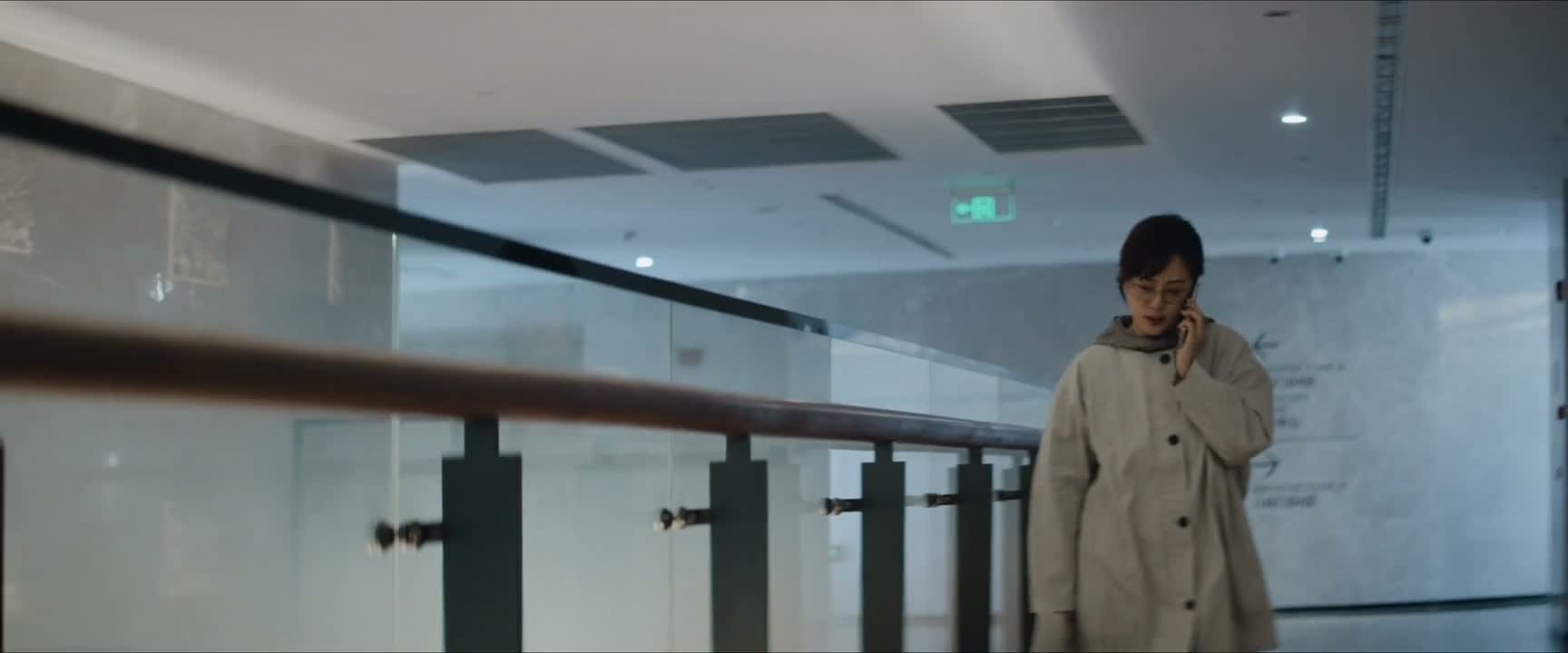
你得听我的 这食堂你真不能再来了
“You need to listen to me. Don't come here anymore.”
THE DIALOGUE REEL
“It can't be that serious. What do you know?”
你得听我的 这食堂你真 不能再来了
“You need to listen to me. Don't come here anymore.”
“Even if you loathe this job, you're staying forever”
“Stop being reckless; staying visible here will ruin everything for you.”
In Chinese work culture, informal communal spaces like cafeterias are hotbeds for gossip and political friction; knowing when to keep a low profile is essential.
LEARNING CHUNKS & PARTICLES
must listen to me
Used when asserting authority or offering critical, non-negotiable advice.
really cannot ... anymore
Emphatic construction used to prohibit an action that has become too risky.
Indicates a change of state, marking that visiting the cafeteria should no longer continue.
VOCABULARY & EXPRESSIONS
Parallel Spoken Cinema Scenes (语义近邻切片)

“I'm telling you, you can't work here.”

“Let me explain. Say no more.”

“Look at you. You never listen to me anyway. Why do you insist on asking me?”

“I get it. Mr. Sun, you're blaming me for not coming back to visit you often.”
“I have to listen to him. Is that how it is?”

“Why can't you just listen to me?”