你也不想想我呀 你哭什么呀
“Can't you spare a thought for me? Why are you crying?”
THE DIALOGUE REEL
“Instead of working hard, you're being stubborn.”
你也不想想我 呀 你 哭什么呀
“Can't you spare a thought for me? Why are you crying?”
“Stop crying. People would think I did something to you.”
“I'm the one who should feel hurt, so why are you making this about yourself?”
Open displays of tears in public or semi-private disputes often trigger panic in Chinese partners, who fear loss of control or external judgment.
LEARNING CHUNKS & PARTICLES
consider my feelings / think about me
Employed to demand empathy or consideration from a close partner during a disagreement.
why are you crying?
Can sound either impatient or genuinely bewildered when someone starts weeping unexpectedly.
Softens the rhetorical question while adding a tone of exasperated bewilderment.
VOCABULARY & EXPRESSIONS
Parallel Spoken Cinema Scenes (语义近邻切片)
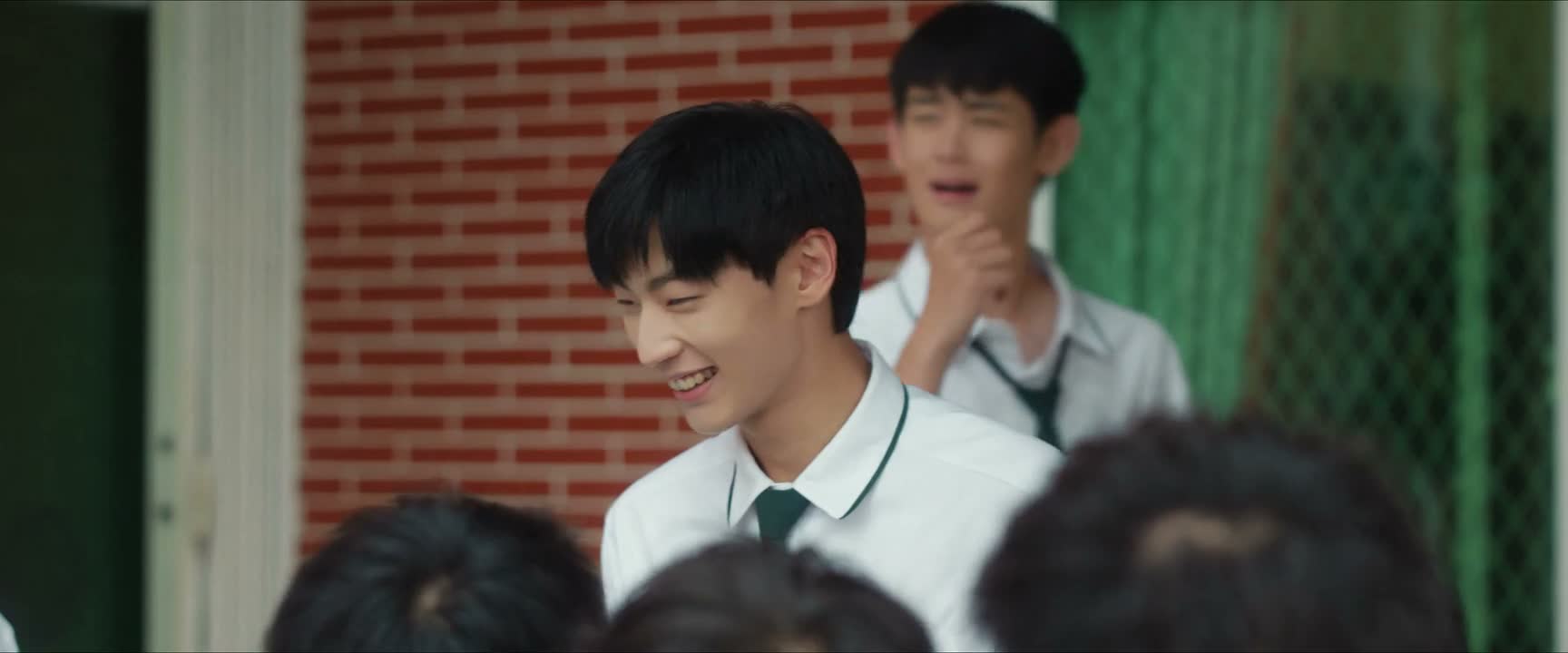
“Why are you crying? Not bad.”

“Why are you crying?”

“When you cry like this, it breaks my heart too.”

“Well, I can tell even if you don't tell me. The faces of you two already gave it away.”

“Speak! Why aren't you talking either?”

“Say something. Why didn't you tell me?”