是无人看顾的泥猴儿
“I've always been neglected.”
THE DIALOGUE REEL
“other girls have had parents around. What about me?”
是无人看顾的 泥猴儿
“I've always been neglected.”
我可曾向阿爹你哭诉、抱怨过一句?
“Have I ever cried or complained to you?”
“You completely failed as a parent while I had to survive all on my own like dirt.”
In traditional Chinese culture, children rarely openly confront parents with resentment; when they do, invoking vivid images of neglect conveys unbearable lifelong emotional pain.
LEARNING CHUNKS & PARTICLES
uncared for; left unattended
A somewhat literary or formal phrasing used to describe someone, usually a child or elder, left entirely without guardianship.
a filthy, unruly child; a little scamp caked in mud
A traditional colloquial metaphor used affectionately or pityingly to describe a child who runs wild and gets dirty.
VOCABULARY & EXPRESSIONS
Parallel Spoken Cinema Scenes (语义近邻切片)
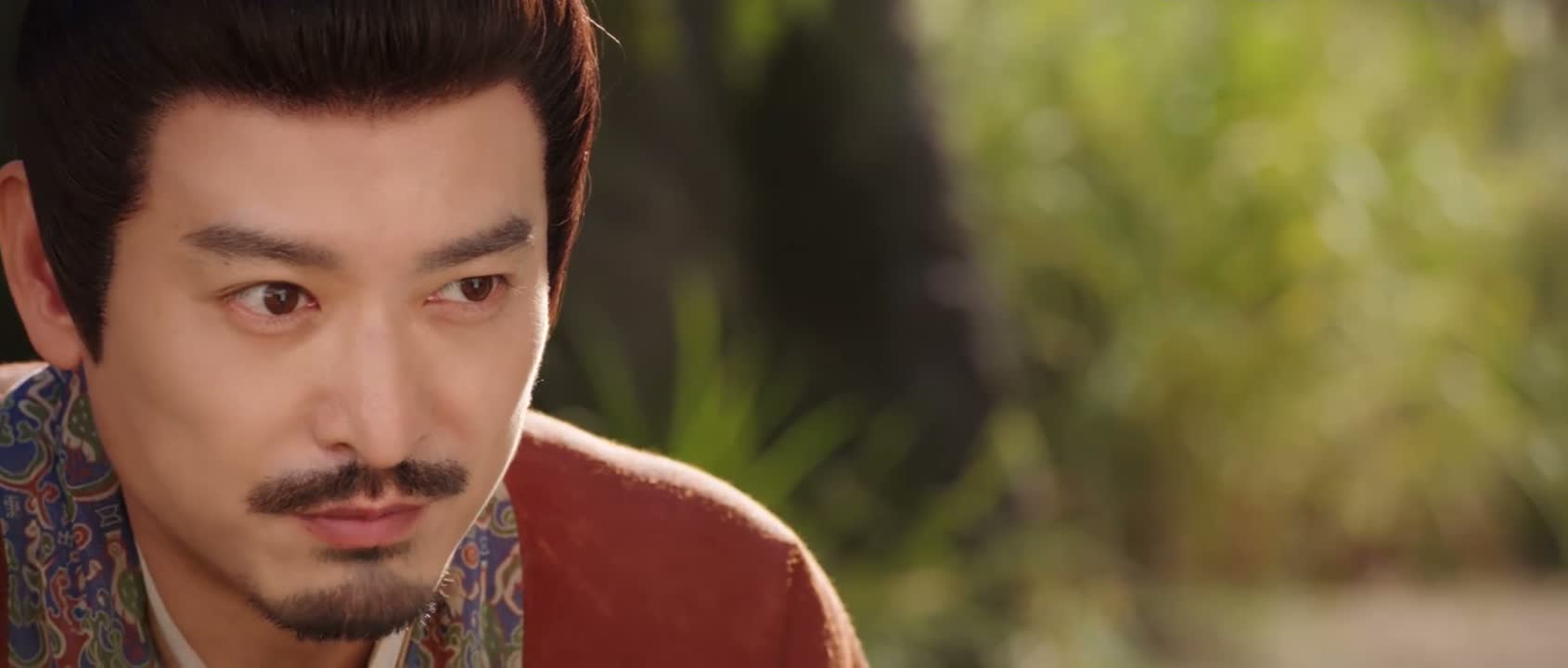
“an unremarkable outer disciple,”

“It seems they really have no successor.”

“I will have no complaints!”

“No one survived.”
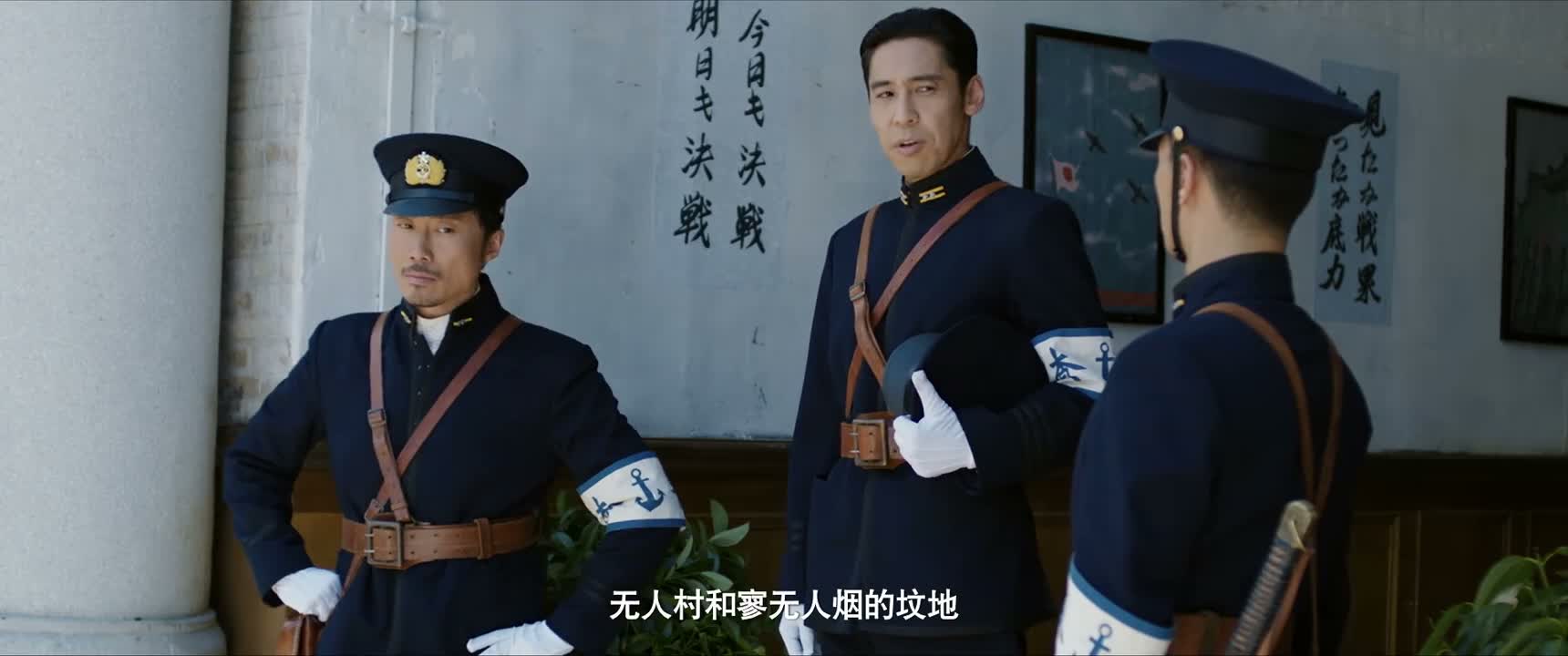
“abandoned villages and desolate graveyards.”

“Then find an empty latrine and hide in it.”