别的女娘有双亲照护 而我呢?
“other girls have had parents around. What about me?”
THE DIALOGUE REEL
从小到大
“Since childhood,”
别的女娘有双亲照护 而我呢 ?
“other girls have had parents around. What about me?”
“I was completely abandoned and never got the love I deserved.”
In traditional Chinese society, an individual's dignity, safety, and matrimonial prospects depended heavily on parental shelter; growing up without it was considered tragic and humiliating.
LEARNING CHUNKS & PARTICLES
young girl; maiden
An archaic/historical term for a girl or unmarried young woman, frequently used in historical and costume dramas.
but what about me?; whereas I
A rhetorical contrast marker used to highlight unfairness, abandonment, or personal disparity.
Marks a rhetorical contrast question, emphasizing the sharp difference between oneself and others.
VOCABULARY & EXPRESSIONS
Parallel Spoken Cinema Scenes (语义近邻切片)

“What woman doesn't long to be a mother,”
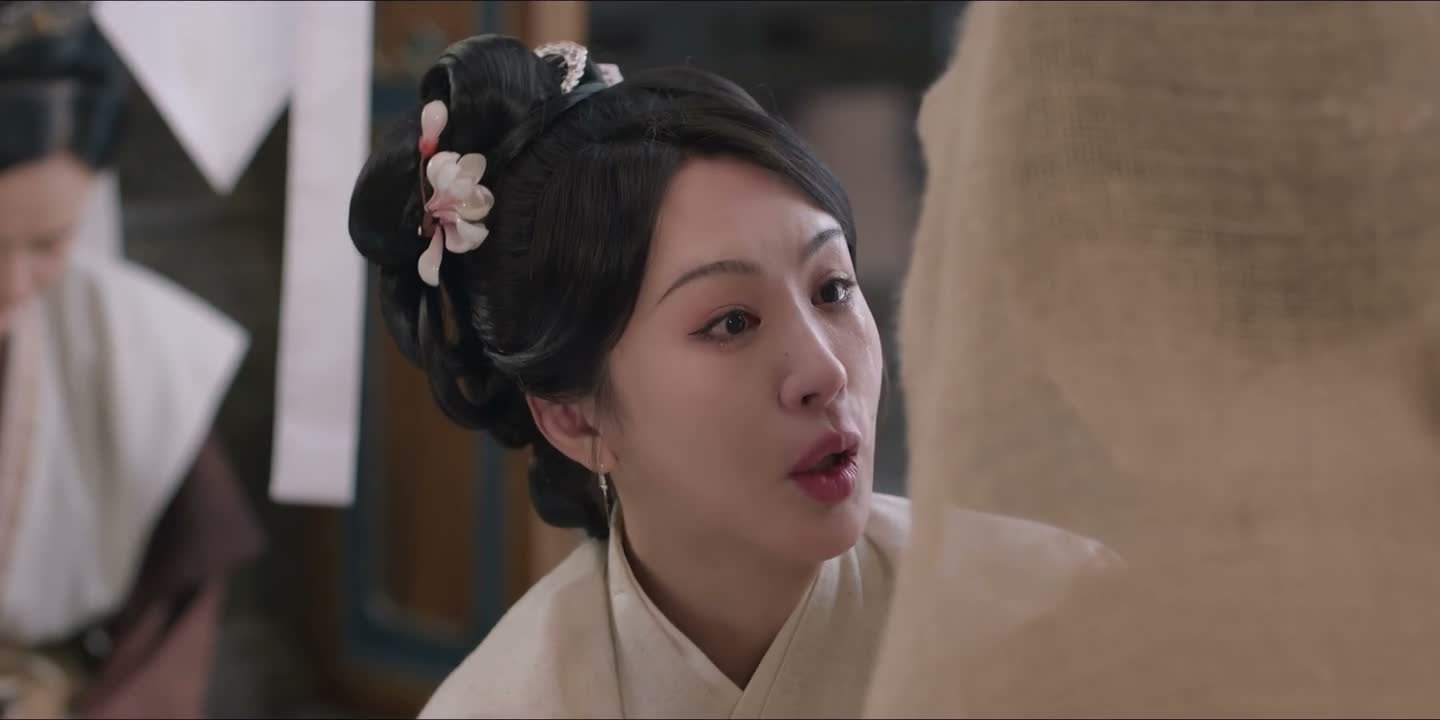
“I won't be by your side anymore. Take good care of yourself.”

“You two live well together from now on.”

“Unmarried ladies like us should pay more attention to state affairs.”
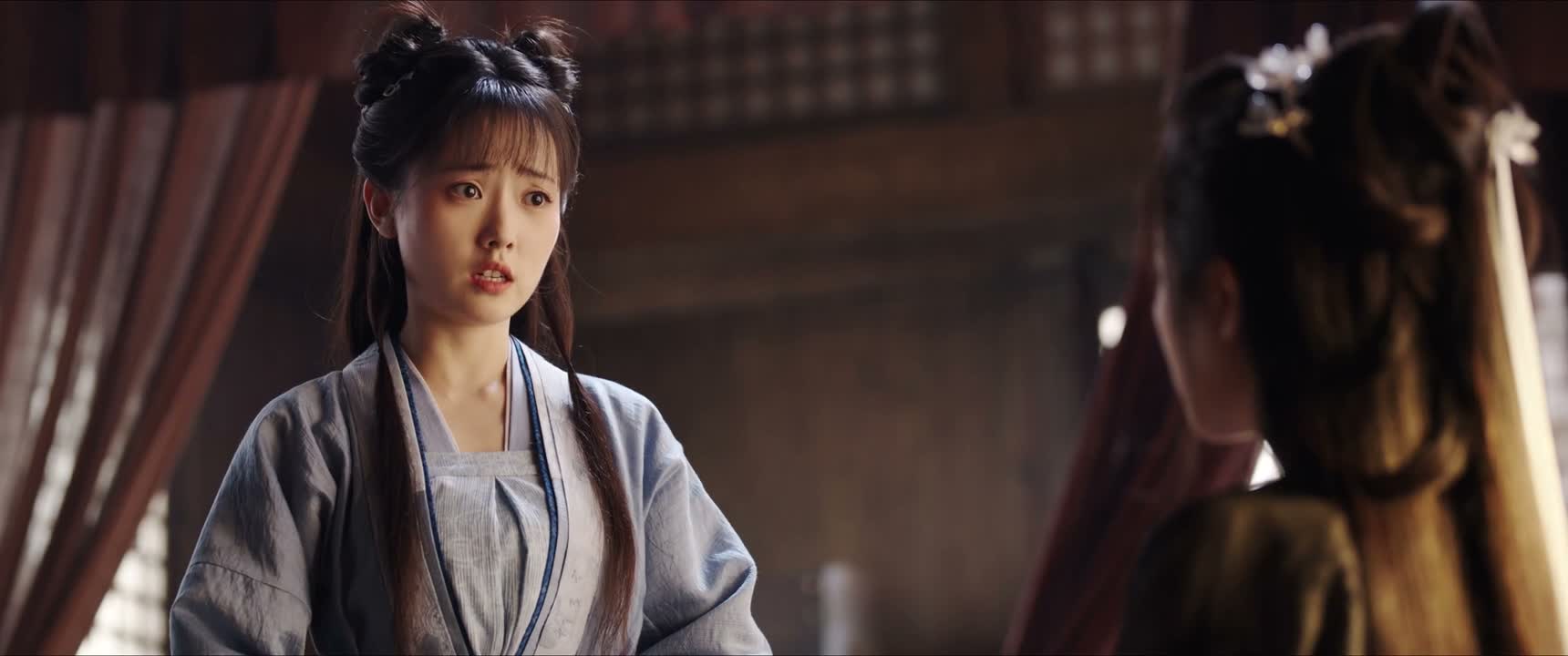
“Her Ladyship had fully recovered.”
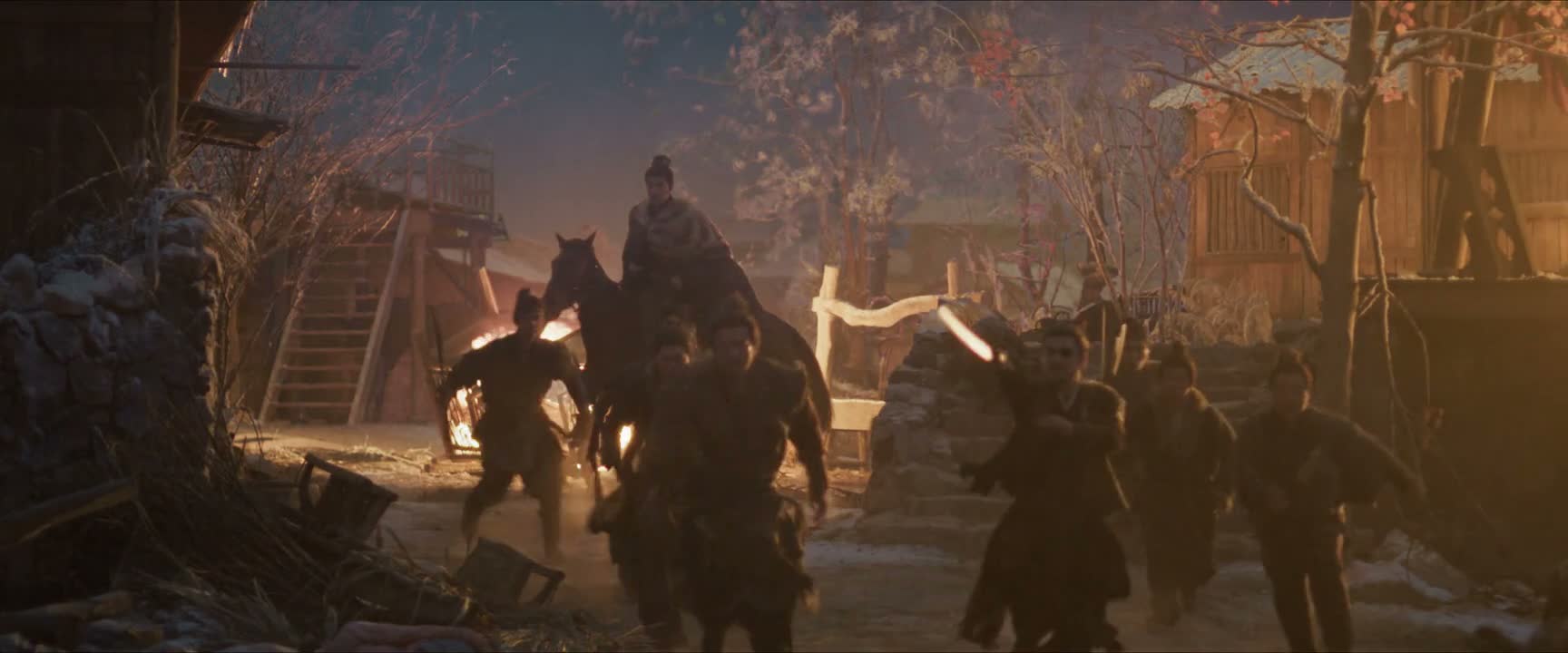
“Only then will Changning and the others be safe.”