可没想到阴差阳错 你把钱都拿去买包了
“I never expected things to turn out this way. You spent all the money on handbags.”
THE DIALOGUE REEL
等你有个归处我再走
“and leave once you had somewhere to stay.”
可没 想到 阴差阳错 你把钱都 拿去 买包 了
“I never expected things to turn out this way. You spent all the money on handbags.”
昨天我又跟哥们凑了十几万 都在这张卡里
“Yesterday I borrowed another hundred thousand plus from my friends. It's all in this card.”
“I sacrificed a lot to provide for your future, and you squandered it on vanity, but I still cannot bring myself to give up on you.”
In intimate Chinese relationships, speakers often invoke fate or bizarre twists of fortune to mention a partner's irresponsible actions without directly accusing them of bad character.
LEARNING CHUNKS & PARTICLES
unexpectedly; who would have thought
Commonly placed at the beginning of a clause to express surprise or disbelief at an unforeseen turn of events.
through a bizarre series of coincidences; due to an unfortunate twist of fate
An idiom often used to soften blame by attributing a mistake or misunderstanding to external circumstances rather than direct fault.
to take (something) to use for
Used in spoken Chinese to describe taking a resource such as money or time and applying it toward an action.
Marks the completion of an action and signals a new state of affairs that has surprised the speaker.
VOCABULARY & EXPRESSIONS
Parallel Spoken Cinema Scenes (语义近邻切片)

“A minor mishap from an unexpected twist,”
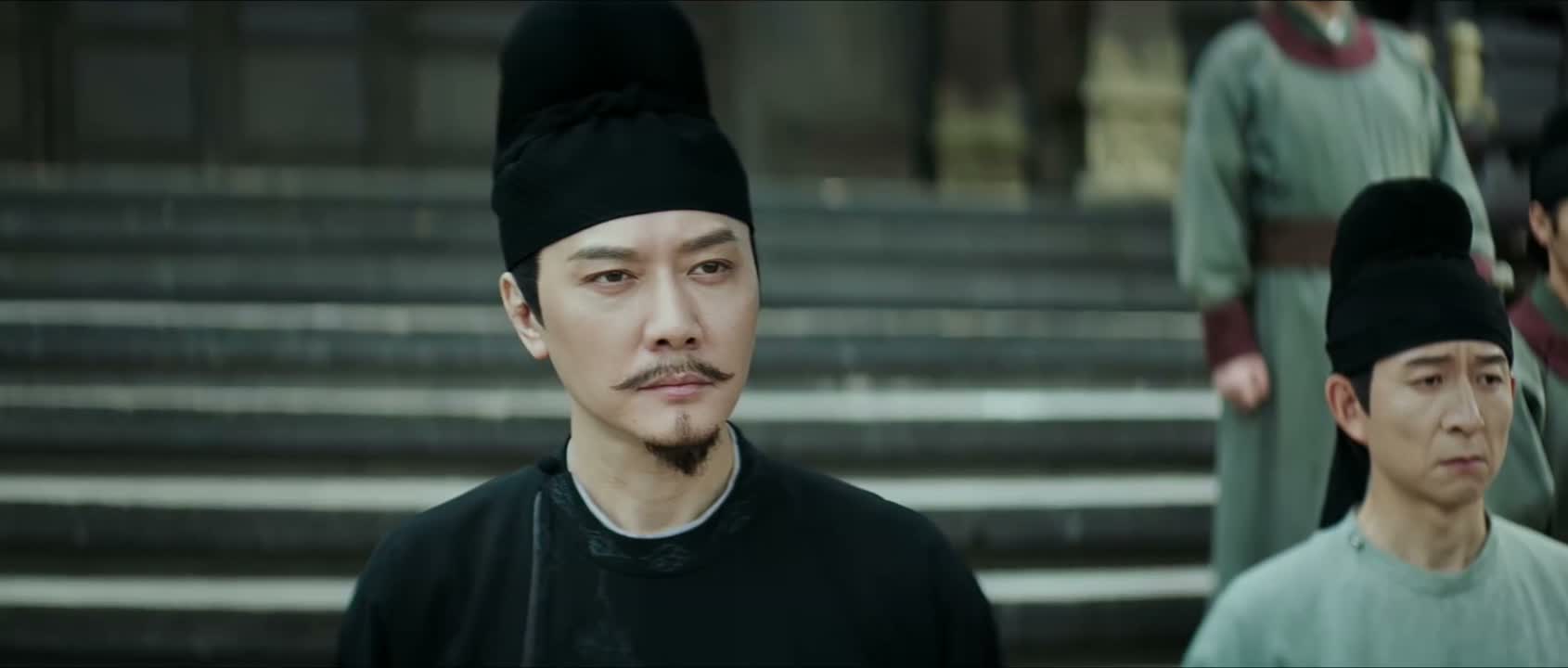
“And by a twist of fate,”

“[Ye] How did I, by some twist of fate, end up leading troops?”

“It was just a coincidence.”
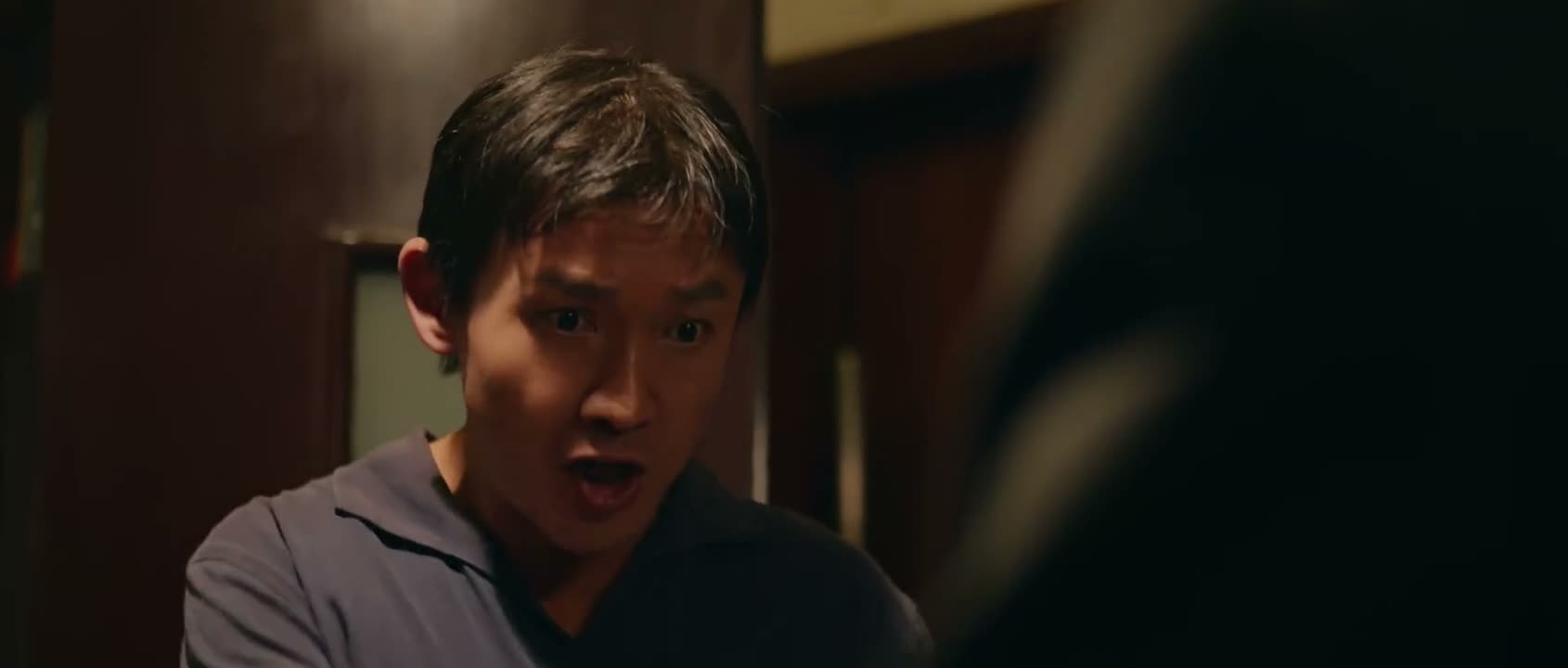
“Today, if you don't clear up the money issue”

“Life's twists and turns—”