两清了 好 两清了两清了
“Then we're even. Deal. We're even.”
THE DIALOGUE REEL
行吧行吧行吧 就当是还你午饭的人情了啊
“All right. Let's call it repayment for that lunch you bought me.”
两清了 好 两清了 两清了
“Then we're even. Deal. We're even.”
我的钱终于回来了
“My money's finally coming back.”
“Great, neither of us owes the other anything anymore, so don't bring this up again.”
While Chinese social culture values reciprocal favor exchange (renqing), close friends or colleagues often prefer explicit settlement ('liang qing') to avoid uncomfortable feelings of indebtedness.
LEARNING CHUNKS & PARTICLES
we are all even; the score is settled
Commonly used in informal speech after repaying a debt, returning a favor, or finishing a mutual exchange to confirm neither party owes anything.
Indicates a completed change of state, stressing that the mutual obligations are now officially terminated.
VOCABULARY & EXPRESSIONS
Parallel Spoken Cinema Scenes (语义近邻切片)

“We don't owe each other anything anymore.”
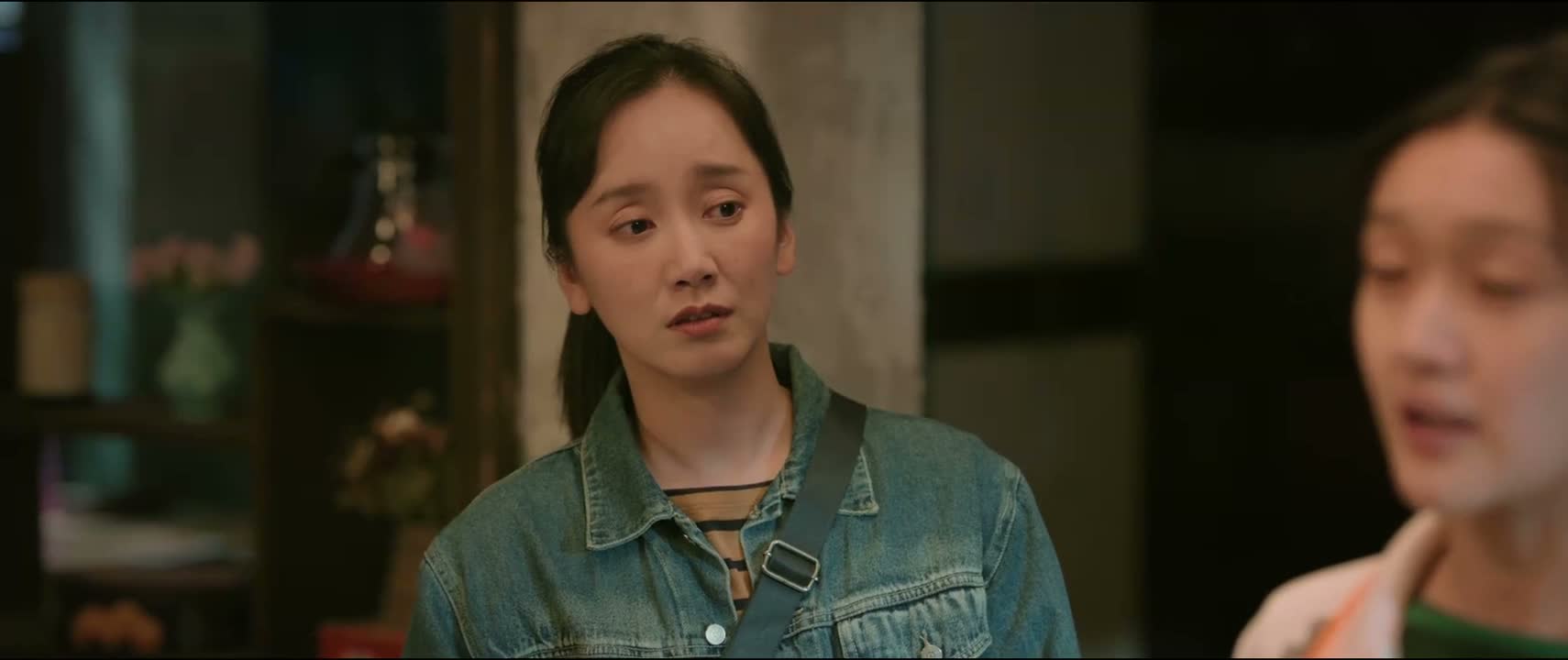
“We're even now. I don't owe her anything.”

“(Li Yifei) (I don't like owing people. We're even now.)”
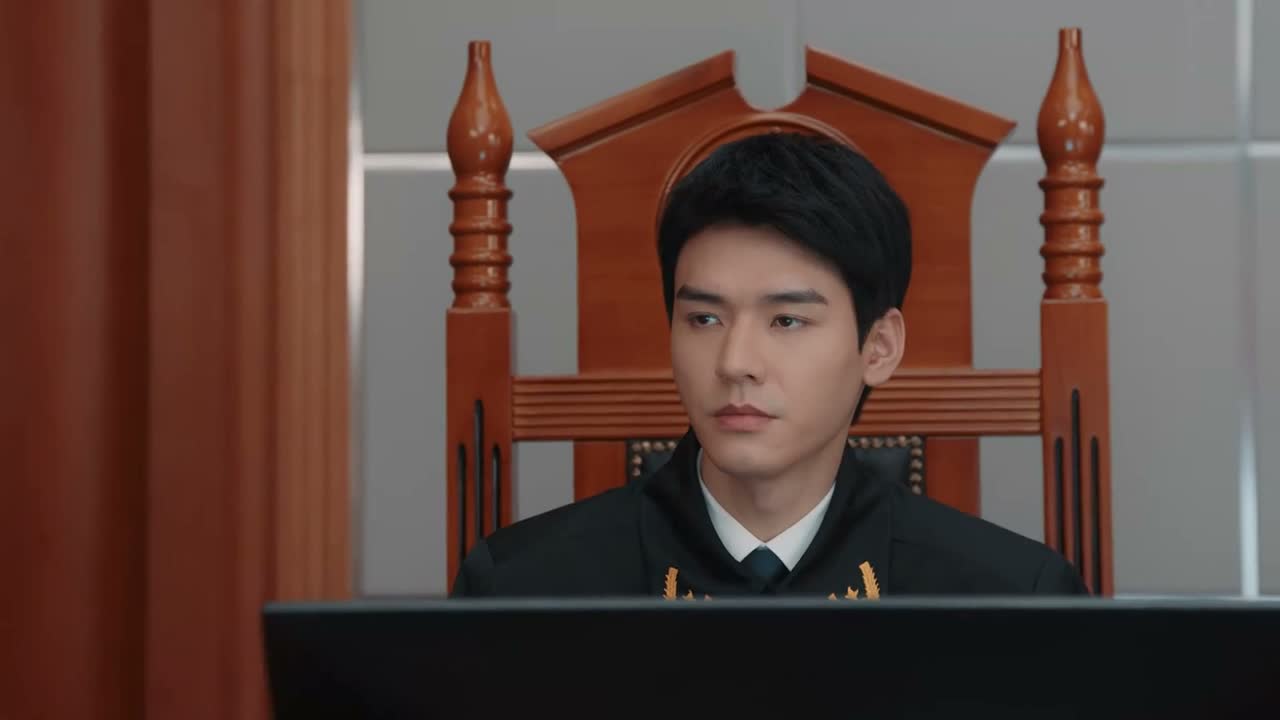
“we'll consider the matter settled.”