我不喜欢欠着别人 两清了
“(Li Yifei) (I don't like owing people. We're even now.)”
THE DIALOGUE REEL
“Why did I even reply to him? Why am I being polite to someone like him?”
我不喜欢 欠着别人 两清了
“(Li Yifei) (I don't like owing people. We're even now.)”
你好 你好
“Hello. Hello.”
“Take this and let's have nothing more to do with each other.”
In Chinese culture, owing favors (欠人情) binds people in prolonged social reciprocity. Stating '两清' (we are even) is often a deliberate social cut-off to avoid unwanted social entanglements.
LEARNING CHUNKS & PARTICLES
to be even; all square
Commonly used in interpersonal disputes or transactions when one party wants no lingering mutual obligations.
to owe (a favor, money, or debt)
Refers to ongoing indebtedness, either financial or emotional (renqing).
Indicates completion and the establishment of a new state where neither side owes the other anything.
VOCABULARY & EXPRESSIONS
Parallel Spoken Cinema Scenes (语义近邻切片)
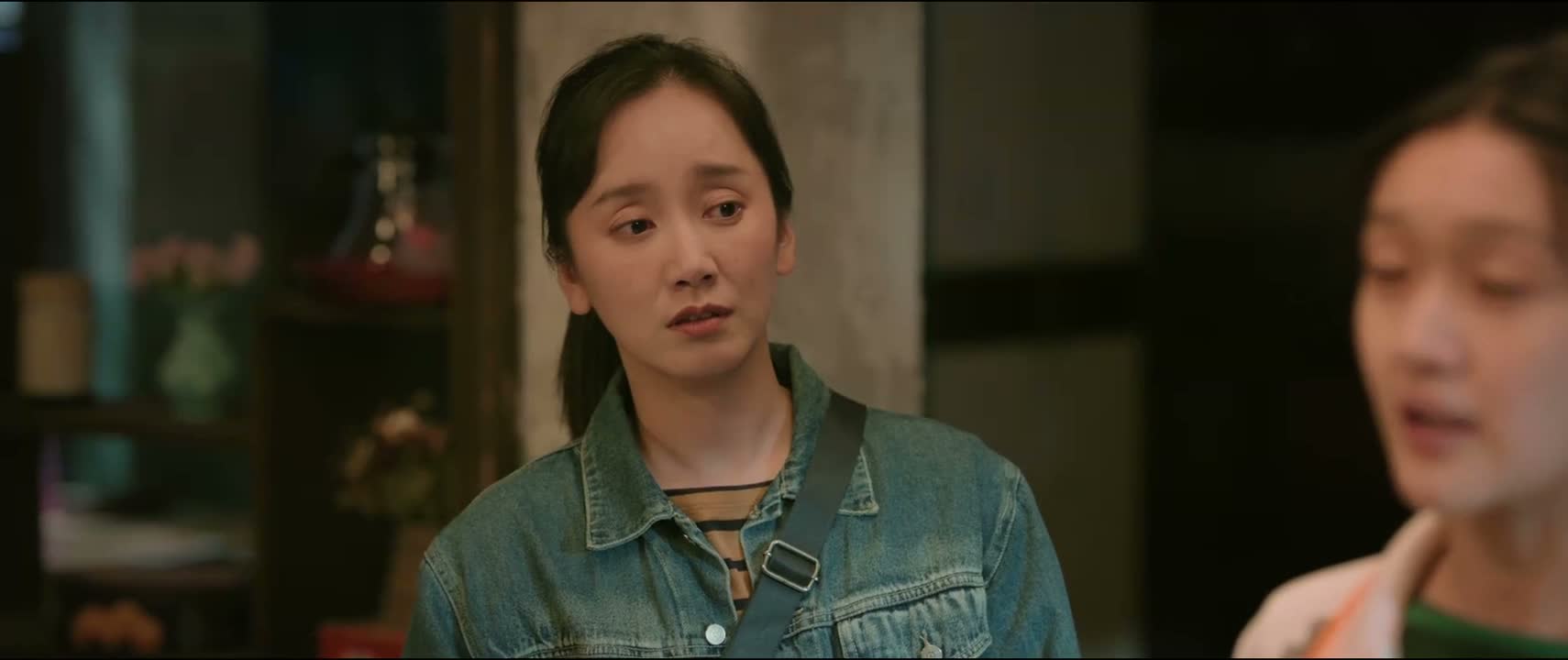
“We're even now. I don't owe her anything.”

“Then we're even. Deal. We're even.”
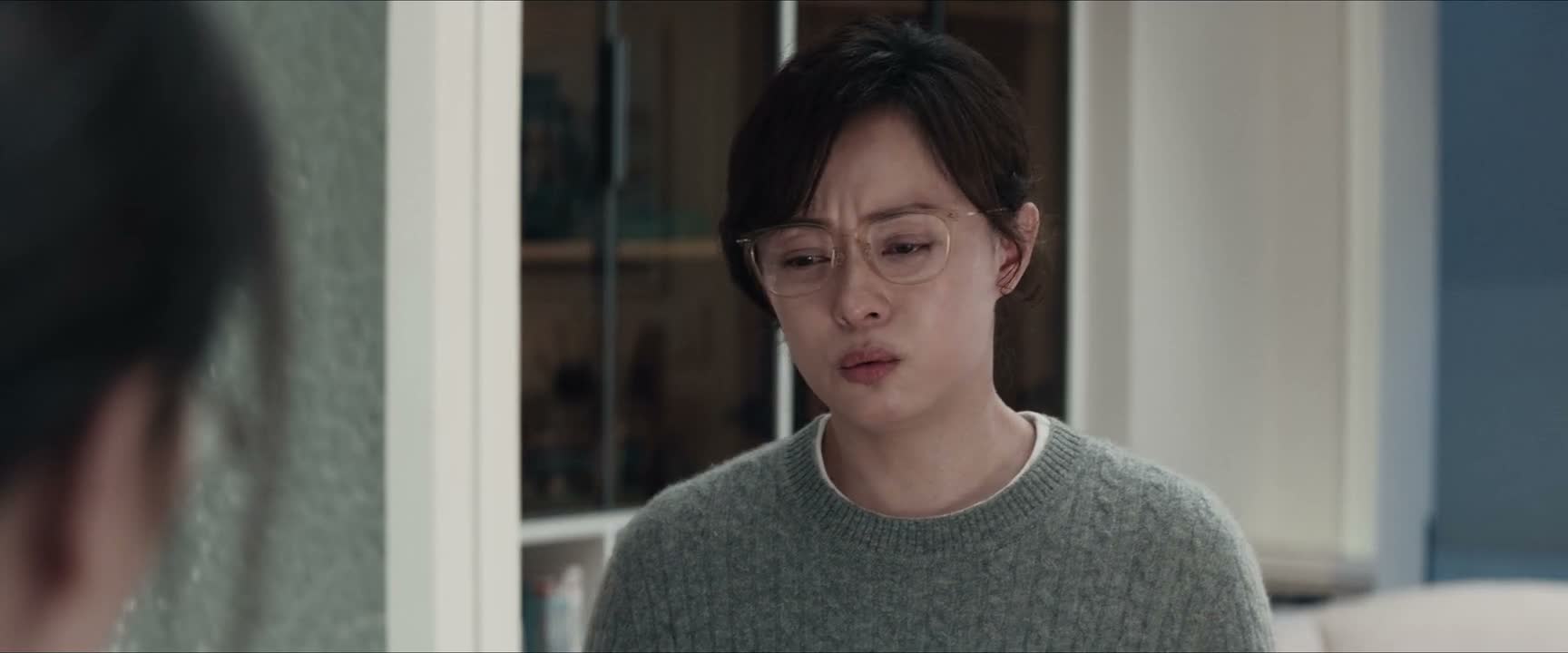
“I really don't want to owe anyone any favor anymore.”