这档子口谁有空啊 那个小黑板排班表我都看了
“Who else is free now? I've seen the schedule on the blackboard.”
THE DIALOGUE REEL
“Forget about it. I still have a few court cases to attend to the whole day.”
这档子口 谁有 空啊 那个 小黑板排班表 我都看了
“Who else is free now? I've seen the schedule on the blackboard.”
大家今天都满满当当的
“Everyone's schedule is full today.”
“Don't bother looking for help—everyone is completely swamped right now.”
Using rhetorical questions about collective workload ('who has time?') allows speakers to decline requests objectively without appearing personally uncooperative.
LEARNING CHUNKS & PARTICLES
at this particular juncture or crucial moment
Colloquial Northern Chinese phrase used to highlight an inconvenient or critical timing.
who has time?
A rhetorical question strongly implying that absolutely no one is available.
Adds emotional emphasis to the rhetorical question, signaling exasperation.
VOCABULARY & EXPRESSIONS
Parallel Spoken Cinema Scenes (语义近邻切片)
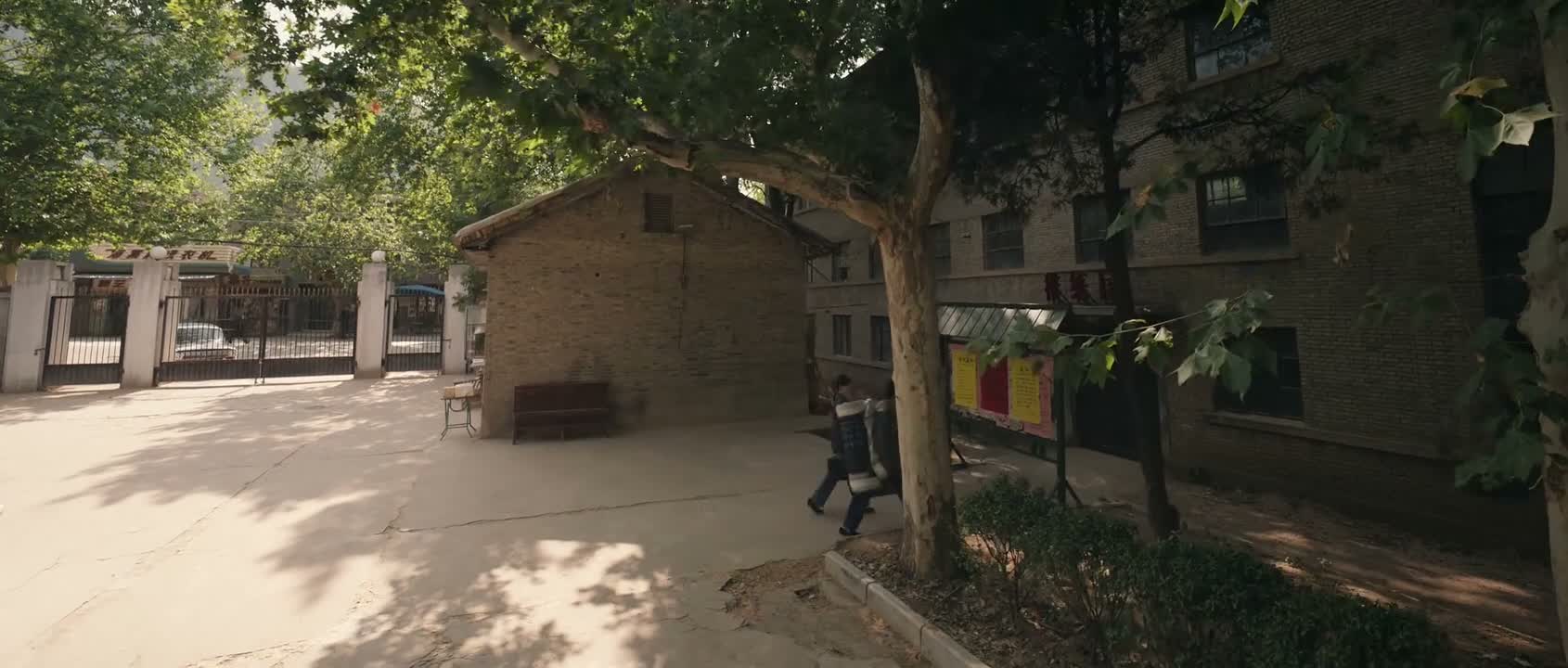
“Why is the rehearsal hall empty too?”

“Think about it— why is he rushing”

“he wouldn't have been bored enough to do that stupid thing. He'd been unsociable since childhood.”

“Are you two going out for something fun after work?”

“Who would go out of their way to force a man hooked up to tubes”

“What's up? Ticket? Buddy, got it cleared.”