孩子没事吧 没事吧 阿吉 谢谢啊 没事吧
“Is the kid okay? Are you okay, Ji? Thank you. Are you okay?”
THE DIALOGUE REEL
“Be careful. Be careful. Over here. We found him. Found him.”
孩子 没事吧 没事吧 阿吉 谢谢啊 没事吧
“Is the kid okay? Are you okay, Ji? Thank you. Are you okay?”
“Thank you so much.”
Direct spoken expression in this communicative setting.
In high-stress situations, rapid repetition of phrases like '没事吧' demonstrates intense emotional agitation, deep familial concern, and immediate relief.
LEARNING CHUNKS & PARTICLES
Are you okay? Is everything all right?
The standard spoken Chinese expression used to inquire about someone's condition following an accident or fright.
thanks; thank you
A casual and spoken expression of gratitude softened by the sentence-final particle '啊'.
Softens the inquiry, seeking confirmation with genuine concern and hope for safety.
Adds warmth and natural spoken emphasis to the gratitude.
VOCABULARY & EXPRESSIONS
Parallel Spoken Cinema Scenes (语义近邻切片)

“Are you alright? I'm fine.”
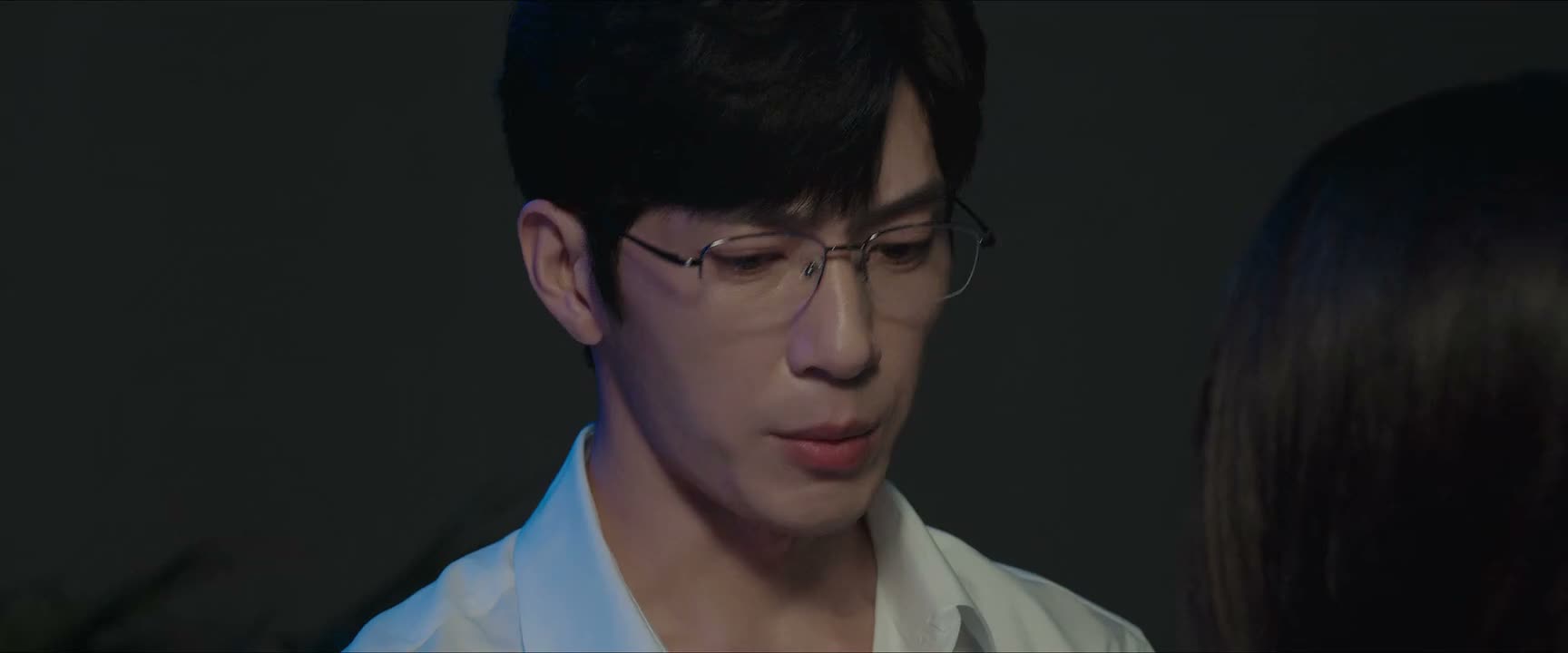
“Are you okay? I'm fine.”

“I'm fine. Don't worry.”
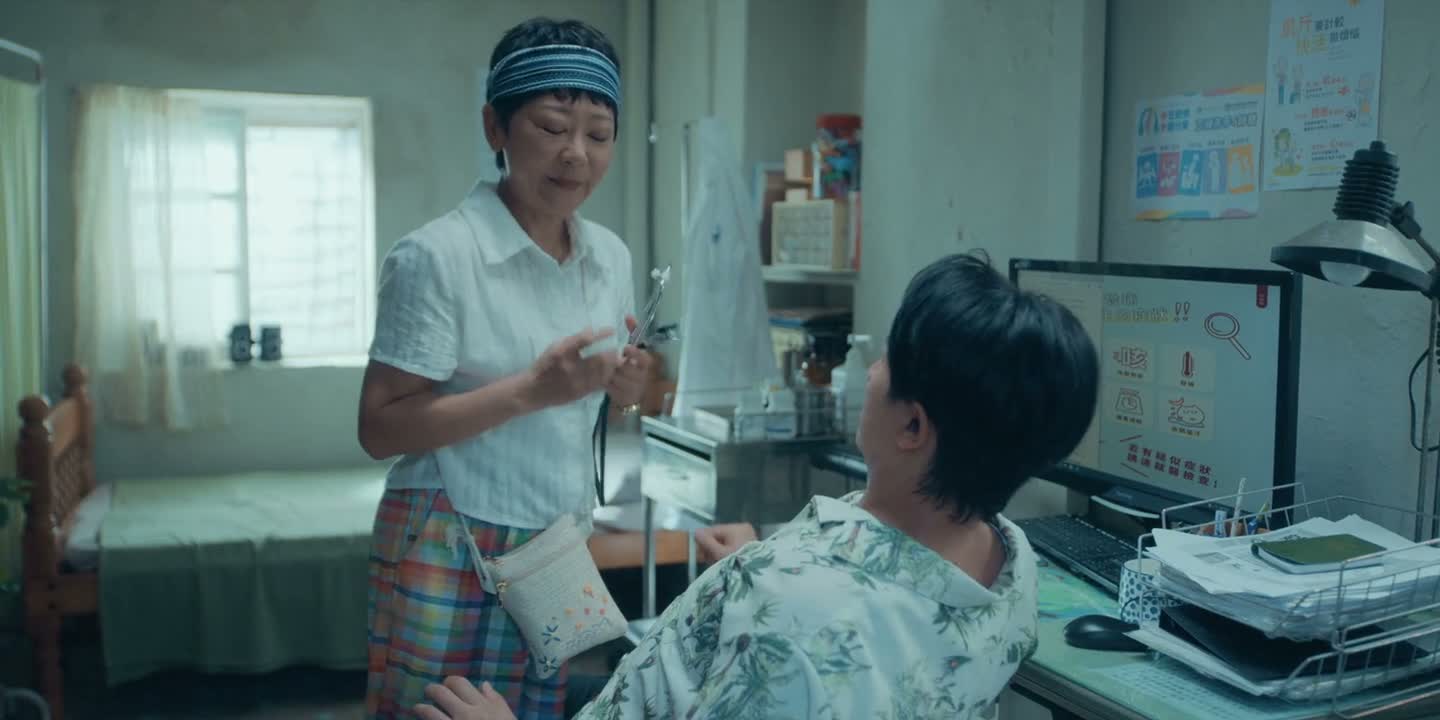
“Alright, you look great too.”

“I'm fine. Good.”

“Are you alright? Are you alright?”