我 我终究说得晚了
“I said it too late after all.”
THE DIALOGUE REEL
晚了
“Too late.”
我 我终究 说得晚了
“I said it too late after all.”
八爷
“Eighth Master Li,”
“I should have spoken up sooner; everything is ruined because of my hesitation.”
In Chinese narrative culture, acknowledging one's failure to intervene in time highlights moral integrity and loyalty toward one's superior or group.
LEARNING CHUNKS & PARTICLES
after all; in the end
Use this adverb to emphasize an inevitable outcome or a realization that occurred despite previous hopes.
spoke too late
A common structure using the potential/manner complement to express regret about timing.
Indicates a completed change of state and reinforces the irreversible reality of being too late.
VOCABULARY & EXPRESSIONS
Parallel Spoken Cinema Scenes (语义近邻切片)

“We were still too late.”

“But I repeat my mistake again.”

“I forgot that even being one moment late”

“Sooner or later we all have to pay for what we've done.”
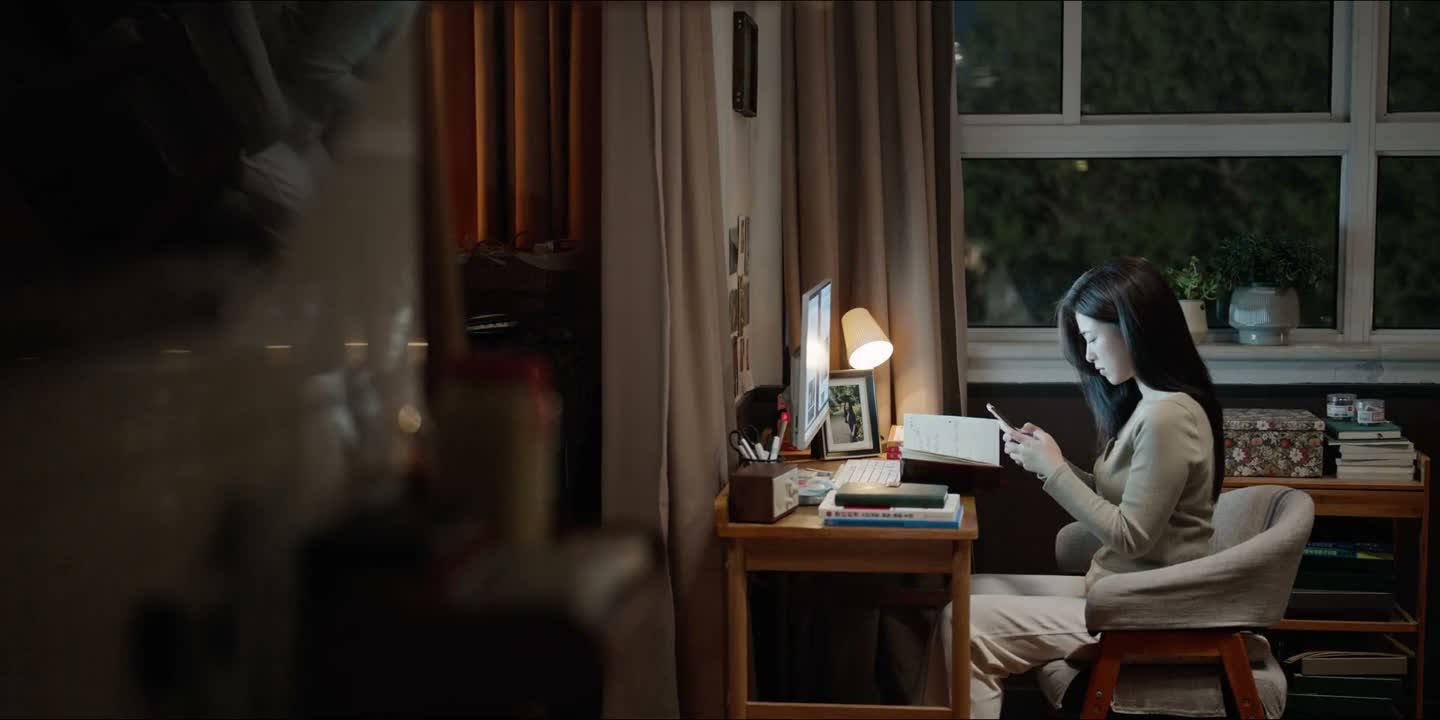
“[It's too late. Let's do it another day.] [Xu Miyu]”

“I-I said harsh things.”