MC
MandarinClips Cinema Corpus
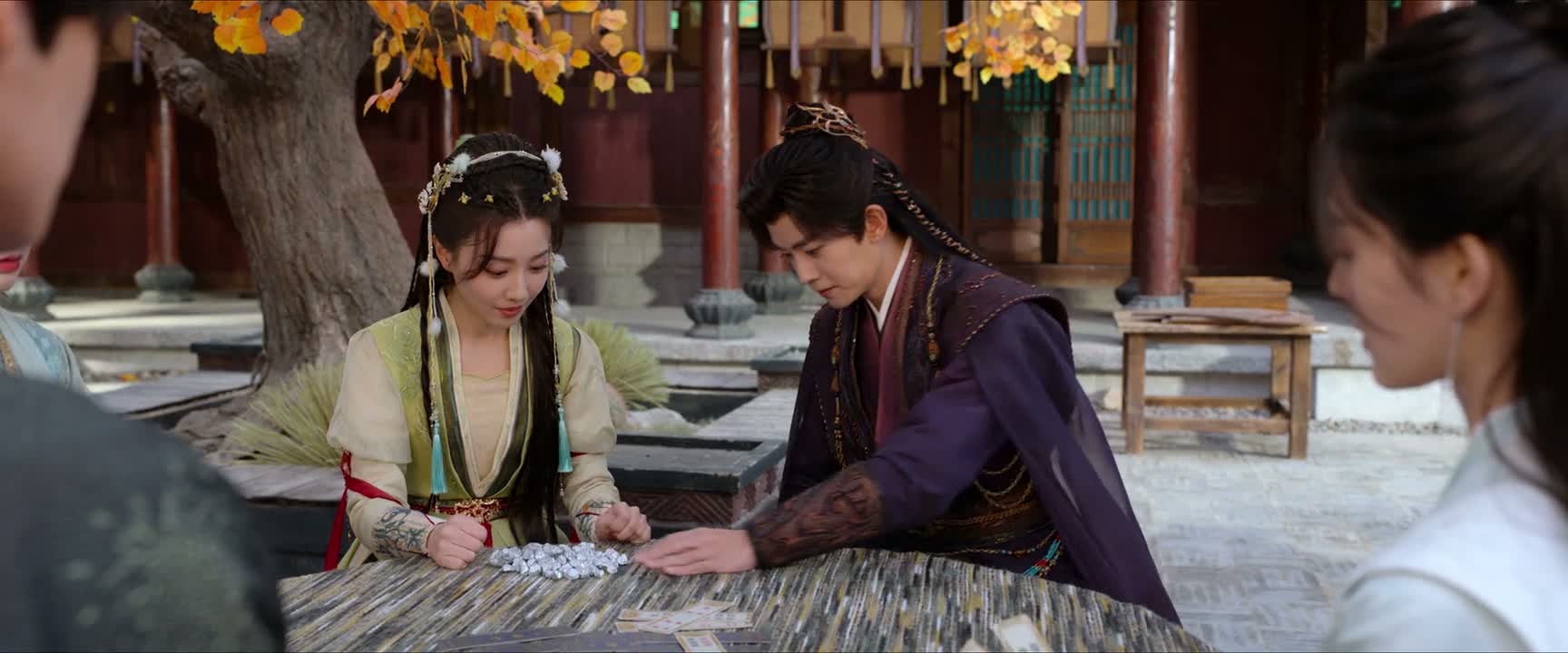
《Love Story in the 1970s》 S1·E11 (09:06) HSK 1
bù wán bù wán le bié bié hái yǒu hǎo jǐ bù ne

不玩不玩了 别别 还有好几步呢

“I'm done. Come on, there are still moves left.”

《Love Story in the 1970s》 S1·E11
TIMECODE: 09:06 · 1080P MASTER AUDIO

THE DIALOGUE REEL

1+1+1 SPOKEN CONTINUITY
[-1] PREVIOUS TURN jiāng jūn le

将军了

“Checkmate.”

bù wán bù wán le bié bié hái yǒu hǎo jǐ bù ne CURRENT FOCUS

不玩不玩了 别别 还有 好几步 呢

“I'm done. Come on, there are still moves left.”

[+1] FOLLOW-UP TURN zhī dào ér zi jīn tiān huí lái le bù xià qí le

知道儿子今天回来了 不下棋了

“No more chess today because your son comes home?”

Subtitles synced to millisecond timecode Browse Show Clips →
Scene: Daily Life
Function: STOPPING ACTION
Tone: CASUAL
Emotion: EXCITEMENT
WHAT THEY REALLY MEAN (PRAGMATIC SUBTEXT)

Direct spoken expression in this communicative setting.

💡 Cultural Insight: Xiangqi Casual Culture

Street or domestic Chinese chess is a common leisure pastime where players often passionately debate whether a game is truly won or prematurely abandoned.

INTENT TAGS: #quitting #protesting #casual_banter #urging
🧩

LEARNING CHUNKS & PARTICLES

2 CHUNKS · 2 PARTICLES
不玩了 SPOKEN CHUNK

I am not playing anymore; I quit

A very common casual expression used to quit a game, sport, or playful activity.

还有好几步呢 SPOKEN CHUNK

There are still quite a few steps/moves left

Used in board games or planning processes to point out that completion is still far off.

Modal Particle「了」 (le) CHANGE OF STATE

Indicates a change of state, signifying that the speaker no longer wishes to continue playing.

Modal Particle「呢」 (ne) CHANGE OF STATE

Emphasizes the ongoing situation or the substantial number of steps remaining.
🏮

VOCABULARY & EXPRESSIONS

2 EXPR · 2 GRAMMAR
CROSS-CINEMA CORPUS BOARD · PARALLEL SCENES

Parallel Spoken Cinema Scenes (语义近邻切片)

EXPLORE BY SEMANTIC SIMILARITY
《Love Story in the 1970s》 S1·E11 (09:06) · Authentic Cinema Dialogue Corpus