MC
MandarinClips Cinema Corpus
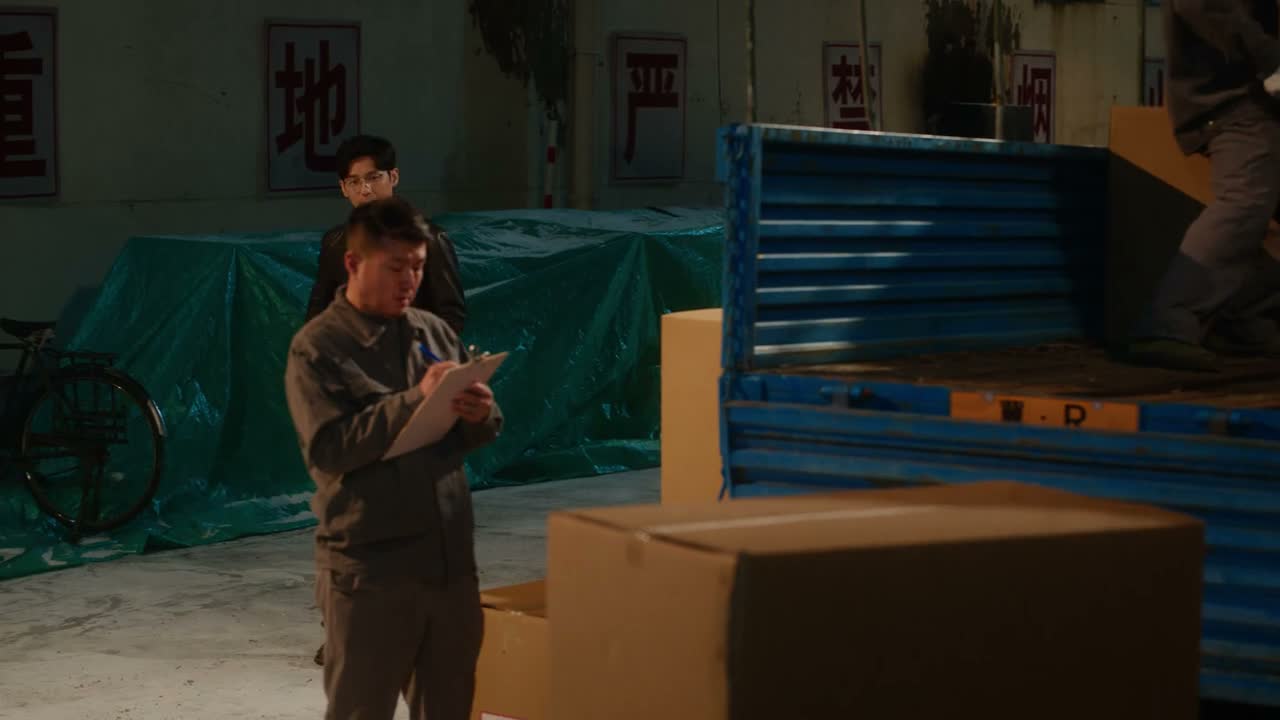
《Love Story in the 1970s》 S1·E11 (06:35) HSK 4
gē xīn kǔ le hái hǎo wǒ lái wǒ lái fāng mù yáng

哥 辛苦了 还好 我来我来 方穆扬

“Hey, Brother. Thanks for coming. - It's nothing. - I've got it. Fang Muyang,”

《Love Story in the 1970s》 S1·E11
TIMECODE: 06:35 · 1080P MASTER AUDIO

THE DIALOGUE REEL

1+1+1 SPOKEN CONTINUITY
[-1] PREVIOUS TURN nī nī

妮妮

“Ni.”

gē xīn kǔ le hái hǎo wǒ lái wǒ lái fāng mù yáng CURRENT FOCUS

哥 辛苦了 还好 我来我来 方穆扬

“Hey, Brother. Thanks for coming. - It's nothing. - I've got it. Fang Muyang,”

[+1] FOLLOW-UP TURN nǐ bāng wǒ bǎ xíng lǐ xiān sòng huí jiā wǒ qù bàn diǎn shì

你帮我把行李先送回家 我 去办点事

“take my luggage home first. I need to run an errand.”

Subtitles synced to millisecond timecode Browse Show Clips →
Scene: Travel & Transit
Function: GREETING AND OFFERING HELP
Tone: WARM
Emotion: CARING
WHAT THEY REALLY MEAN (PRAGMATIC SUBTEXT)

Direct spoken expression in this communicative setting.

💡 Cultural Insight: Hospitality and Care (Ke Qi & Ti Tie)

Offering to carry luggage and acknowledging travel fatigue with '辛苦了' reflects deep familial consideration and attentiveness in Chinese everyday etiquette.

INTENT TAGS: #welcoming #offering_help #solicitude #reunion
🧩

LEARNING CHUNKS & PARTICLES

2 CHUNKS · 1 PARTICLES
辛苦了 SPOKEN CHUNK

you've worked hard / you must be exhausted

The standard Chinese polite formula used to acknowledge someone's physical effort, journey, or labor.

我来我来 SPOKEN CHUNK

let me do it / allow me

Repeated spoken phrase used to eagerly take over a chore or physical burden from someone else as a sign of attentiveness.

Modal Particle「了」 (le) CHANGE OF STATE

Functions as a marker completing the conventional fixed social greeting '辛苦了'.
🏮

VOCABULARY & EXPRESSIONS

3 EXPR · 0 GRAMMAR
CROSS-CINEMA CORPUS BOARD · PARALLEL SCENES

Parallel Spoken Cinema Scenes (语义近邻切片)

EXPLORE BY SEMANTIC SIMILARITY
《Love Story in the 1970s》 S1·E11 (06:35) · Authentic Cinema Dialogue Corpus