我来我来
wǒ lái wǒ láiCommon spoken expression used by native Chinese speakers in daily life.
[Scene: 其他场景]
(4 clips) 00:02
 00:02
(坐炉子旁边吧 暖和点 林县长是发扬风格) ── Previous context
“-He's given his own cow dung -Let me do it. to the County Primary School.”
 00:02
(不好意思啊 小姐我来就行 不好意思啊) ── Previous context
“Let me. Let me handle it. Are you alright, miss? I'm fine.”
 00:02
[Scene: 餐饮美食]
(3 clips) 00:03
(花姨 你放那儿吧 我弄吧 没事) ── Previous context
“It's fine, think I'm really drunk? Let me do it.”
 00:03
(你来一根嘛 来一根嘛 我戒烟好多年了 那) ── Previous context
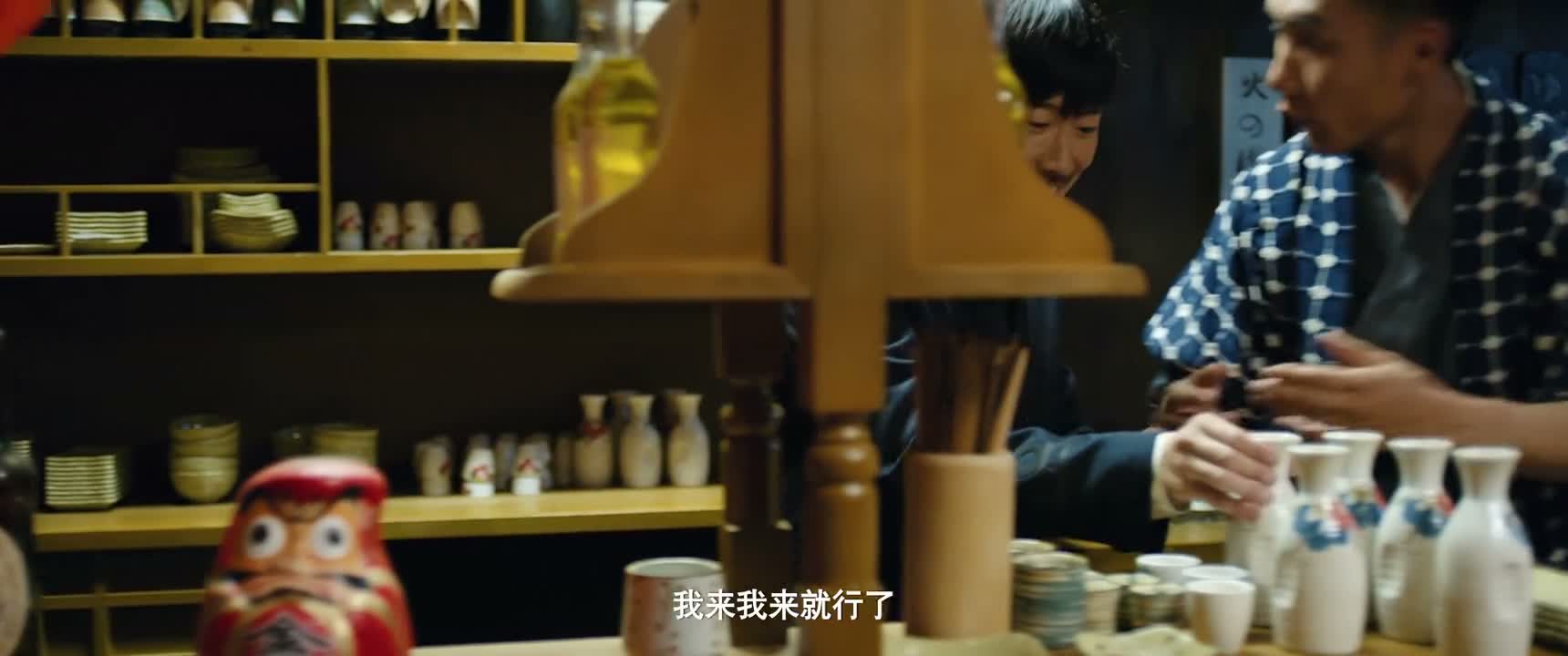
“Then... then let's drink. - Alright. - Come on. Let me do it.”
 00:03
[Scene: 家庭日常]
(3 clips) 00:02
 00:02
(罚坐呀 等你呢 等你呢 拎那么多菜累不累) ── Previous context
“Was carrying all those groceries tiring? Here, let me help. Why were you waiting for me?”
 00:03
(不辛苦 妈) ── Previous context
“Come in. Come in and sit. Right. I got it. I got it.”
[Scene: 其他场景]
(1 clips) 00:03
[Scene: 社交聚会]
(1 clips) 00:03
(这太肉麻了这个 鹿鹿 鹿鹿 下一个下一个) ── Previous context
“My turn. I thought you wanted to cry.”
[Scene: 出行交通]
(1 clips) 00:03
(妮妮) ── Previous context
“Hey, Brother. Thanks for coming. - It's nothing. - I've got it. Fang Muyang,”
[Scene: 职场工作]
(1 clips) 00:02
📌 没事
→Nuance: 表达主动帮忙且更具体客气
📌 没事
→Nuance: 主动揽下事情,意图和表达一致
📌 来来来
→Nuance: 主动抢着承担动作的口语变体
📌 来来来
→Nuance: 劝酒动作为主,核心意图一致
📌 不好意思
→Nuance: 主动接揽当前任务
📌 是吧
→Nuance: 同向近义词根配对: [打架 ↔ 动手]
📌 好意思
→Nuance: 主动接揽当前任务
📌 没事儿
→Nuance: 主动接揽当前任务