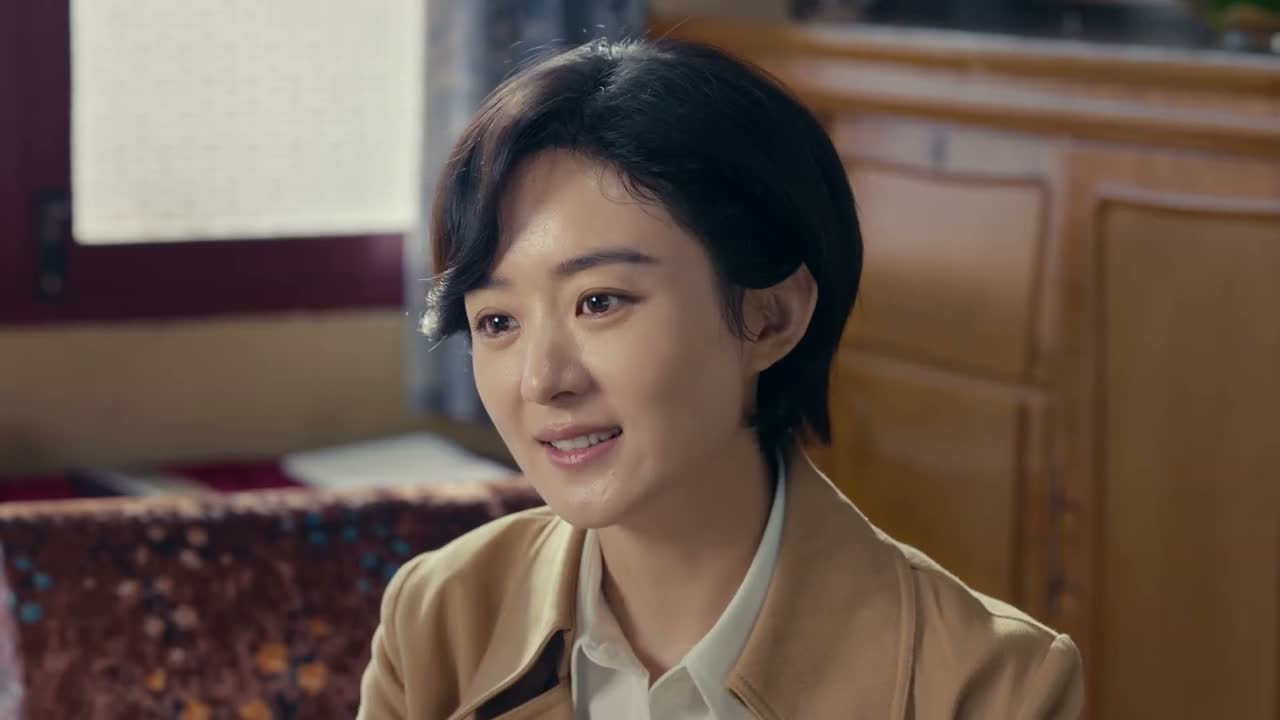
《Love Story in the 1970s》 S1·E11 (22:56)
HSK 6
wǒ zhì yú chéng xiàn zài zhè yàng ma
我至于成现在这样吗
“would I be living like this now?”
《Love Story in the 1970s》
S1·E11
TIMECODE: 22:56
·
1080P MASTER AUDIO
THE DIALOGUE REEL
[-1] PREVIOUS TURN
wǒ yào shì dāng chū wǒ gēn nà ge luó yù fēn jié le hūn
我要是当初 我跟那个罗玉芬结了婚
“If I had married Luo Yufen instead,”
wǒ zhì yú chéng xiàn zài zhè yàng ma
CURRENT FOCUS
我 至于 成现 在这 样吗
“would I be living like this now?”
[+1] FOLLOW-UP TURN
rén jiā luó yù fēn xiàn zài dōu shì wén huà kǒu de lǐng dǎo le
人家罗玉芬现在都是 文化口的领导了
“Luo Yufen is now a leader in the cultural bureau.”
Subtitles synced to millisecond timecode
Browse Show Clips →
Scene:
Daily Life
Function:
VENTING FRUSTRATION
Tone:
INDIGNANT
Emotion:
REGRET
WHAT THEY REALLY MEAN (PRAGMATIC SUBTEXT)
“I wouldn't be living such a pathetic life right now if I had made the right choice back then.”
💡 Cultural Insight: Marital Social Mobility
Reflects the common societal reflection in China where one's life trajectory and status are heavily linked to spouse selection and political/social connections.
INTENT TAGS:
#regret
#lamenting
#complaining
#rhetorical_question
🧩
2 CHUNKS · 1 PARTICLES
LEARNING CHUNKS & PARTICLES
至于
SPOKEN CHUNK
to go so far as to / to end up (in a state)
Frequently used in rhetorical questions to emphasize that an outcome should not have happened.
成现在这样
SPOKEN CHUNK
end up like this
Commonly used to describe an unfavorable or pitiful current state.
Modal Particle「吗」 (ma)
CHANGE OF STATE
Marks the sentence as a rhetorical question, reinforcing the negative assertion.
🏮
2 EXPR · 0 GRAMMAR
VOCABULARY & EXPRESSIONS
COLLOQUIAL EXPRESSIONS:
CROSS-CINEMA CORPUS BOARD · PARALLEL SCENES
EXPLORE BY SEMANTIC SIMILARITY
Parallel Spoken Cinema Scenes (语义近邻切片)
《Love Story in the 1970s》 S1·E11 (22:56) · Authentic Cinema Dialogue Corpus