这么晚还能写生啊
“You can sketch this late?”
THE DIALOGUE REEL
写生
“Sketching.”
这么晚还能 写生啊
“You can sketch this late?”
观察夜间动物
“Observing nocturnal animals.”
“It is pitch black outside—who on earth goes sketching at midnight? What are you really doing?”
In casual Chinese conversation, questioning the feasibility of an alibi with rhetorical particles is a polite way to voice suspicion without outright accusing someone of lying.
LEARNING CHUNKS & PARTICLES
this late / at such a late hour
A common temporal phrase used to question someone's schedule or activities.
sketch or paint from nature / life drawing
Specifically refers to artists painting outdoors or directly observing real-life scenes.
Softens the rhetorical question while signaling genuine surprise or mild disbelief.
VOCABULARY & EXPRESSIONS
Parallel Spoken Cinema Scenes (语义近邻切片)

“Getting back this late?”
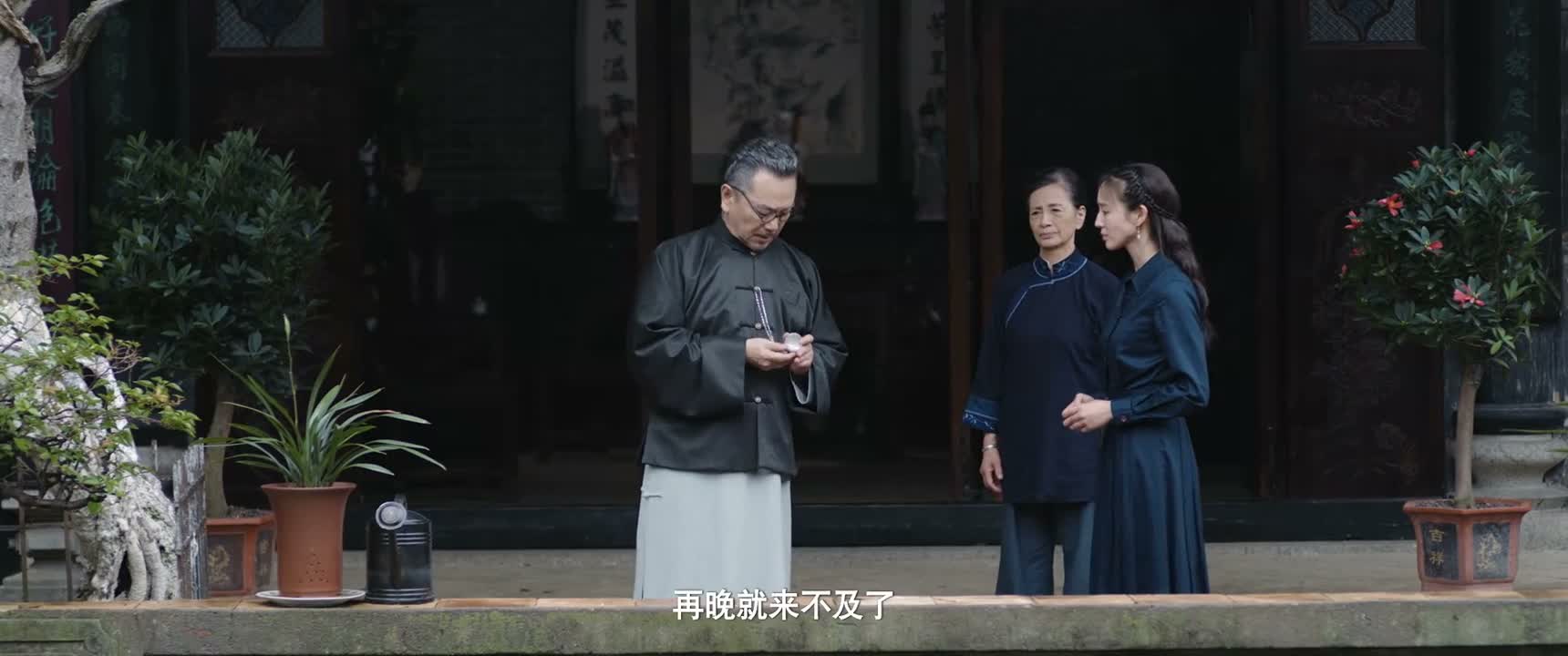
“Any later and it'll be too late.”
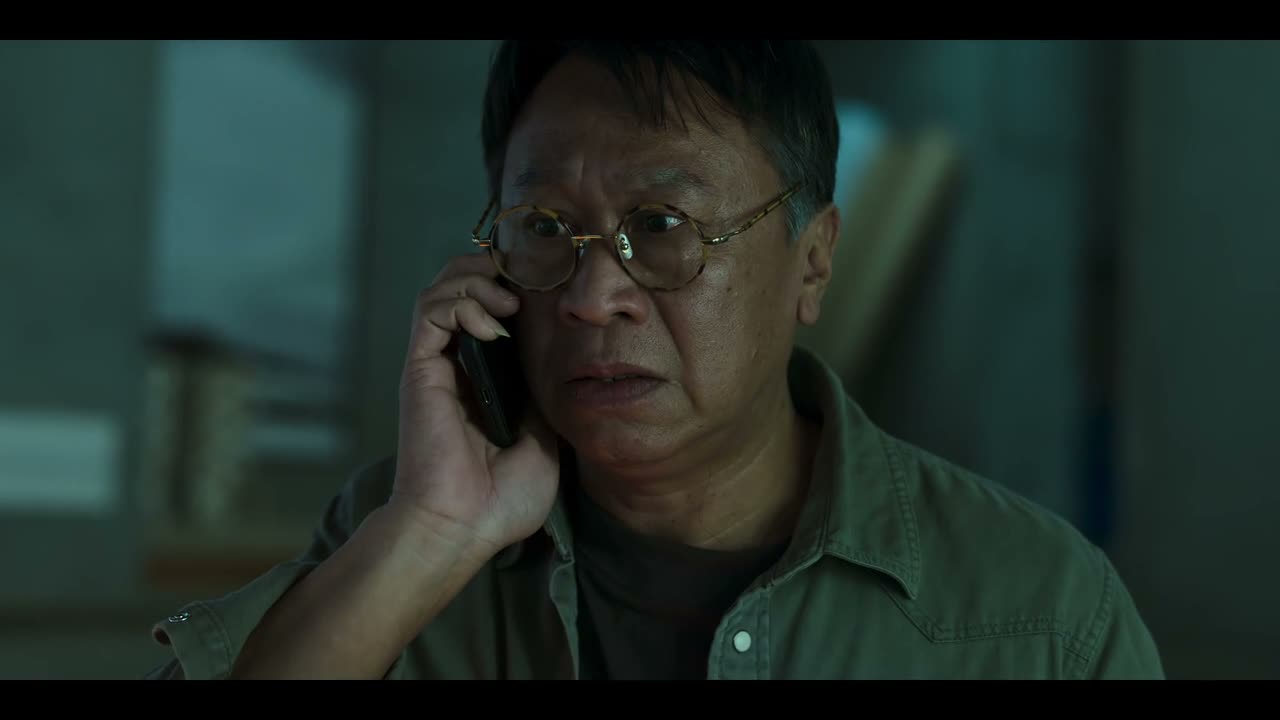
“Go now, or it will be too late.”

“We'll miss it. Haven't finished yet.”

“Can you stay up tonight?”
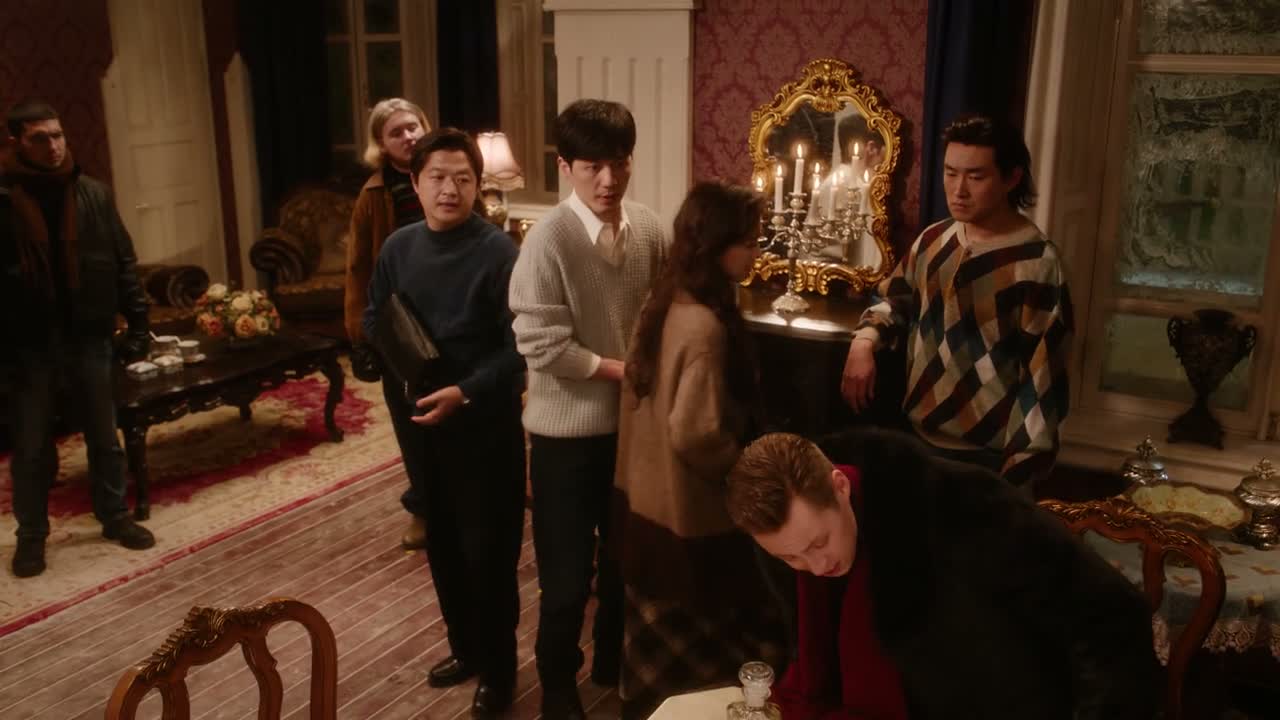
“But it's a bit too late, isn't it?”