走了 别老顾着上班 照顾自己啊 你多穿点
“Let's go. Don't just focus on work. Take care of yourself. Wear more clothes.”
THE DIALOGUE REEL
“I work like a dog all day. I have no spare time to go singing. Just head back.”
走了 别老顾着上班 照顾自己 啊 你 多穿点
“Let's go. Don't just focus on work. Take care of yourself. Wear more clothes.”
你老了你就都得得关节炎 大眼睛 帮我照顾好文静
“Or you'll get arthritis when you're old. Big Eyes. Take good care of Wenjing for me.”
Direct spoken expression in this communicative setting.
In Chinese relationships, affection is rarely stated through verbal declarations like 'I love you', but through repetitive, physical well-being advice such as urging someone to dress warmly or eat properly.
LEARNING CHUNKS & PARTICLES
only paying attention to; solely preoccupied with
Commonly used in negative imperatives like 别老顾着... to urge someone not to neglect other important aspects of life.
dress warmly; put on more clothes
A classic, ubiquitous Chinese expression of practical care and affection among close friends and family members.
Softens the imperative to sound like an affectionate, gentle reminder rather than a strict command.
VOCABULARY & EXPRESSIONS
Parallel Spoken Cinema Scenes (语义近邻切片)

“I have to get to work. Let's each get on with our own day.”
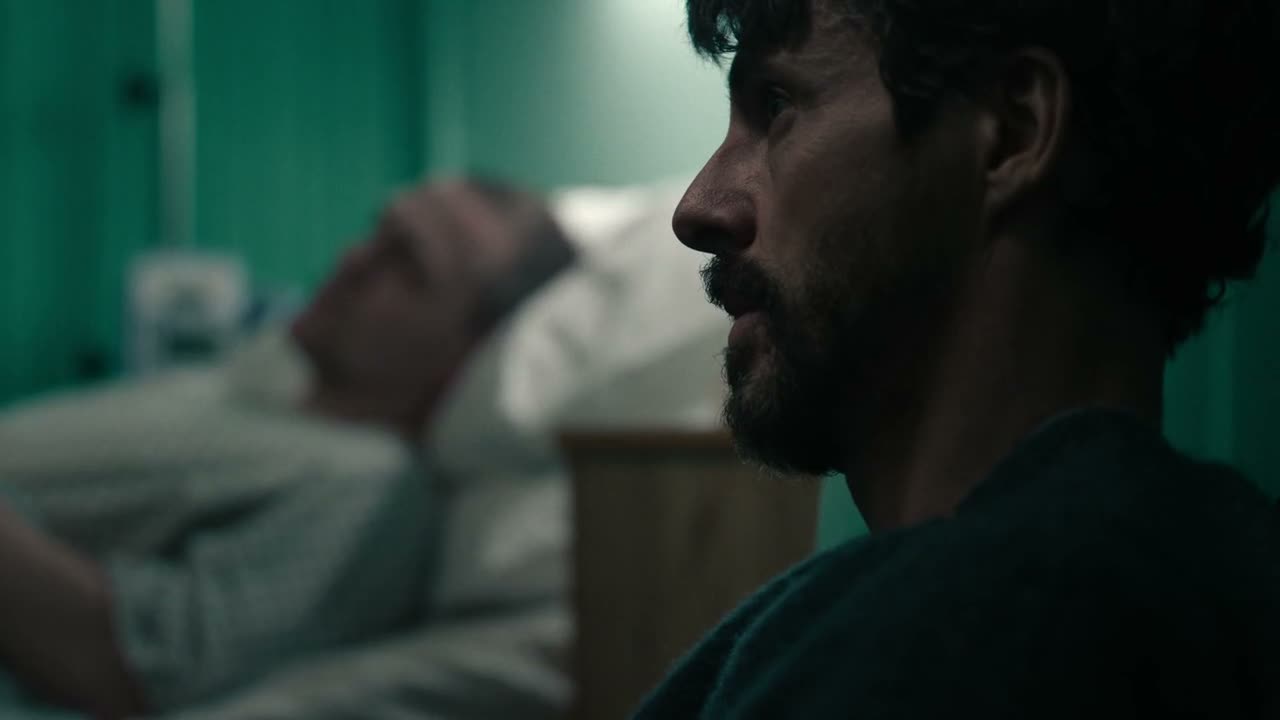
“I think I'm gonna put my time in and be done with it.”

“Alright. Go do whatever you need to do.”
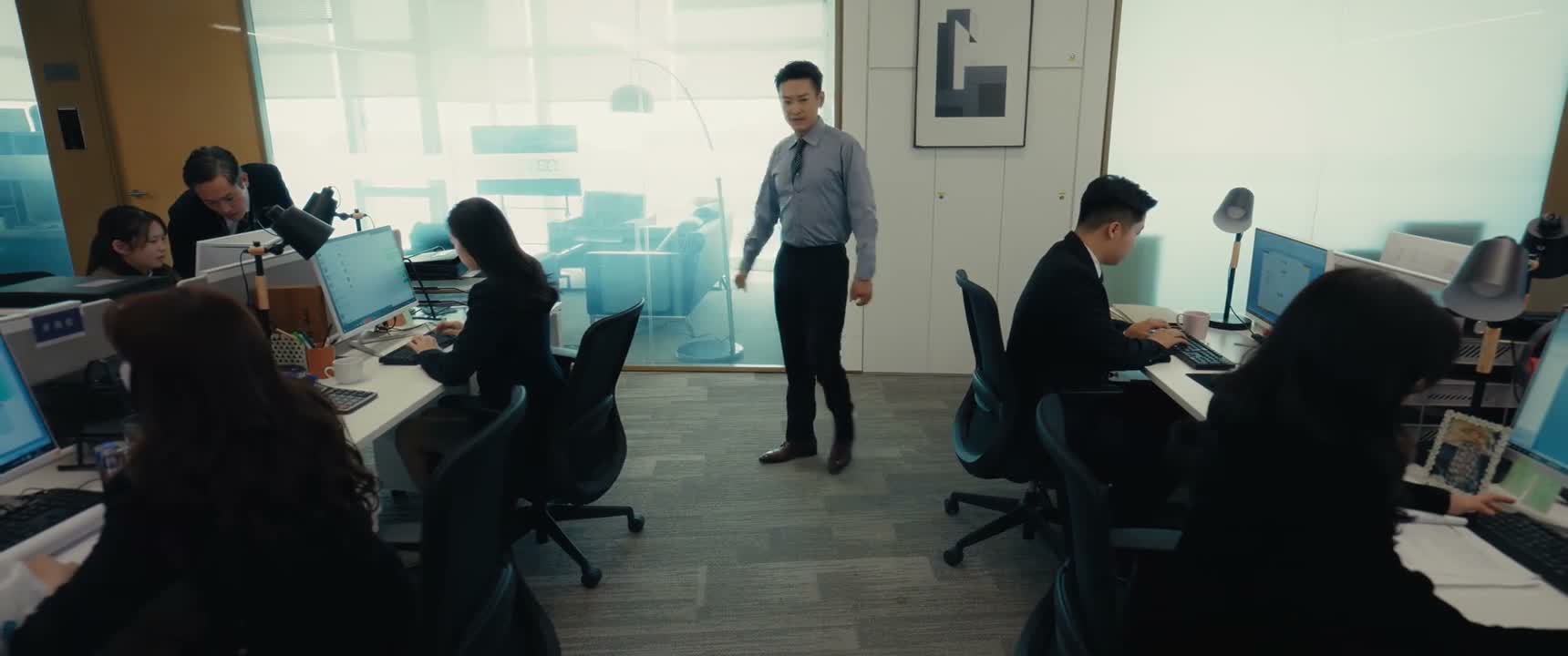
“Don't chat idly during work hours.”

“I have… work. I still need my job.”

“Running around all day for work. Aren't you tired?”