MC
MandarinClips Cinema Corpus
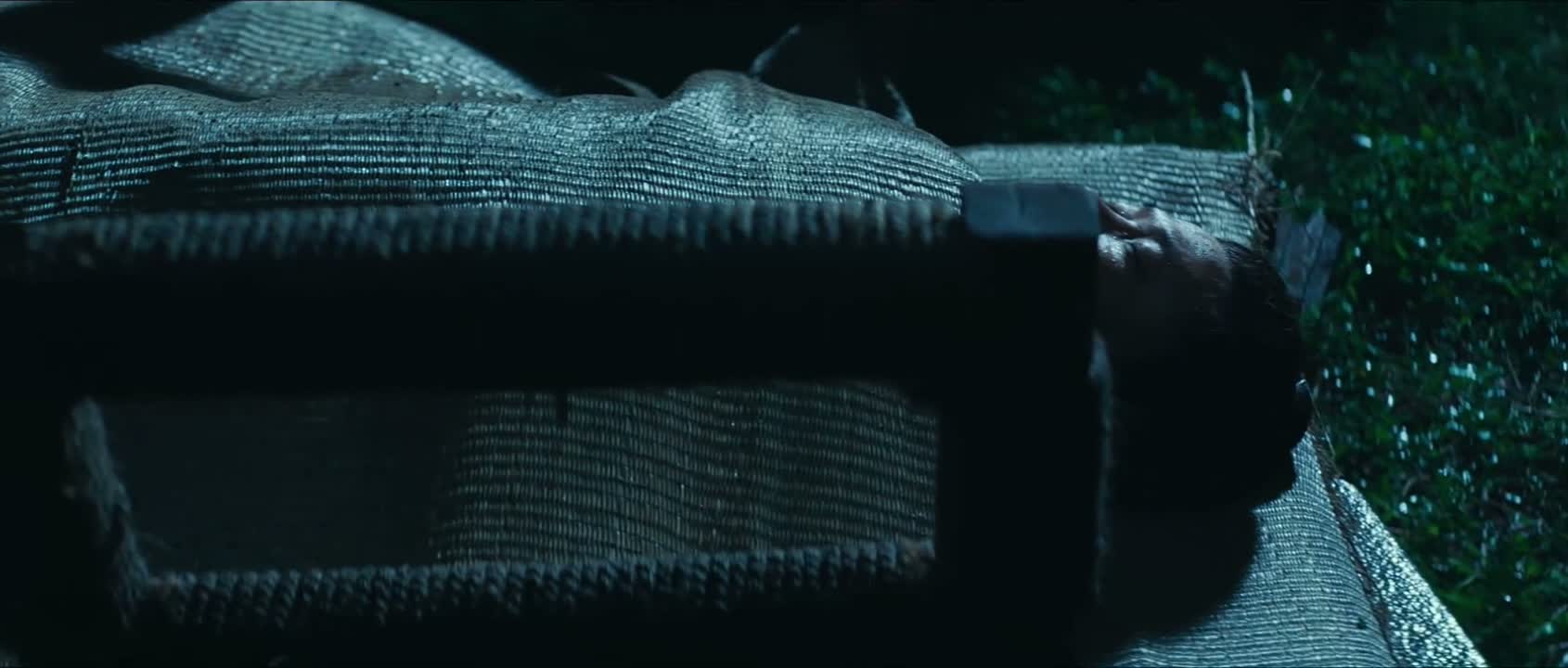
《Ashes to Crown》 S1·E3 (44:27) HSK 7
ruò shì wǒ jīng huāng shī cuò yòu néng gǎi biàn shén me ne ?

若是我惊慌失措 又能改变什么呢?

“If I panicked, what would that change?”

《Ashes to Crown》 S1·E3
TIMECODE: 44:27 · 1080P MASTER AUDIO

THE DIALOGUE REEL

1+1+1 SPOKEN CONTINUITY
[-1] PREVIOUS TURN nǐ zhī dào hái zhè bān dì tài rán zì ruò ?

“Then how can you remain so calm?”

ruò shì wǒ jīng huāng shī cuò yòu néng gǎi biàn shén me ne ? CURRENT FOCUS

若是 我 惊慌失措 又能 改变 什么 呢?

“If I panicked, what would that change?”

[+1] FOLLOW-UP TURN bù rú àn bīng bù dòng kàn kàn tā

“I prefer to stay put and wait. I'll see how he's going to play his game.”

Subtitles synced to millisecond timecode Browse Show Clips →
Scene: Crisis & Conflict
Function: JUSTIFYING BEHAVIOR
Tone: COMPOSED
Emotion: RELIEF
WHAT THEY REALLY MEAN (PRAGMATIC SUBTEXT)
“Panicking won't fix anything, so stop questioning my calm and let's think rationally.”
💡 Cultural Insight: Composure under Duress (Chengzhu Zai Xiong)

Chinese wisdom prizes maintaining an unperturbed demeanor in dangerous situations, viewing panic as a fatal strategic flaw.

INTENT TAGS: #rationalizing #calming #strategic_thinking #rhetorical_defense
🧩

LEARNING CHUNKS & PARTICLES

2 CHUNKS · 1 PARTICLES
惊慌失措 SPOKEN CHUNK

in panic and confusion; losing one's head

A common four-character idiom describing visible disorientation caused by acute fear or surprise.

又能改变什么 SPOKEN CHUNK

what can it possibly change

A rhetorical pattern used to point out the pointlessness of a specific emotional or physical reaction.

Modal Particle「呢」 (ne) CHANGE OF STATE

Softens the rhetorical question while emphasizing the speaker's introspective and logical stance.
🏮

VOCABULARY & EXPRESSIONS

4 EXPR · 0 GRAMMAR
CROSS-CINEMA CORPUS BOARD · PARALLEL SCENES

Parallel Spoken Cinema Scenes (语义近邻切片)

EXPLORE BY SEMANTIC SIMILARITY
《Ashes to Crown》 S1·E3 (44:27) · Authentic Cinema Dialogue Corpus