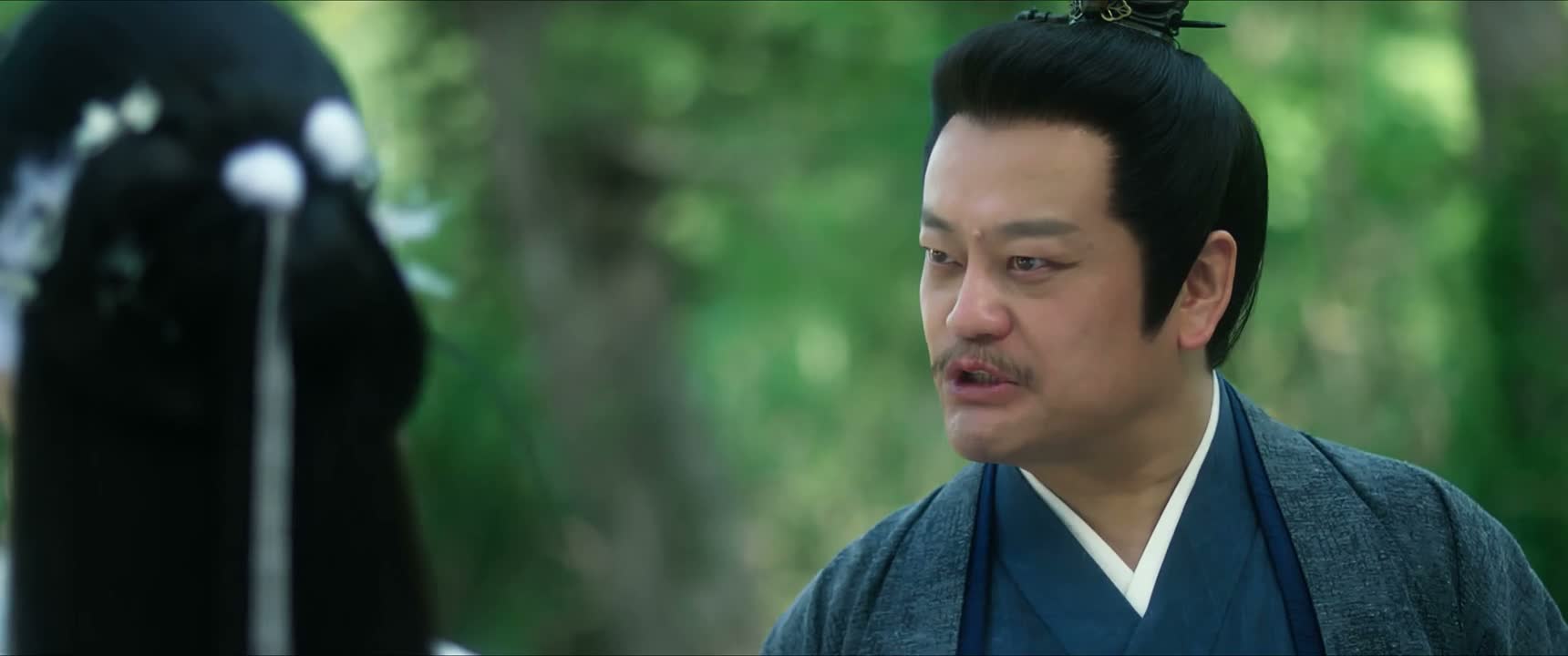
《The Truth》 S1·E7 (16:56)
HSK 4
nǐ men yě suàn bài guò wǒ fù mǔ le
你们也算拜过我父母了
“You've paid respects to my parents.”
《The Truth》
S1·E7
TIMECODE: 16:56
·
1080P MASTER AUDIO
THE DIALOGUE REEL
[-1] PREVIOUS TURN
xíng le
行了
“Alright.”
nǐ men yě suàn bài guò wǒ fù mǔ le
CURRENT FOCUS
你们也算拜过我父母了
“You've paid respects to my parents.”
[+1] FOLLOW-UP TURN
zhī dào nǐ bù jiǎng jiū zhè xiē
“I know you don't stand on ceremony,”
Subtitles synced to millisecond timecode
Browse Show Clips →
Scene:
Family & Home
Function:
RELIEVING OBLIGATION
Tone:
CASUAL
Emotion:
RELIEF
WHAT THEY REALLY MEAN (PRAGMATIC SUBTEXT)
“You have done enough to show respect, so let's move on and not overthink the formalities.”
💡 Cultural Insight: Paying Respects to In-Laws/Elders (Bai)
Formally greeting or bowing to parents carries substantial cultural weight in validating relationships and familial recognition in Chinese tradition.
INTENT TAGS:
#reassurance
#conceding
#acknowledgment
🧩
2 CHUNKS · 1 PARTICLES
LEARNING CHUNKS & PARTICLES
也算
SPOKEN CHUNK
can be considered as; counts as
Use this phrase to indicate that something marginally or effectively meets a standard or requirement.
拜过
SPOKEN CHUNK
to have paid formal respects to
Commonly used in cultural contexts referring to paying ceremonial respects to elders or ancestors.
Modal Particle「了」 (le)
CHANGE OF STATE
Marks the completion of an action and establishes the newly achieved status.
CROSS-CINEMA CORPUS BOARD · PARALLEL SCENES
EXPLORE BY SEMANTIC SIMILARITY
Parallel Spoken Cinema Scenes (语义近邻切片)
《The Truth》 S1·E7 (16:56) · Authentic Cinema Dialogue Corpus