带了不干净的东西进村
“bringing unclean things into the village”
THE DIALOGUE REEL
村民无知 说是因为外人来得太多太杂
“The villagers are ignorant. They say too many outsiders have been coming here,”
带了 不干净的东西 进村
“bringing unclean things into the village”
才惹出这些祸事来 所以啊 这三元村
“and causing all these troubles. That's why Sanyuan Village”
“The villagers are scapegoating outsiders, claiming they brought a curse or evil spirit.”
In traditional rural Chinese culture, unexplained illness, sudden death, or misfortune was often blamed on 'unclean things' (evil spirits) brought in by outside strangers.
LEARNING CHUNKS & PARTICLES
unclean things; ghosts, evil spirits, or curses
A common Chinese euphemism referring to evil spirits, ghosts, or ominous supernatural entities.
VOCABULARY & EXPRESSIONS
Parallel Spoken Cinema Scenes (语义近邻切片)

“something dirty inside.”
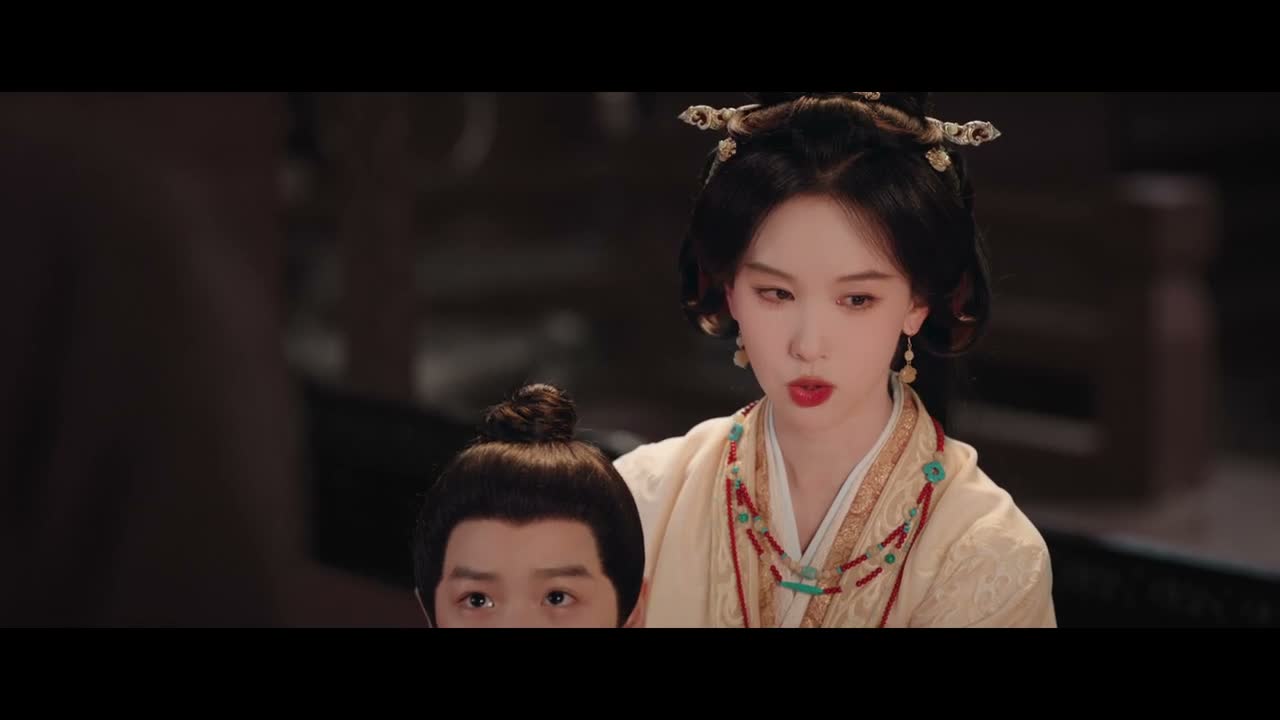
“The air reeks of foul play.”
“♪ And go in search of distant scenery ♪ It's so dirty. Don't eat that.”

“How did you still get your dress dirty?”
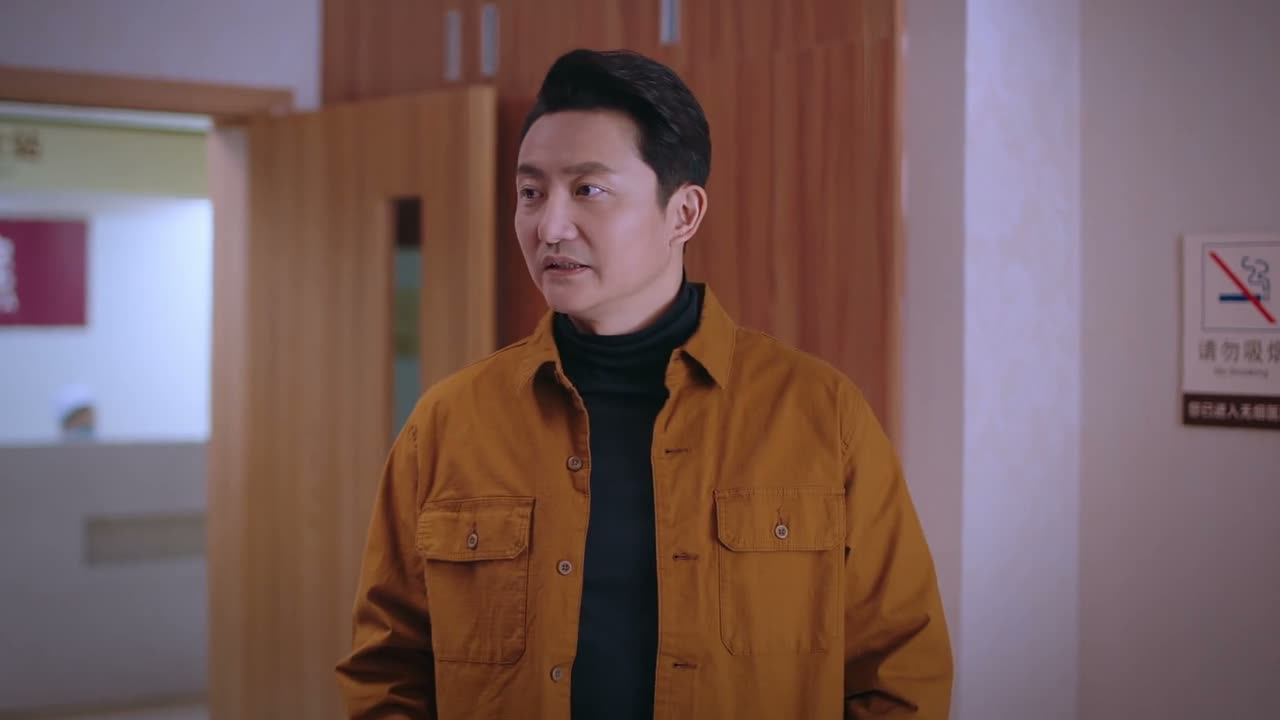
“But the food outside is not clean.”
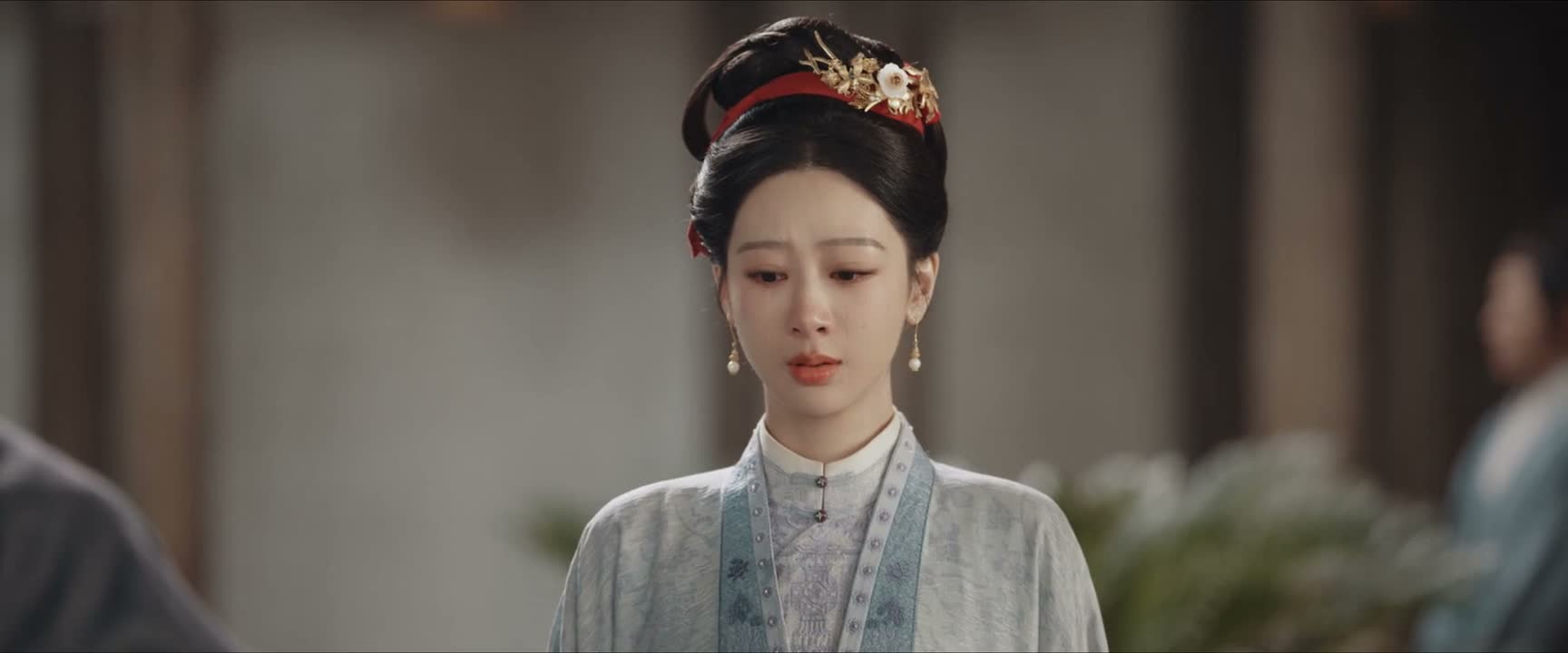
“and slung mud at her!”