《Love Story in the 1970s》 S1·E3 (15:44)
HSK 4
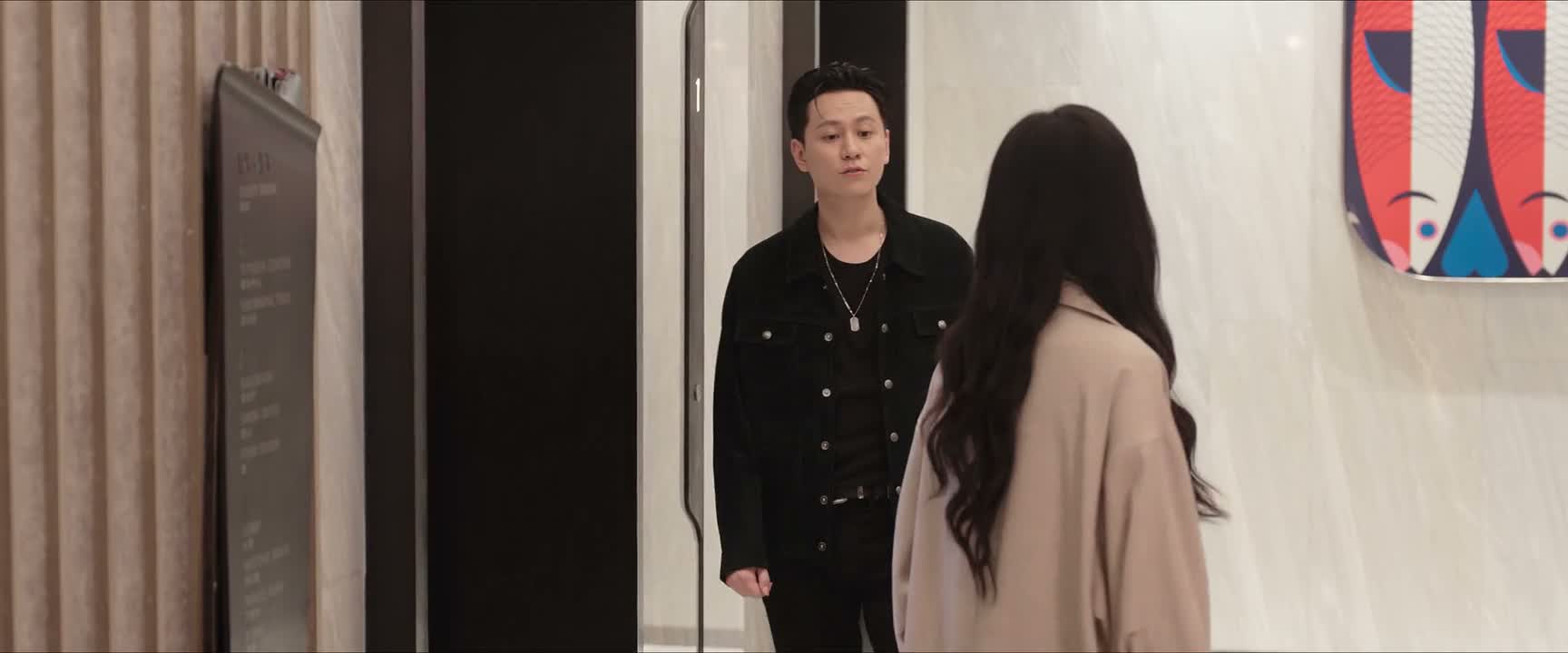
nà nǐ hǎo hǎo xiū xī wǒ jiù bù dǎ rǎo nǐ le
那你好好休息 我就不打扰你了
“Get some proper rest. I'll leave you be.”
《Love Story in the 1970s》
S1·E3
TIMECODE: 15:44
·
1080P MASTER AUDIO
THE DIALOGUE REEL
[-1] PREVIOUS TURN
bù xiǎo xīn bāo lǐ de dōng xī sǎ le yī dì
不小心包里的东西洒了一地
“the things in your bag fell out.”
nà nǐ hǎo hǎo xiū xī wǒ jiù bù dǎ rǎo nǐ le
CURRENT FOCUS
那 你好 好休息 我 就不打扰你了
“Get some proper rest. I'll leave you be.”
[+1] FOLLOW-UP TURN
wú zhǔ rèn wǒ yǐ jīng jué dìng le
“(Director Wu, I've made up my mind.)”
Subtitles synced to millisecond timecode
Browse Show Clips →
Scene:
Workplace
Function:
POLITE LEAVE TAKING
Tone:
POLITE
Emotion:
UNEASE
WHAT THEY REALLY MEAN (PRAGMATIC SUBTEXT)
“Things are getting awkward or heavy, so I am going to make a polite exit now.”
💡 Cultural Insight: Polite Disengagement (客套退场)
Saying 'I won't disturb you' is a ubiquitous Chinese strategy to terminate an encounter without causing loss of face or appearing abrupt.
INTENT TAGS:
#leave_taking
#politeness
#tactful_exit
#face_saving
🧩
2 CHUNKS · 1 PARTICLES
LEARNING CHUNKS & PARTICLES
好好休息
SPOKEN CHUNK
get some good rest
A standard, caring phrase used when taking leave from someone sick, tired, or recovering.
不打扰你了
SPOKEN CHUNK
won't disturb you anymore / leave you to it
A staple polite formula for wrapping up a conversation or excusing oneself from someone's presence.
Modal Particle「了」 (le)
CHANGE OF STATE
Indicates a newly decided change of situation or state, signaling the act of leaving right now.
🏮
2 EXPR · 0 GRAMMAR
VOCABULARY & EXPRESSIONS
COLLOQUIAL EXPRESSIONS:
CROSS-CINEMA CORPUS BOARD · PARALLEL SCENES
EXPLORE BY SEMANTIC SIMILARITY
Parallel Spoken Cinema Scenes (语义近邻切片)
《Love Story in the 1970s》 S1·E3 (15:44) · Authentic Cinema Dialogue Corpus