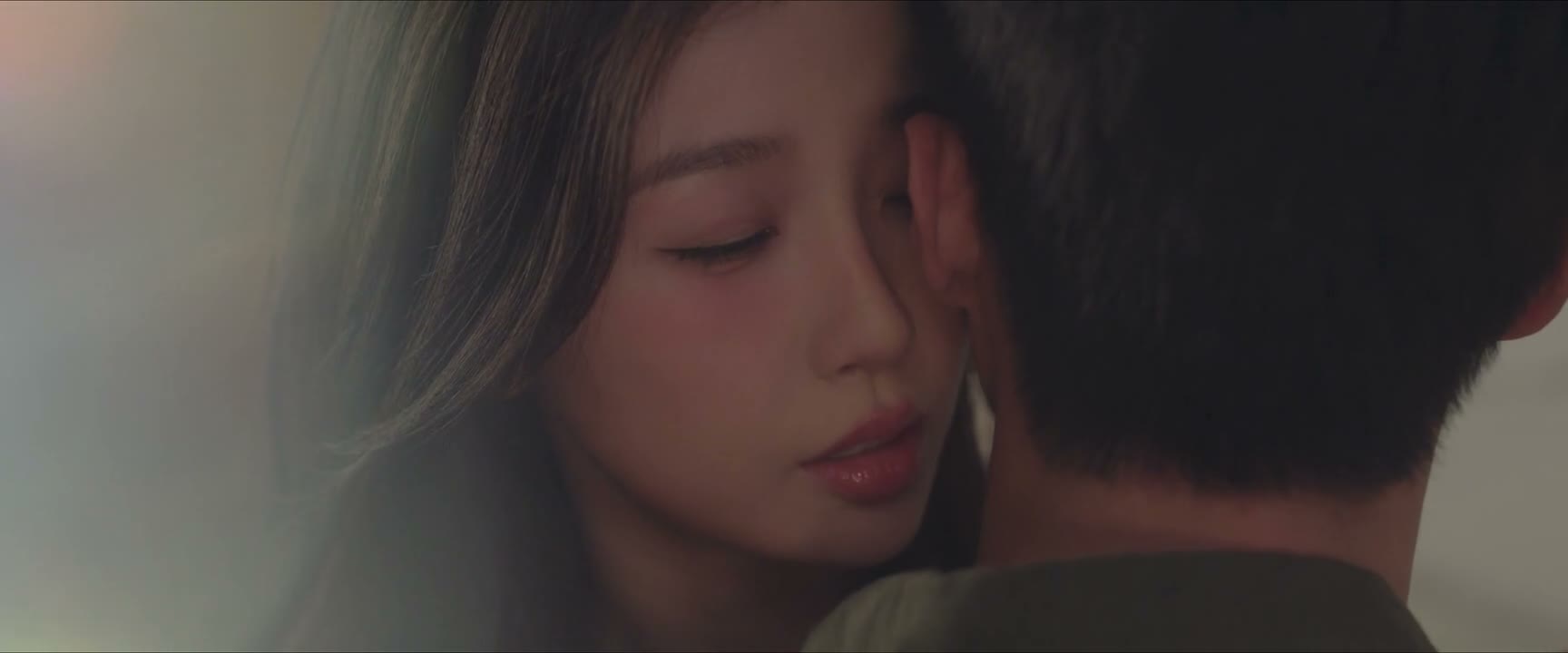
《Love Story in the 1970s》 S1·E3 (33:13)
HSK 5
zhè yī fú wǒ xǐ guò le ya nǐ zěn me yòu xǐ yī biàn a
这衣服我洗过了呀 你怎么又洗一遍啊
“I already washed these. Why did you wash them again?”
《Love Story in the 1970s》
S1·E3
TIMECODE: 33:13
·
1080P MASTER AUDIO
THE DIALOGUE REEL
[-1] PREVIOUS TURN
fāng mù yáng
方穆扬
“Fang Muyang.”
zhè yī fú wǒ xǐ guò le ya nǐ zěn me yòu xǐ yī biàn a
CURRENT FOCUS
这衣服我 洗过了 呀 你 怎么又 洗一遍 啊
“I already washed these. Why did you wash them again?”
Subtitles synced to millisecond timecode
Browse Show Clips →
Scene:
Family & Home
Function:
EXPRESSING CONFUSION
Tone:
TEASING
Emotion:
SURPRISE
WHAT THEY REALLY MEAN (PRAGMATIC SUBTEXT)
“Why are you wasting effort washing clothes that are already clean?”
💡 Cultural Insight: Domestic Nagging and Affection
In close Chinese household relationships, pointing out redundant chores is a common form of playful, affectionate interaction rather than actual harsh criticism.
INTENT TAGS:
#questioning
#teasing
#confusion
#domestic_banter
🧩
2 CHUNKS · 2 PARTICLES
LEARNING CHUNKS & PARTICLES
洗过
SPOKEN CHUNK
have washed / already washed
Used with the aspect particle 'guo' to indicate the completion of an action in the past.
又……一遍
SPOKEN CHUNK
do all over again
A common structure to express repeating an entire action from start to finish.
Modal Particle「呀」 (ya)
CHANGE OF STATE
Softens the assertion of fact and adds an expressive, conversational tone.
Modal Particle「啊」 (a)
CHANGE OF STATE
Highlights the speaker's genuine surprise and puzzlement at the end of the question.
🏮
2 EXPR · 1 GRAMMAR
VOCABULARY & EXPRESSIONS
COLLOQUIAL EXPRESSIONS:
GRAMMAR BLUEPRINTS:
CROSS-CINEMA CORPUS BOARD · PARALLEL SCENES
EXPLORE BY SEMANTIC SIMILARITY
Parallel Spoken Cinema Scenes (语义近邻切片)

《Love Story in the 1970s》 S1·E3 (33:13) · Authentic Cinema Dialogue Corpus