MC
MandarinClips Cinema Corpus
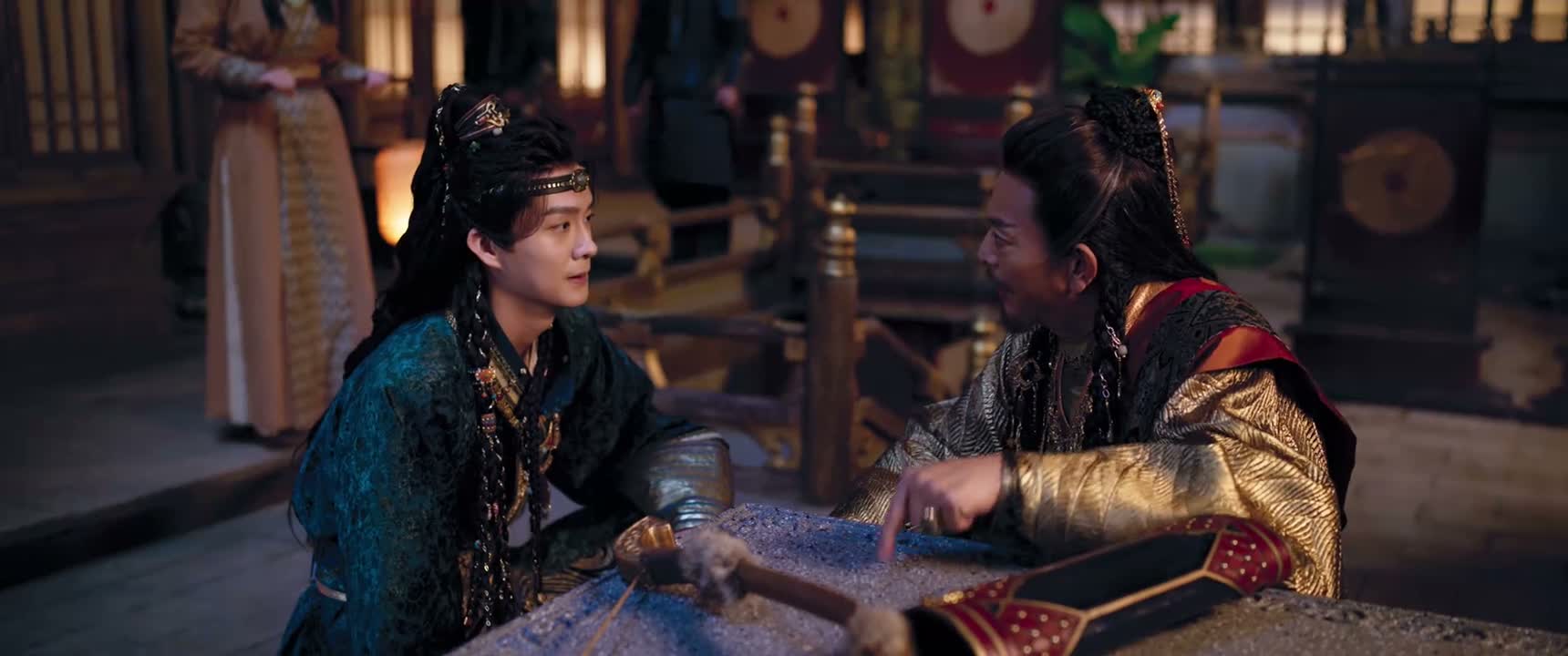
《The Heir》 S1·E35 (29:44) HSK 7
nǐ wù bì dī fáng zhe jué bù kě jiào lǐ zhēn zài xiān qǐ shén me fēng làng lái

你务必提防着 绝不可叫李祯再掀起什么风浪来

“You must keep a close watch and never let Li Zhen stir up any more trouble!”

《The Heir》 S1·E35
TIMECODE: 29:44 · 1080P MASTER AUDIO

THE DIALOGUE REEL

1+1+1 SPOKEN CONTINUITY
[-1] PREVIOUS TURN běn shèng

本盛

“Bensheng.”

nǐ wù bì dī fáng zhe jué bù kě jiào lǐ zhēn zài xiān qǐ shén me fēng làng lái CURRENT FOCUS

你 务必 提防 着 绝 不可 叫李祯再掀起 什么 风浪来

“You must keep a close watch and never let Li Zhen stir up any more trouble!”

[+1] FOLLOW-UP TURN gē nǐ fàng xīn

哥 你放心

“Benchang, don't worry.”

Subtitles synced to millisecond timecode Browse Show Clips →
Scene: Crisis & Conflict
Function: GIVING INSTRUCTIONS
Tone: ASSERTIVE
Emotion: ANXIETY
WHAT THEY REALLY MEAN (PRAGMATIC SUBTEXT)

Direct spoken expression in this communicative setting.

💡 Cultural Insight: Nipping Trouble in the Bud (防患未然)

In Chinese strategic thinking, preemptively neutralizing potential threats before they escalate into uncontrollable chaos is considered essential.

INTENT TAGS: #warning #instruction #prevention #caution
🧩

LEARNING CHUNKS & PARTICLES

2 CHUNKS · 2 PARTICLES
务必 SPOKEN CHUNK

must / by all means / be sure to

A strong adverb used in directives to express an absolute necessity or imperative.

掀起风浪 SPOKEN CHUNK

stir up trouble / create waves

An idiomatic metaphor frequently used to describe a troublemaker provoking instability or disruption.

Modal Particle「着」 (zhe) CHANGE OF STATE

Marks an ongoing state of alertness and continuous vigilance.

Modal Particle「来」 (lai) CHANGE OF STATE

Serves as a directional complement indicating the emergence or onset of an undesirable state or action.
🏮

VOCABULARY & EXPRESSIONS

4 EXPR · 0 GRAMMAR
CROSS-CINEMA CORPUS BOARD · PARALLEL SCENES

Parallel Spoken Cinema Scenes (语义近邻切片)

EXPLORE BY SEMANTIC SIMILARITY
《The Heir》 S1·E35 (29:44) · Authentic Cinema Dialogue Corpus