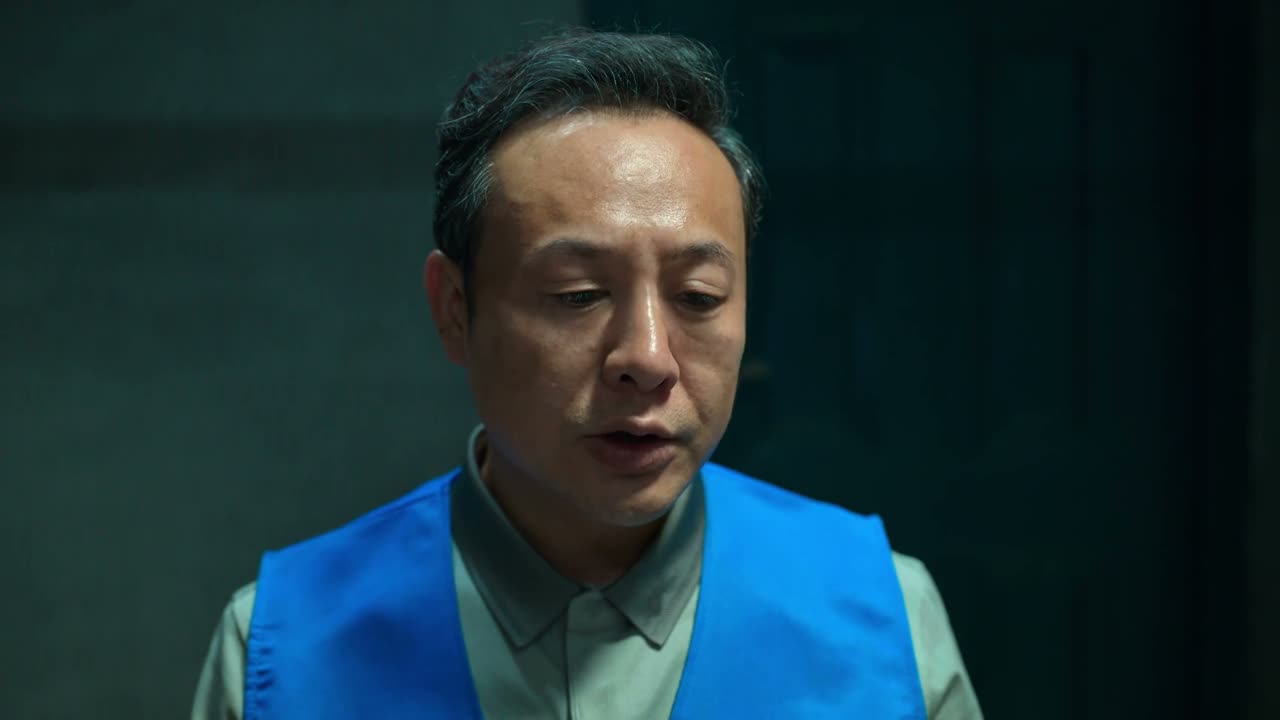
《Born to Be Alive》 S1·E8 (06:59)
HSK 3
wǒ nǎi nǎi zǒu le yǐ hòu hěn shǎo chī dào zhè me hǎo chī de jiǎo zi le
我奶奶走了以后 很少吃到 这么好吃的饺子了
“Since my grandmother passed away, I've rarely had dumplings this good.”
《Born to Be Alive》
S1·E8
TIMECODE: 06:59
·
1080P MASTER AUDIO
THE DIALOGUE REEL
[-1] PREVIOUS TURN
tài hé wèi kǒu le hǎo wǒ mā bú huì zuò fàn
“I love it. Good. My mom can't cook.”
wǒ nǎi nǎi zǒu le yǐ hòu hěn shǎo chī dào zhè me hǎo chī de jiǎo zi le
CURRENT FOCUS
我奶奶 走了 以后 很少吃到 这么 好吃的 饺子了
“Since my grandmother passed away, I've rarely had dumplings this good.”
[+1] FOLLOW-UP TURN
nà nǐ xǐ huān chī nǐ jiù cháng lái a
“If you like them, you should come often.”
Subtitles synced to millisecond timecode
Browse Show Clips →
Scene:
Dining & Food
Function:
COMPLIMENTING
Tone:
TENDER
Emotion:
NOSTALGIA
WHAT THEY REALLY MEAN (PRAGMATIC SUBTEXT)
“Your food brings back warm memories of my family and makes me feel genuinely cared for.”
💡 Cultural Insight: Dumplings and Emotional Bonding
In Chinese culture, homemade dumplings symbolize familial warmth and homecoming; comparing someone's cooking to an elder's is the highest culinary compliment.
INTENT TAGS:
#compliment
#nostalgia
#flattery
#bonding
🧩
2 CHUNKS · 1 PARTICLES
LEARNING CHUNKS & PARTICLES
走了
SPOKEN CHUNK
passed away
A very common euphemism used in spoken Chinese to politely and gently refer to someone's death.
很少吃到
SPOKEN CHUNK
rarely get to eat
Used to express the rarity of enjoying high-quality or nostalgic food.
Modal Particle「了」 (le)
CHANGE OF STATE
Indicates a newly realized change of state after a long absence.
🏮
3 EXPR · 0 GRAMMAR
VOCABULARY & EXPRESSIONS
COLLOQUIAL EXPRESSIONS:
CROSS-CINEMA CORPUS BOARD · PARALLEL SCENES
EXPLORE BY SEMANTIC SIMILARITY
Parallel Spoken Cinema Scenes (语义近邻切片)
《Born to Be Alive》 S1·E8 (06:59) · Authentic Cinema Dialogue Corpus