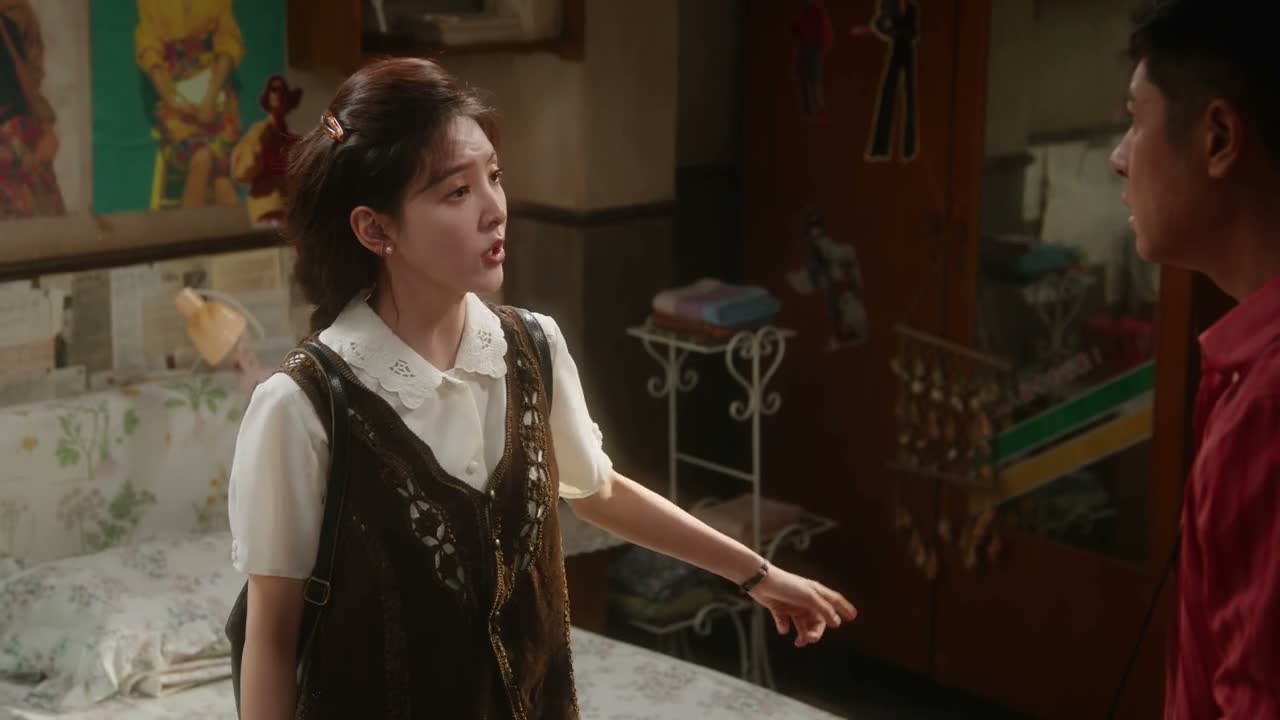
《About Love》 S1·E23 (04:22)
HSK 1
shì wǒ yì xiāng qíng yuàn
是我一厢情愿
“It was just me.”
《About Love》
S1·E23
TIMECODE: 04:22
·
1080P MASTER AUDIO
THE DIALOGUE REEL
[-1] PREVIOUS TURN
nǐ jiù jué de dōu shì wǒ de cuò
你就觉得都是我的错
“you think it's all my fault.”
shì wǒ yì xiāng qíng yuàn
CURRENT FOCUS
是我 一厢情愿
“It was just me.”
[+1] FOLLOW-UP TURN
shì wǒ zì zuò duō qíng
是我自作多情
“I was being delusional.”
Subtitles synced to millisecond timecode
Browse Show Clips →
Scene:
Crisis & Conflict
Function:
VENTING GRIEVANCE
Tone:
SARCASTIC
Emotion:
ANGER
WHAT THEY REALLY MEAN (PRAGMATIC SUBTEXT)
“Fine, blame me for being stupid enough to love you when you never cared!”
💡 Cultural Insight: Self-Blame as Aggressive Defense (Fan Ke Wei Zhu)
In Chinese emotional conflicts, exaggerating one's own foolishness and claiming all fault is a common rhetorical strategy to shame the partner for their coldness and moral inadequacy.
INTENT TAGS:
#self_deprecation
#guilt_tripping
#indignation
#relationship_conflict
🧩
1 CHUNKS · 0 PARTICLES
LEARNING CHUNKS & PARTICLES
一厢情愿
SPOKEN CHUNK
wishful thinking; one-sided longing
Commonly used in romantic contexts when affection or plans are entirely one-sided and not reciprocated.
🏮
2 EXPR · 0 GRAMMAR
VOCABULARY & EXPRESSIONS
COLLOQUIAL EXPRESSIONS:
CROSS-CINEMA CORPUS BOARD · PARALLEL SCENES
EXPLORE BY SEMANTIC SIMILARITY
Parallel Spoken Cinema Scenes (语义近邻切片)


《About Love》 S1·E23 (04:22) · Authentic Cinema Dialogue Corpus