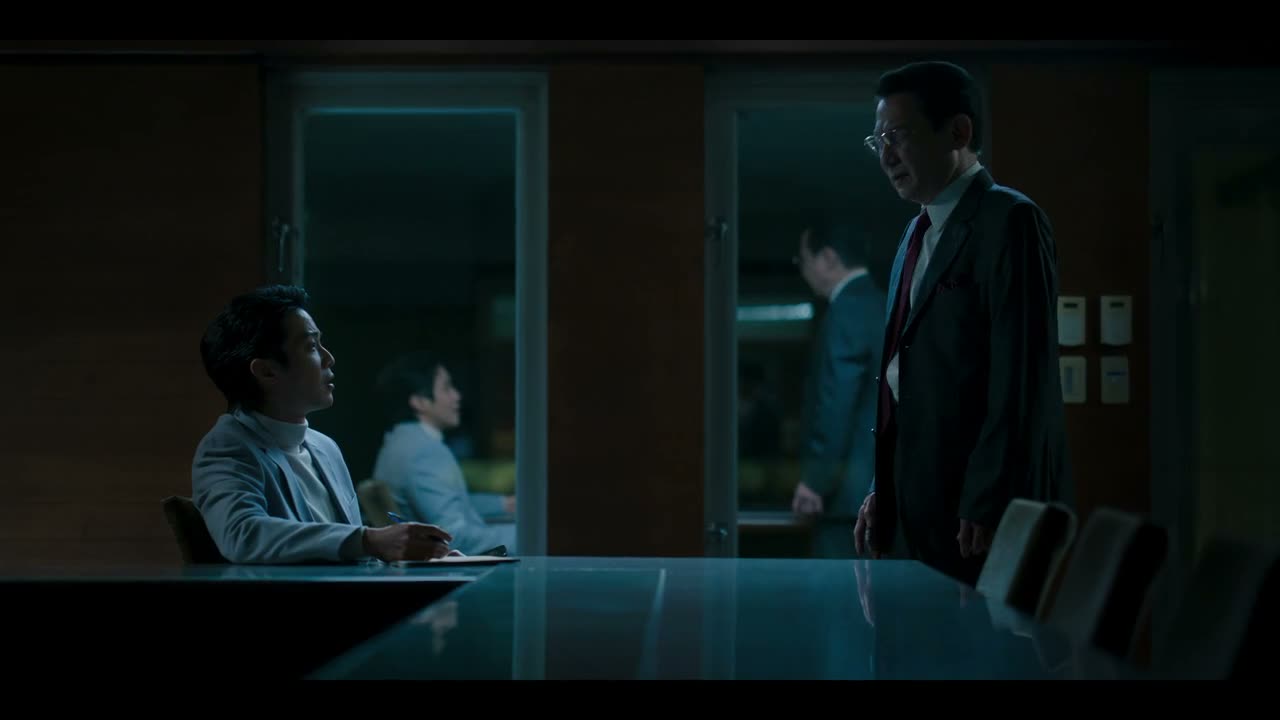
《The Heir》 S1·E36 (35:59)
HSK 1
nǐ bú yào zài zhí mí bù wù le
你不要再执迷不悟了
“Stop being stubborn!”
《The Heir》
S1·E36
TIMECODE: 35:59
·
1080P MASTER AUDIO
THE DIALOGUE REEL
[-1] PREVIOUS TURN
gē nǐ zhè shì shén me móu lüè wǒ gāi shuō shén me ya
“Benchang. What kind of strategy is this? What should I say?”
nǐ bú yào zài zhí mí bù wù le
CURRENT FOCUS
你不要 再 执迷不悟 了
“Stop being stubborn!”
[+1] FOLLOW-UP TURN
dà rén
大人
“Your Excellency.”
Subtitles synced to millisecond timecode
Browse Show Clips →
Scene:
Crisis & Conflict
Function:
ADMONISHING
Tone:
STERN
Emotion:
FRUSTRATION
WHAT THEY REALLY MEAN (PRAGMATIC SUBTEXT)
Direct spoken expression in this communicative setting.
💡 Cultural Insight: Moral Rectification in Traditional Discourse
Chinese interpersonal rhetoric often uses idioms like '执迷不悟' to position the speaker on moral high ground, appealing to reason before punishment is exacted.
INTENT TAGS:
#urging
#admonition
#moral_appeal
#reproach
🧩
1 CHUNKS · 1 PARTICLES
LEARNING CHUNKS & PARTICLES
执迷不悟
SPOKEN CHUNK
obstinately refuse to realize one's errors / stubbornly persist in delusions
A very common four-character idiom (chengyu) used to criticize someone who stubbornly clings to wrongdoing despite clear warnings.
Modal Particle「了」 (le)
CHANGE OF STATE
Indicates a change of state or a plea to cease an ongoing action immediately.
🏮
2 EXPR · 0 GRAMMAR
VOCABULARY & EXPRESSIONS
COLLOQUIAL EXPRESSIONS:
CROSS-CINEMA CORPUS BOARD · PARALLEL SCENES
EXPLORE BY SEMANTIC SIMILARITY
Parallel Spoken Cinema Scenes (语义近邻切片)

《The Heir》 S1·E36 (35:59) · Authentic Cinema Dialogue Corpus