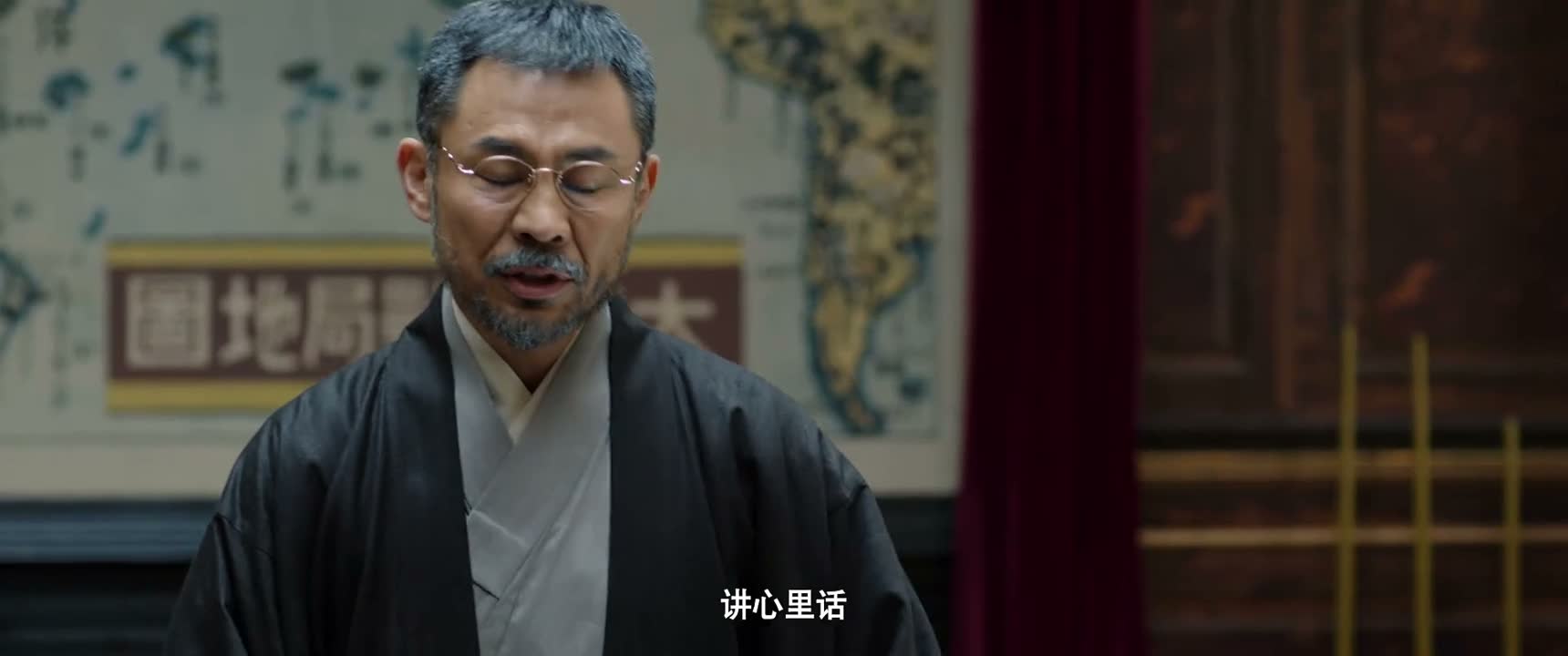
说心里话啊 我觉得这件事情 你们不占理
“To be honest, I don't think you're right on this matter.”
THE DIALOGUE REEL
我这一次来 是带齐高工 来给你道歉的
“I came here to bring Mr. Qi to apologize to you.”
说心里话 啊 我觉得 这件事情 你们 不占理
“To be honest, I don't think you're right on this matter.”
但是呢 既然你们都受伤了
“But since you're both injured,”
“We are apologizing out of courtesy and empathy for your injuries, not because you are actually right.”
In Chinese mediation, separating whether someone 'holds the moral high ground' (占理) from giving face or showing humanitarian empathy (情) is key to conflict resolution.
LEARNING CHUNKS & PARTICLES
to speak candidly / frankly speaking
Commonly used as a preface before making a blunt, objective, or critical point to soften its impact.
not in the right / lacking moral or logical justification
Widely used in interpersonal dispute mediation to indicate that one's argument lacks objective standing.
Softens the blunt introductory phrase and invites the listener to pay attention sincerely.
VOCABULARY & EXPRESSIONS
Parallel Spoken Cinema Scenes (语义近邻切片)

“To be honest, I'd feel uneasy if you weren't here.”

“from the bottom of my heart.”
“To be honest”
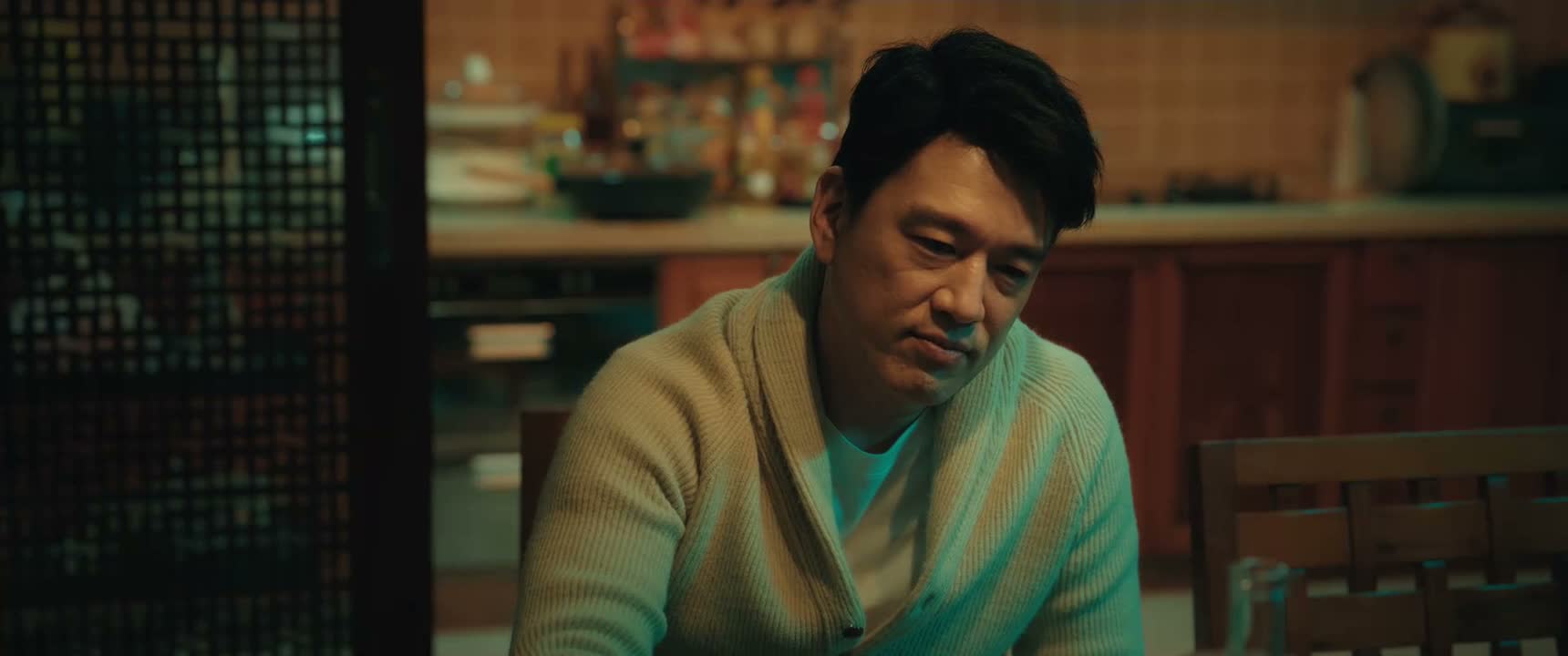
“professionally and personally,”
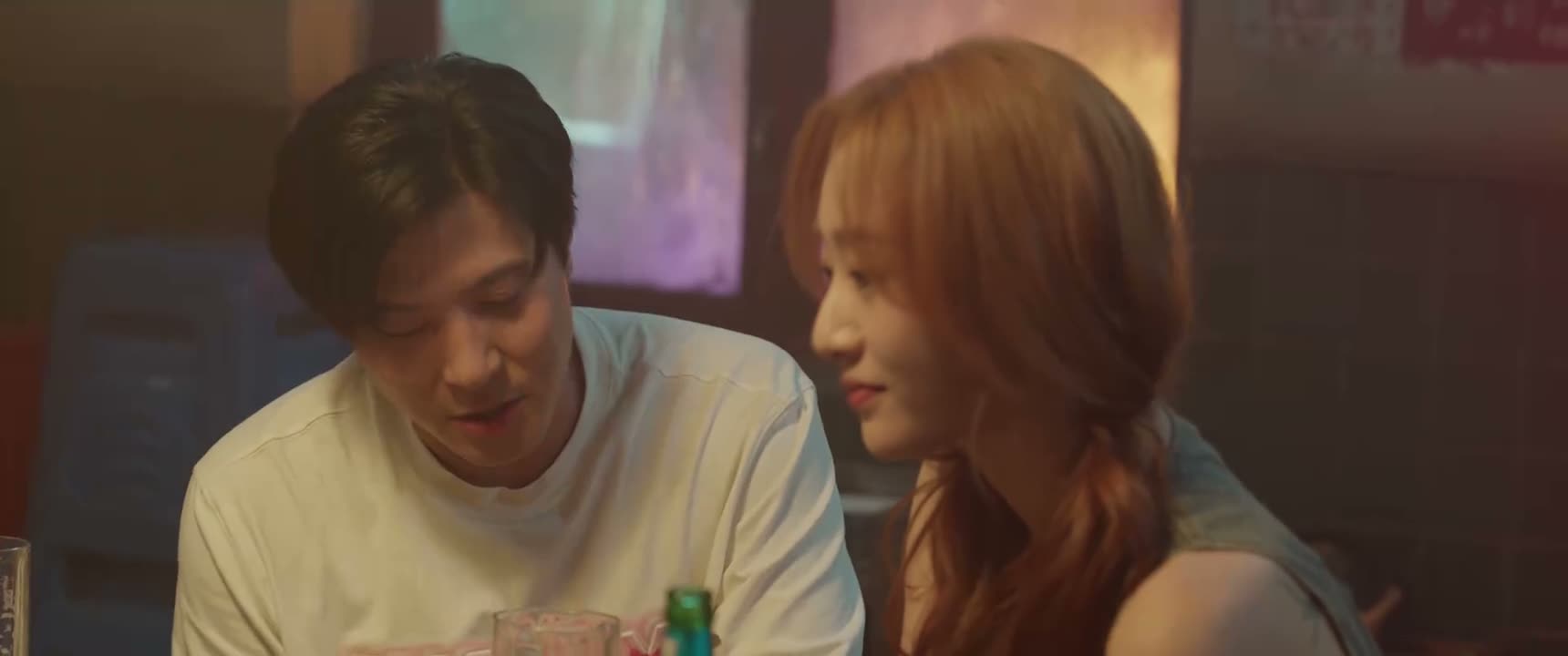
“Let me be real with you.”

“Honestly, I really don't know how to rule on it.”