MC
MandarinClips Cinema Corpus
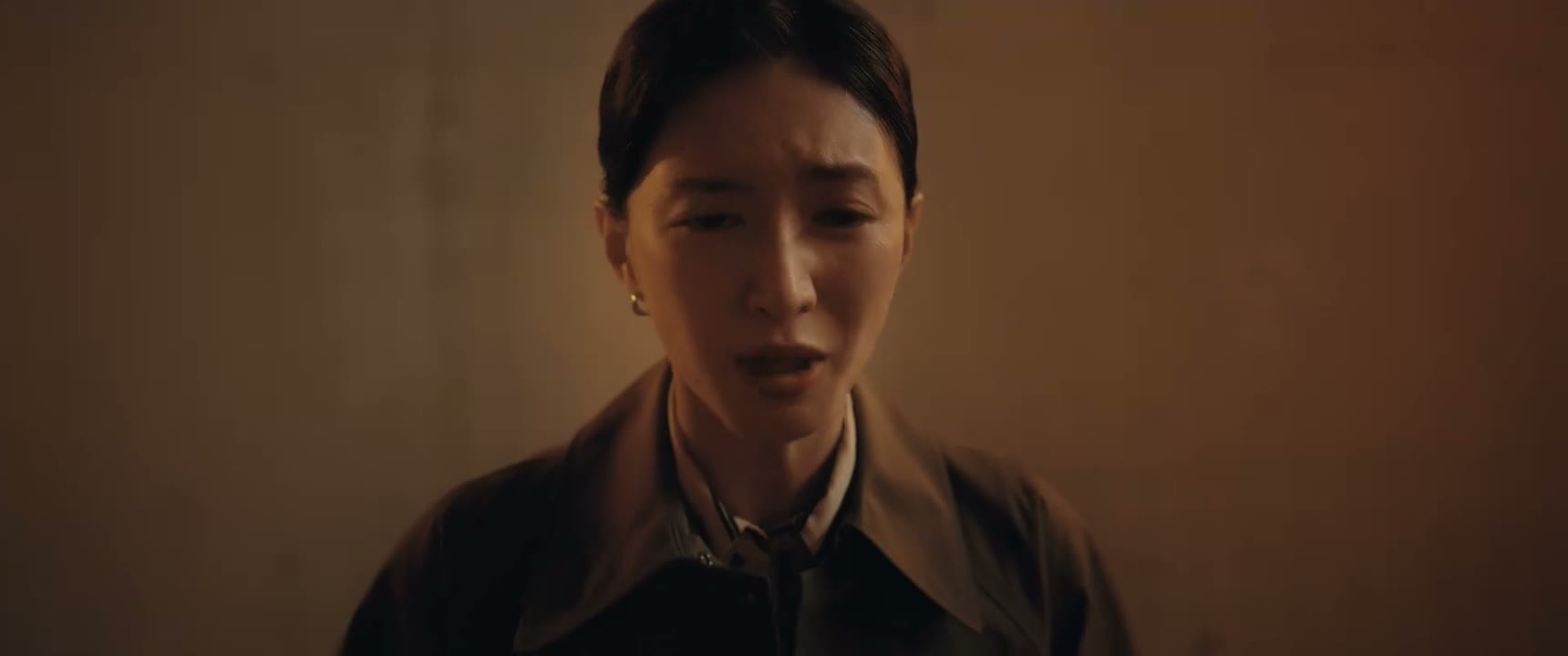
《Born to Be Alive》 S1·E18 (40:02) HSK 6
nǐ yòu kāi shǐ le duì bù qǐ ma wǒ bù gāi nà me shuō

你又开始了 对不起嘛 我不该那么说

“There you go again. I'm sorry. I shouldn't have said that.”

《Born to Be Alive》 S1·E18
TIMECODE: 40:02 · 1080P MASTER AUDIO

THE DIALOGUE REEL

1+1+1 SPOKEN CONTINUITY
[-1] PREVIOUS TURN nǐ jiù bú huì xǐ huān tā le

你就不会喜欢他了

“you wouldn't like him.”

nǐ yòu kāi shǐ le duì bù qǐ ma wǒ bù gāi nà me shuō CURRENT FOCUS

你又开始了 对不起嘛 我 不该 那么说

“There you go again. I'm sorry. I shouldn't have said that.”

[+1] FOLLOW-UP TURN dàn měi cì dōu shì nǐ xiān tí de ya

但每次 都是你先提的呀

“But every time, you're the one who brings it up.”

Subtitles synced to millisecond timecode Browse Show Clips →
Scene: Social & Dating
Function: APOLOGIZING PLAYFULLY
Tone: CONCILIATORY
Emotion: GUILT
WHAT THEY REALLY MEAN (PRAGMATIC SUBTEXT)
“Please stop nagging and let it go—I admit I messed up.”
💡 Cultural Insight: Sajiao (Coquettish Softening)

Using softening particles like '嘛' during an apology is a common relational tactic to disarm anger through perceived vulnerability.

INTENT TAGS: #apologizing #deescalation #placating #pleading
🧩

LEARNING CHUNKS & PARTICLES

2 CHUNKS · 2 PARTICLES
又开始了 SPOKEN CHUNK

here we go again; starting up again

Commonly used in close relationships to express exasperation when a familiar complaint or habit resurfaces.

不该那么说 SPOKEN CHUNK

should not have phrased it like that

A standard phrase for admitting verbal fault and showing remorse in personal disputes.

Modal Particle「嘛」 (ma) CHANGE OF STATE

Softens the apology and adds a pleading, coquettish tone to reduce confrontation.

Modal Particle「了」 (le) CHANGE OF STATE

Marks a change of state, indicating that the other person has begun their typical behavior again.
🏮

VOCABULARY & EXPRESSIONS

3 EXPR · 0 GRAMMAR
CROSS-CINEMA CORPUS BOARD · PARALLEL SCENES

Parallel Spoken Cinema Scenes (语义近邻切片)

EXPLORE BY SEMANTIC SIMILARITY
《Born to Be Alive》 S1·E18 (40:02) · Authentic Cinema Dialogue Corpus