你先别生气 你先 先别生气
“Don't be mad. Please don't be mad.”
THE DIALOGUE REEL
费霓
“Fei Ni.”
你先 别生气 你先 先 别生气
“Don't be mad. Please don't be mad.”
我 我明天我一定能学会 要不你明天再来教我
“I... I'll learn tomorrow. I promise. Just come teach me again.”
Direct spoken expression in this communicative setting.
Repeating soothing phrases like '先别生气' serves as an immediate verbal cushion to preserve interpersonal harmony and prevent open conflict.
LEARNING CHUNKS & PARTICLES
don't ... just yet / hold off on ... for now
A gentle imperative structure used to pause an emotional reaction or an imminent action.
to get angry
A separable verb used to describe becoming upset, frustrated, or mad.
VOCABULARY & EXPRESSIONS
Parallel Spoken Cinema Scenes (语义近邻切片)

“Calm down. They've switched nurses.”
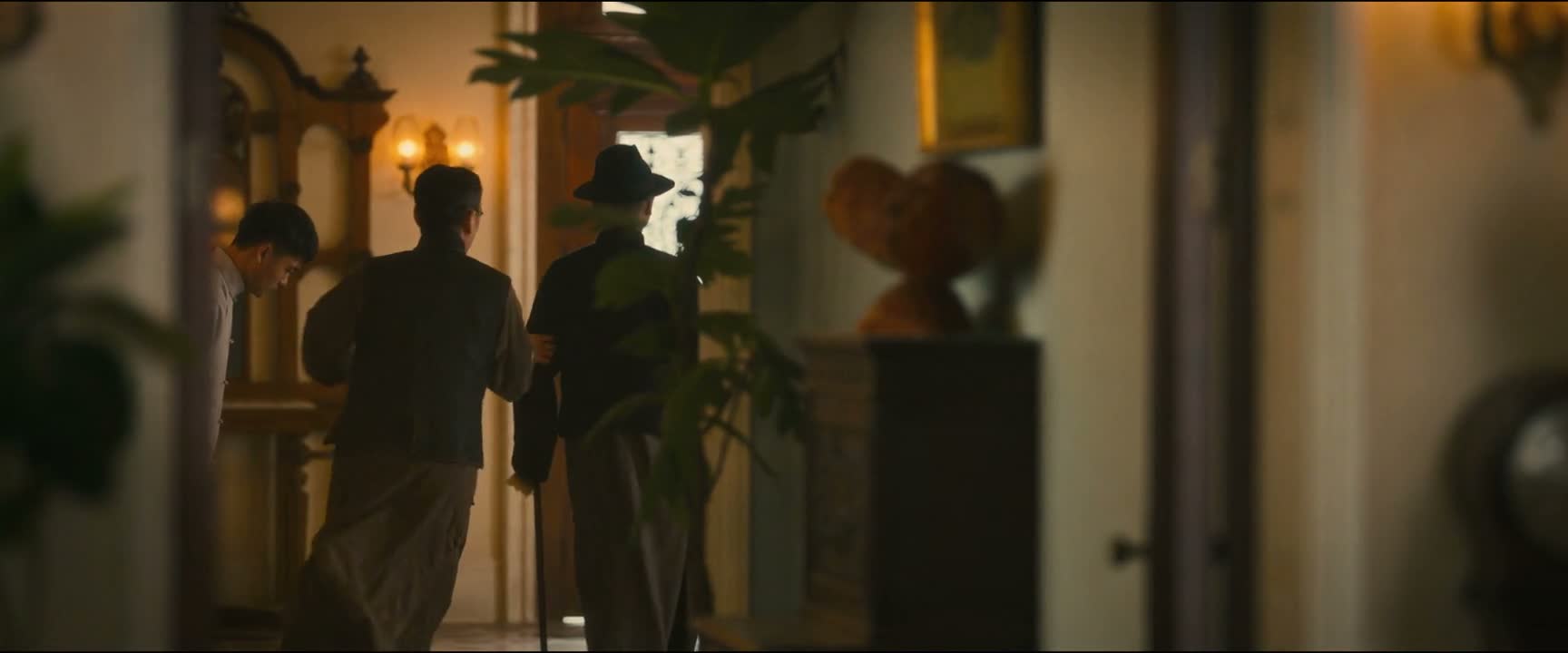
“Please don't be angry. Sir, I did.”
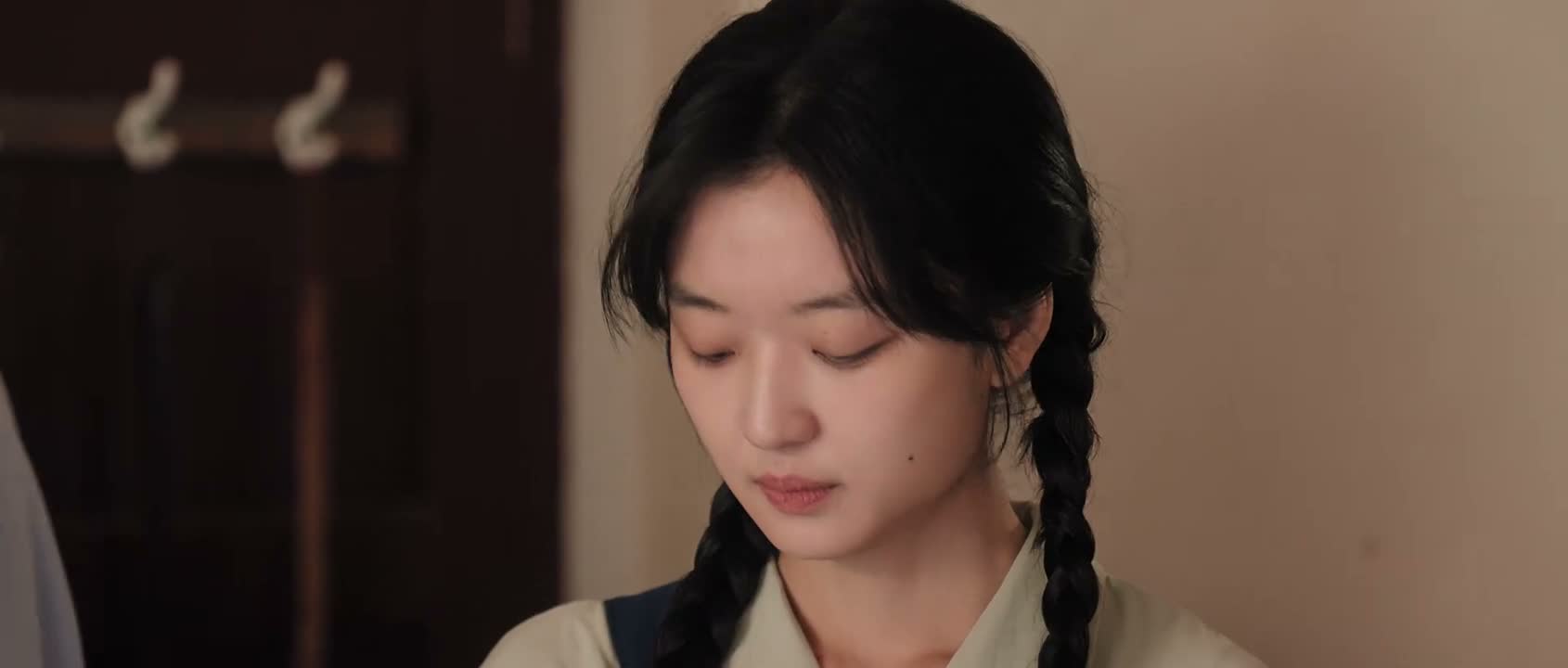
“Dad, Mom, please don't be angry.”
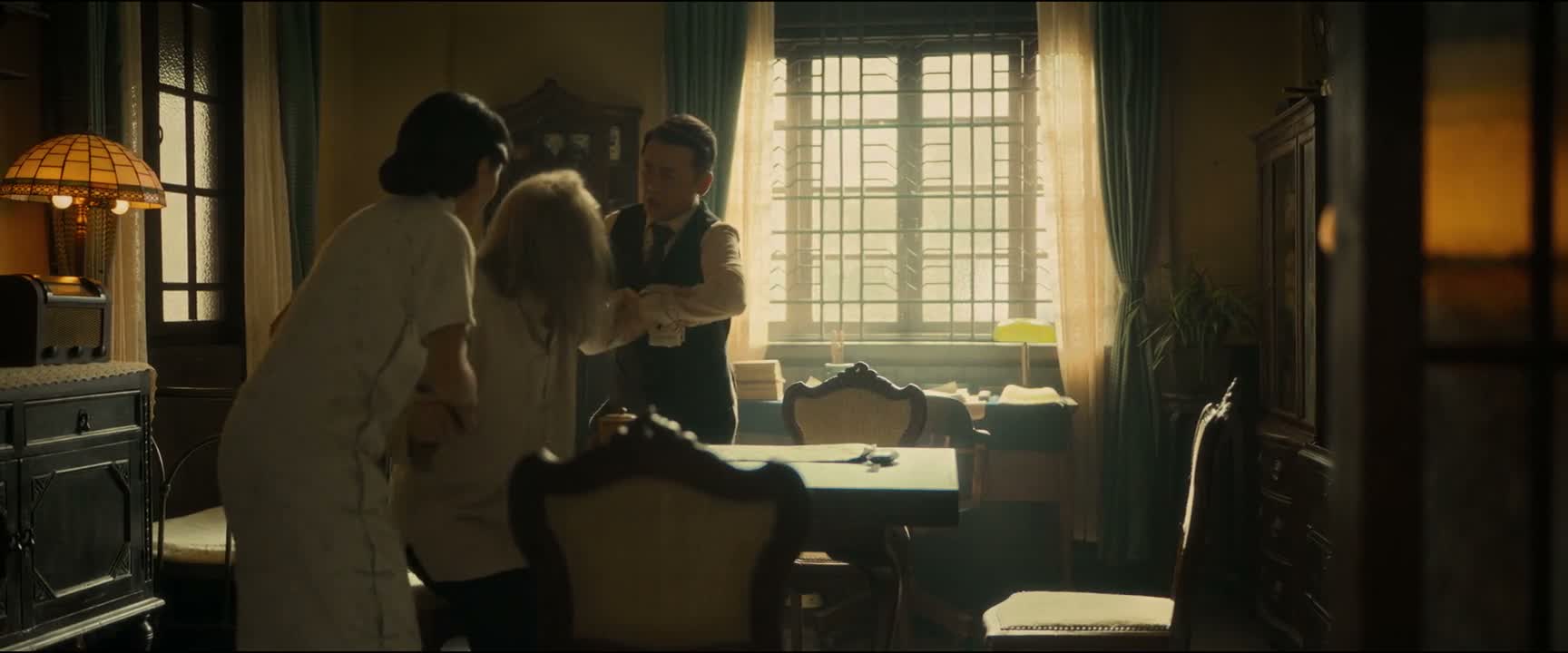
“Sit down first. Don't get angry. Please don't get mad.”