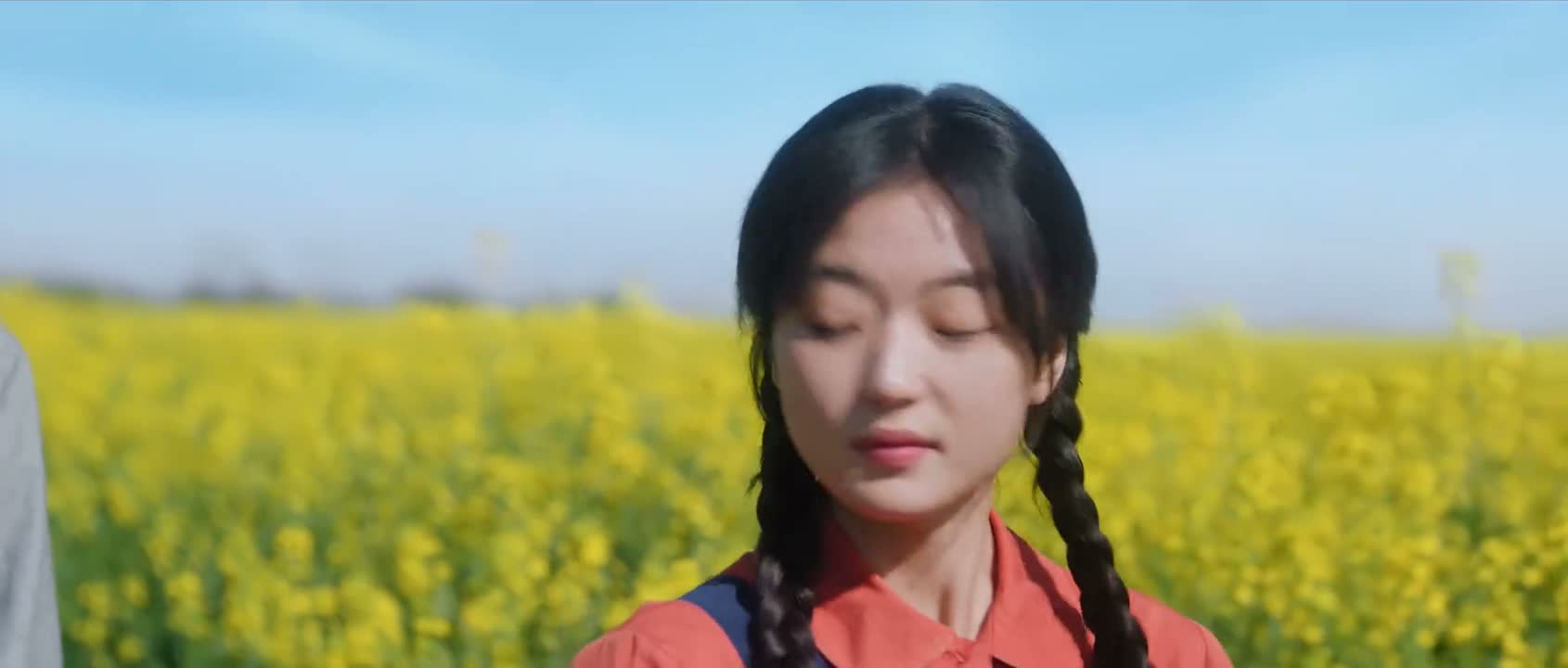
《Love Story in the 1970s》 S1·E6 (39:29)
HSK 4
nǐ zuì jìn zěn me zǒng lái wǒ men chǎng lǐ a dà xué bù shàng kè ma
你最近怎么总来我们厂里啊 大学不上课吗
“Why have you been coming here so often? Don't you have classes?”
《Love Story in the 1970s》
S1·E6
TIMECODE: 39:29
·
1080P MASTER AUDIO
THE DIALOGUE REEL
[-1] PREVIOUS TURN
xiè xiè
谢谢
“Thanks.”
nǐ zuì jìn zěn me zǒng lái wǒ men chǎng lǐ a dà xué bù shàng kè ma
CURRENT FOCUS
你最近 怎么 总来 我们厂里 啊 大学 不上课吗
“Why have you been coming here so often? Don't you have classes?”
Subtitles synced to millisecond timecode
Browse Show Clips →
Scene:
Social & Dating
Function:
PLAYFUL QUESTIONING
Tone:
TEASING
Emotion:
JOY
WHAT THEY REALLY MEAN (PRAGMATIC SUBTEXT)
“You're obviously coming here just to see me, aren't you?”
💡 Cultural Insight: Work-Unit Culture (Danwei)
Visiting someone at their state-owned factory or work unit was a typical courting practice in late 20th-century urban China.
INTENT TAGS:
#flirting
#teasing
#curiosity
#inquiry
🧩
2 CHUNKS · 2 PARTICLES
LEARNING CHUNKS & PARTICLES
怎么总来
SPOKEN CHUNK
why do you always come
A casual way to inquire about someone's frequent presence, often carrying a teasing undertone.
不上课吗
SPOKEN CHUNK
don't you have class?
A rhetorical negative question used colloquially to tease a student about slacking off.
Modal Particle「啊」 (a)
CHANGE OF STATE
Softens the inquiry, turning a potentially accusatory question into friendly, casual teasing.
Modal Particle「吗」 (ma)
CHANGE OF STATE
Marks a standard yes-no question with a mildly teasing or rhetorical nuance.
🏮
3 EXPR · 1 GRAMMAR
VOCABULARY & EXPRESSIONS
COLLOQUIAL EXPRESSIONS:
GRAMMAR BLUEPRINTS:
CROSS-CINEMA CORPUS BOARD · PARALLEL SCENES
EXPLORE BY SEMANTIC SIMILARITY
Parallel Spoken Cinema Scenes (语义近邻切片)

《Love Story in the 1970s》 S1·E6 (39:29) · Authentic Cinema Dialogue Corpus